










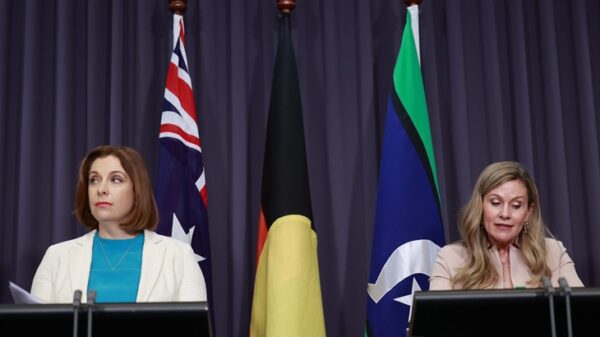

























The federal government of Australia is poised to announce significant reforms to the east coast gas market, marking one of the largest changes in recent years. This overhaul aims to address long-standing issues plaguing the gas sector, including regulatory complexities and supply shortfalls. The proposed reforms come as a result of the government’s Gas Market Review, initiated earlier this year, with the goal of ensuring a more affordable and reliable gas supply in the long term.
Gas producers have expressed concern that reserving gas for domestic use from existing export supplies may discourage future investments. According to the Australian Competition and Consumer Commission, current regulatory measures have failed to increase gas volumes or lower prices, leading to heightened risks of domestic supply shortfalls. The anticipated reforms are intended to enhance market conditions for both producers and consumers.
Key Changes and Industry Response
The government’s response is likely to include a gas reservation policy specifically for the east coast, which aims to balance domestic needs with export commitments. Prime Minister Anthony Albanese and other officials have assured trade partners, including Japan and Korea, that existing long-term export contracts will remain intact. These reassurances are crucial as Australia’s gas exports play a vital role in attracting investment for both domestic and international markets.
The Australian Energy Producers organization supports a reservation policy that is contingent upon new gas supply development. They argue that a well-structured reservation policy could provide the certainty needed for significant investments in major projects and infrastructure. Analysis indicates that as much as 140 petajoules of additional gas supply could be available annually from the east coast by 2030, which is more than three times the amount needed to prevent projected shortfalls in southern states by that year.
The Santos Narrabri Project exemplifies potential new supply sources, capable of meeting half of New South Wales’ gas needs. Unfortunately, this project has faced regulatory delays and legal challenges for over a decade, underscoring the urgent need for reform in the approval processes surrounding new gas developments.
Challenges Ahead for Gas Market Reform
While a reservation policy could provide a necessary framework, industry leaders caution that it is not a comprehensive solution. Immediate action is required to expedite the introduction of new gas supplies, which is crucial for driving down prices and ensuring market stability. Delays in project approvals and heightened regulatory scrutiny could undermine any progress made through new policies.
Recent agreements with the Greens party to exclude gas projects from streamlined environmental assessments have been criticized as missed opportunities to reduce costs and accelerate the delivery of gas to consumers. The ongoing challenges within the regulatory landscape reflect the need for a balanced approach that fosters both environmental responsibility and energy reliability.
Australia possesses abundant energy resources, which are increasingly important in the context of rising global demand and geopolitical uncertainties. By effectively managing its gas reserves, Australia can meet both domestic energy needs and maintain its status as a reliable energy partner in the region.
As the government prepares to unveil its plans, both producers and consumers are watching closely. The stakes are high, with the potential for far-reaching economic implications depending on the success or failure of these reforms. Samantha McCulloch, Chief Executive of Australian Energy Producers, emphasizes the need for collaboration among stakeholders to break the cycle of ineffective reforms and restore certainty in the gas market.