

























Numerous celebrities have been falsely linked to a nasal inhaler that allegedly reverses dementia, according to a recent investigation. The claims, circulated through social media, are entirely unfounded and lack any scientific backing. The endorsements are fabricated, and there is no evidence that any medication can reverse the onset of dementia.
False Claims and Fabricated Endorsements
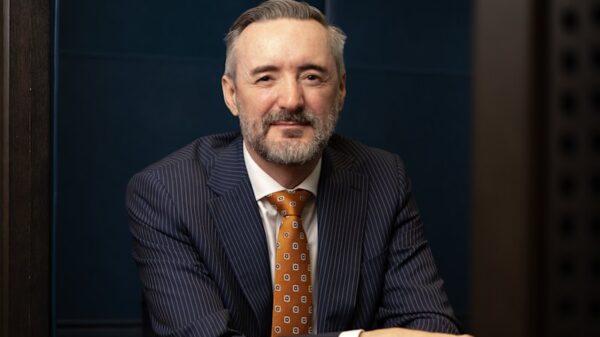
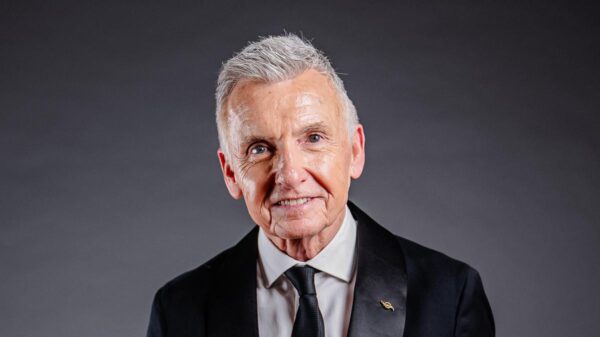
Social media ads are currently promoting a product called ReMind, claiming it to be a “new scientific breakthrough” that can “rejuvenate your brain and boost your memory by up to 94% – in just weeks.” This misleading information has gained traction particularly in Papua New Guinea. The advertisements reference a supposed developer, Dr. Henry Arthur, who is described as a “renowned UK scientist.” Yet, a reverse image search reveals that the photo used for “Dr. Arthur” is a stock image from iStock, labeled “cheerful older doctor.”
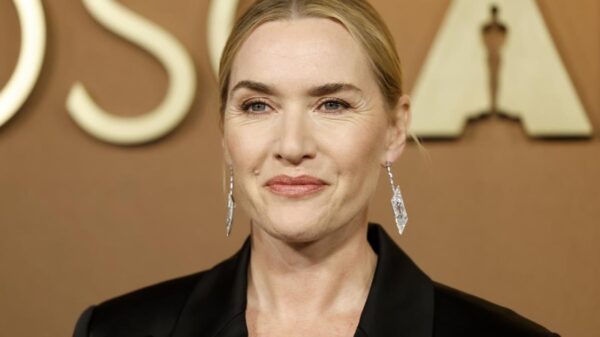
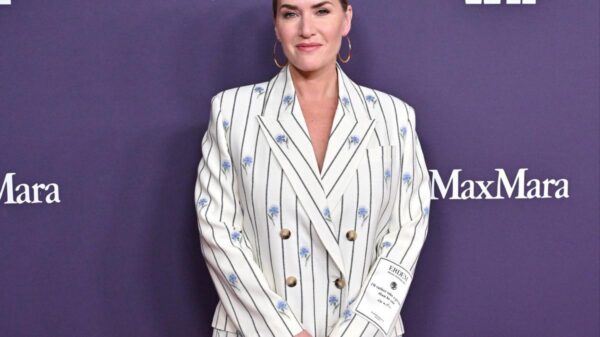
The website linked in these ads showcases testimonials from high-profile actors including Kate Winslet, Helen Mirren, and Benedict Cumberbatch. However, there is no verifiable evidence that these celebrities have endorsed the product or made any statements related to it. For example, the testimonial attributed to Winslet claims her mother suffered from Alzheimer’s disease and experienced improvements after using ReMind, despite the fact that her mother passed away from ovarian cancer in 2017.
Lack of Scientific Evidence and Regulatory Approval
Furthermore, the assertions made on the ReMind website are not supported by credible scientific research. A spokesperson from Dementia UK stated the organization does not typically comment on third-party claims but recommended consulting their website for information on approved medications for Alzheimer’s disease. Notably, the ingredients listed for ReMind, including ginkgo biloba and monk fruit extract, have not been proven effective in reversing or preventing dementia. Clinical trials, such as one published in The Lancet in 2012, found that ginkgo biloba did not reduce the progression of Alzheimer’s disease. Similarly, a study published in the Journal of American Medicine in 2009 revealed no beneficial effects from the supplement.
Currently, there are no approved medications listed for ReMind on the Australian Register of Therapeutic Goods or the UK’s Medicine & Healthcare products Regulatory Agency. The claims made in the advertisements, including the assertion that ReMind can “reverse” dementia or “prevent” Alzheimer’s, are misleading. The Alzheimer’s Society in the UK clearly states that while some medications may temporarily assist with memory, none are proven to slow down or reverse the disease.
The ongoing circulation of such fraudulent endorsements poses a significant risk to individuals seeking legitimate treatment for dementia. This incident underscores the importance of verifying information, especially when it comes to health-related claims. The AAP FactCheck team, an accredited member of the International Fact-Checking Network, emphasizes rigorous research and scrutiny in their reporting to ensure accuracy and objectivity.
In a landscape filled with misinformation, it is critical for consumers to be vigilant and consult credible sources when seeking health solutions. The reality remains that as of now, there is no miracle cure for dementia.