























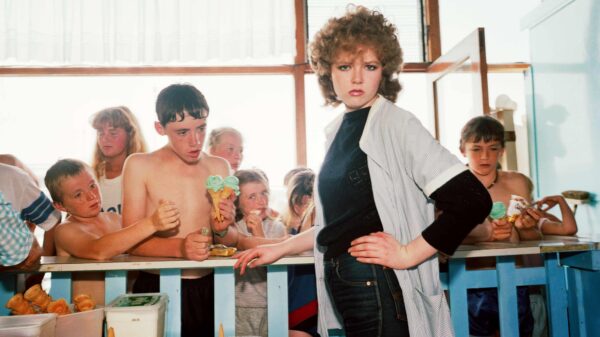




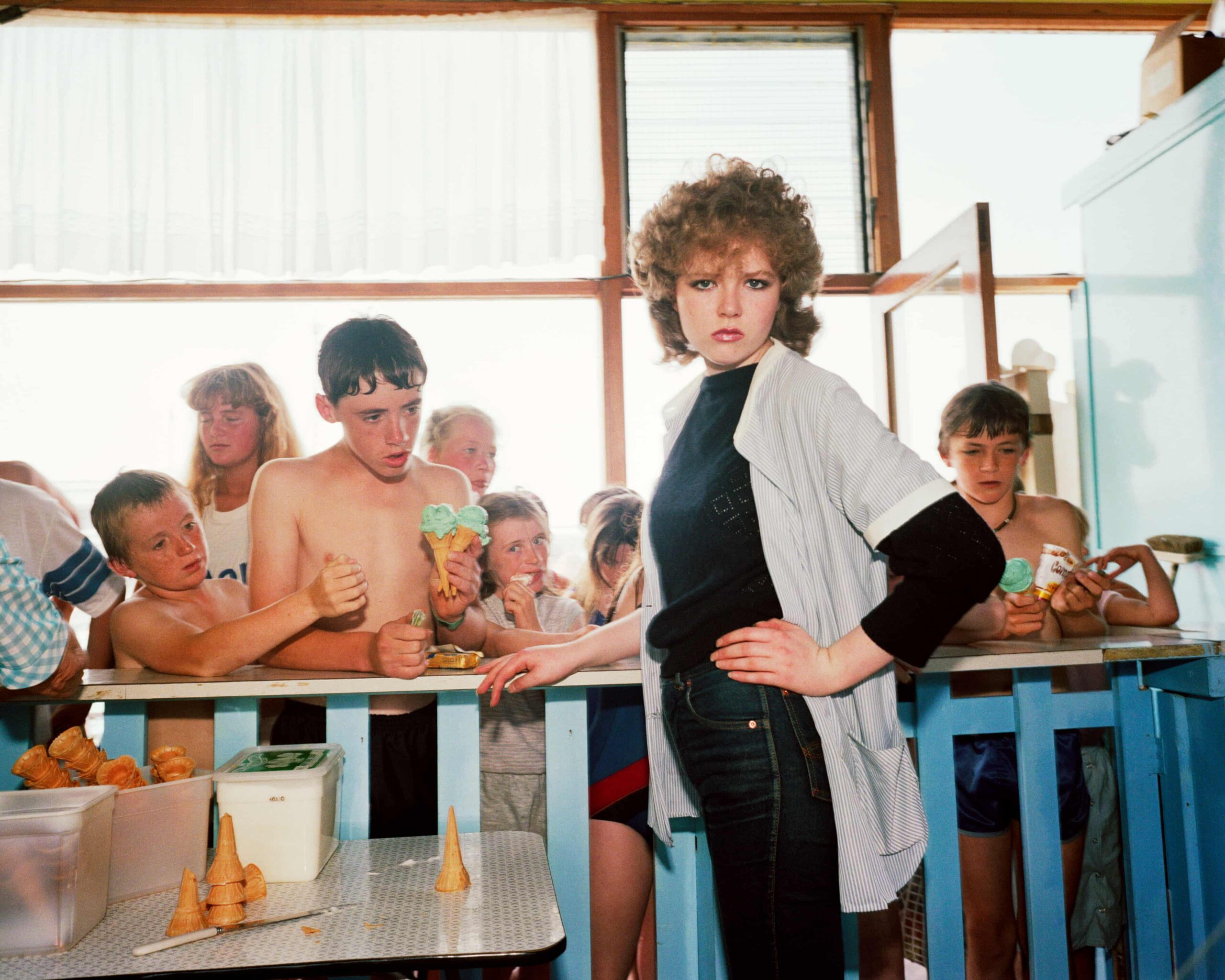
Renowned photographer Martin Parr has passed away at the age of 73, leaving behind a legacy of insightful and often humorous observations of British life. His work, which captured the essence of the English class system, ranged from sunbathers in seaside towns to the eccentricities of Conservative clubs, as well as village fetes and coffee mornings.
Parr’s distinctive style blended documentary photography with a satirical edge, offering a unique perspective on everyday life in Britain. His images not only reflected social norms but also provoked discussions about class, culture, and identity. Throughout his career, Parr’s keen eye for detail allowed him to find beauty in the ordinary, pushing the boundaries of traditional photography.
Lasting Impact on Documentary Photography
Born in 1944 in Bury, England, Parr developed an interest in photography at a young age. He studied at the Manchester Polytechnic and later became a prominent figure in the British photography scene. His work has been exhibited globally, earning him numerous accolades, including the prestigious Honorary Fellowship of the Royal Photographic Society.
Parr’s ability to capture the quirks of life was evident in his projects, such as his documentation of the Glastonbury Festival. His photographs from the event showcased a vibrant mix of personalities and cultures, encapsulating the spirit of one of Britain’s most famous music festivals.
In interviews, Parr often referred to photography as his form of therapy. He once stated, “Photography is therapy for me,” emphasizing how the act of photographing life around him provided both joy and insight. His approach to photography was never about perfection; rather, it was about embracing the imperfect and the mundane aspects of life.
A Tribute to a Unique Vision
Parr’s work is celebrated for its rich humor and warmth, showcasing the beauty found in the mundane. He often said, “There’s something very interesting about boring,” reflecting his belief that every moment, no matter how trivial, has a story to tell. This philosophy guided his lens and allowed viewers to see the world through a different perspective.
His photographs have been compiled in various books, each capturing different facets of British life. From the beaches of Brighton to the lively atmosphere of village events, his images serve as a historical record of societal changes over the years.
Parr’s passing marks the end of a significant chapter in contemporary photography. His work will continue to inspire future generations of photographers and artists, reminding us of the importance of observing and celebrating the world around us.