


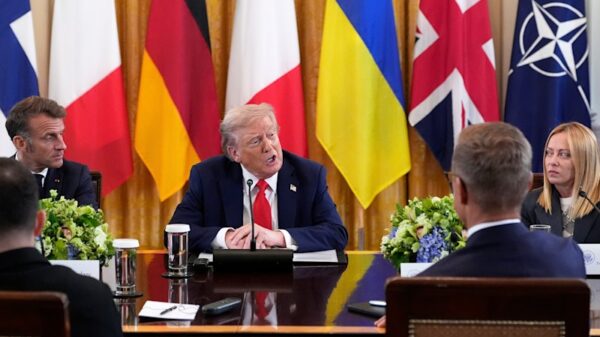



























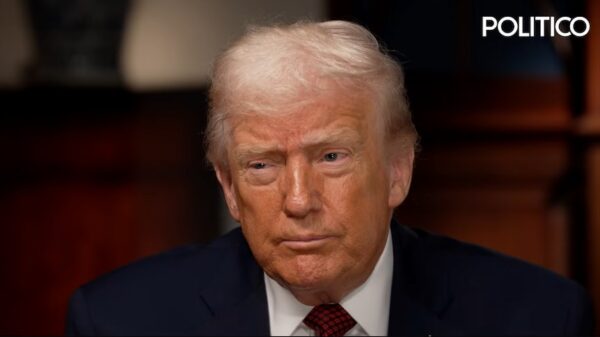




In a recent speech, Donald Trump, the former President of the United States, expressed sharp criticism of European leaders, describing them as “weak” and suggesting that EU nations are “decaying” due to immigration policies. These remarks came during a rally on October 28, 2023, where Trump emphasized his belief that the handling of immigration has resulted in significant challenges for Europe.
Trump’s comments reflect a broader narrative within his political discourse, where he frequently links immigration to national security and societal stability. He pointed to what he sees as the failures of European Union (EU) countries to manage their borders effectively, which he argues has led to increased crime and social unrest. “Europe is facing a crisis because of its inability to control immigration,” Trump stated, underscoring his view that strong leadership is needed to address these issues.
The former president’s remarks have drawn attention not only for their content but also for their timing. With upcoming elections in several EU countries, his criticisms may resonate with voters who are increasingly concerned about immigration and its implications. Trump’s statements could influence political dynamics, especially in nations where immigration is a central topic in public debate.
Critics of Trump argue that his portrayal of Europe overlooks the complexities of migration and the contributions immigrants have made to European societies. They contend that framing immigration solely as a threat fails to recognize the economic benefits and cultural enrichment that come with diverse populations.
In response to Trump’s address, various European leaders have defended their immigration policies, highlighting the importance of humanitarian responsibilities and the historical context of migration within Europe. For instance, Ursula von der Leyen, President of the European Commission, emphasized the need for a balanced approach that respects human rights while ensuring security.
Trump’s remarks are likely to fuel ongoing discussions about immigration policies on both sides of the Atlantic. As the debate continues, the impact of his criticisms may extend beyond rhetoric, potentially influencing public opinion and policy decisions within the EU.
The former president’s comments also raise questions about the future of transatlantic relations, as differing views on immigration could complicate diplomatic interactions. As Europe grapples with these issues, the responses from both political leaders and citizens will be crucial in shaping the continent’s approach to immigration in the years ahead.
While Trump remains a polarizing figure, his influence on the immigration debate underscores an ongoing challenge for European leaders as they seek to balance security, economic needs, and humanitarian obligations.