










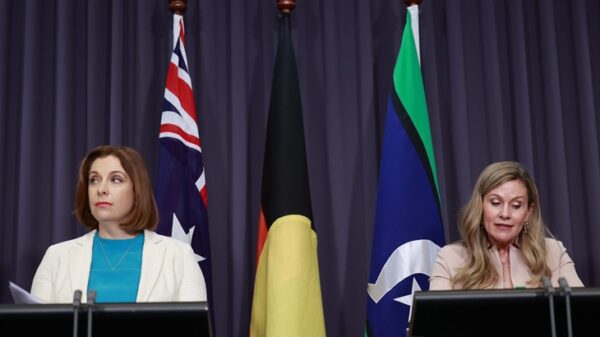























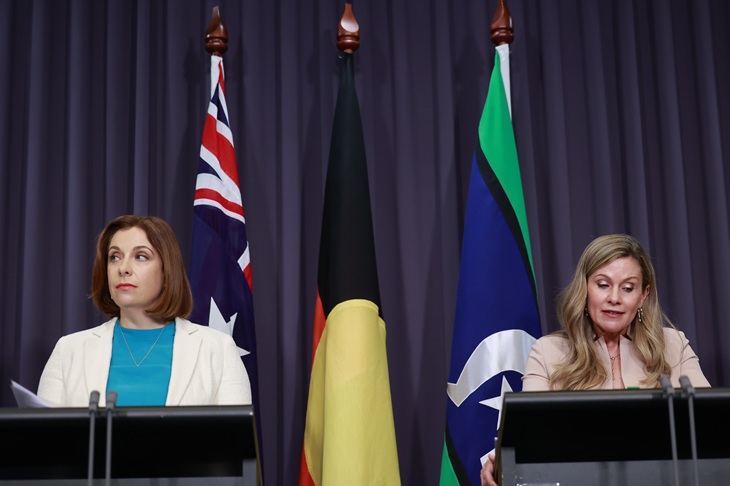
During a recent event at the National Press Club, Australia’s Communications Minister Anika Wells dismissed critical questions regarding the government’s proposed digital identity laws. These laws would prevent individuals under the age of 16 from accessing social media platforms. Many view this legislation as a part of a broader initiative to implement a national Digital ID system.
Minister Wells’ Response to Press Questions
In her address, Wells faced scrutiny from reporters concerning the implications of the social media ban. When asked whether the ban would require adult Australians to provide identification to foreign tech companies, she simply stated, “I reject the premise of the question.” This response echoes a similar tactic used by former Minister Chris Bowen, who often deflected inquiries that challenged his views on renewable energy policies.
Wells’ approach of rejecting premises has raised concerns about transparency and accountability within the government. For instance, when questioned about the inconsistency of banning one social media platform while allowing another—specifically the left-leaning platform Bluesky—her answer remained unchanged: “I reject the premise of the question.”
Critics argue that this method of communication undermines the principles of liberal democracy. As one commentator remarked, “Australia deserves better than this.” The sentiment reflects a growing frustration among citizens who feel that their concerns are not being adequately addressed by their elected officials.
Implications of Digital Identity Laws
The proposed digital identity laws have drawn attention not only for their content but also for the broader implications they may have on privacy rights and freedom of expression in Australia. The law is positioned as a means to enhance security online, but it raises questions about data sharing with international corporations, particularly in the context of platforms where Australian citizens have engaged for many years without such measures.
As discussions continue, the government’s approach to communication, particularly from senior ministers like Wells, will likely remain under scrutiny. Observers note that the ongoing debate over digital identity is indicative of larger societal shifts regarding governance and personal freedoms.
In the backdrop of these developments, the political landscape in Australia appears increasingly contentious. Many Australians are calling for more transparency and open dialogue, especially concerning policies that could significantly shape their digital lives.
As Wells navigates this complex terrain, the expectation for clearer communication remains high. The future of Australia’s digital identity system and its implications for social media access will undoubtedly continue to be a focal point of public and media discourse.