














In late 2023, South Australia initiated a campaign to ban social media for users under the age of 16, spurred by concerns over mental health. The idea emerged after the state’s Premier, Peter Malinauskas, discussed Jonathan Haidt’s book, *The Anxious Generation*, with his wife, who urged him to take action. Haidt, an American social psychologist, highlighted the detrimental effects of social media on youth mental health and proposed a ban as a solution.
The concept gained traction during a summit held in partnership with New South Wales, where notable figures, including Facebook whistleblower Frances Haugen, voiced their opinions. Despite Haugen’s criticism of the ban as a “bumper sticker solution,” the summit featured strong support for the initiative, especially from Haidt, who advocated for raising the minimum age for social media accounts to 16.
Following the summit, pressure mounted on the federal government to adopt a national ban instead of allowing states to implement differing regulations. This urgency was underscored by the approaching federal election, with then-opposition leader Peter Dutton making the ban a central policy of the Coalition. Media outlets, particularly News Corp, amplified the call for the ban through campaigns such as “Let Them Be Kids,” coinciding with Meta’s decision to cease new deals for news content.
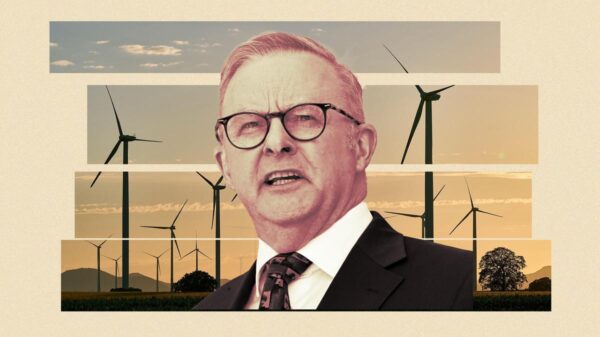
The campaign gained momentum as Anthony Albanese, the prime minister, collaborated with media personalities to promote the idea of restricting social media access for children. Albanese framed the initiative as a means to redirect youth engagement towards physical activities, such as sports.
Legislative Actions and Implementation Timeline
After the legislation was introduced, it swiftly passed through parliament, with minimal scrutiny from a reviewing committee. The law, which aims to enforce the ban by the end of 2025, places the onus of enforcement on social media platforms themselves. Michelle Rowland, then Communications Minister, stated that YouTube would be exempt from the ban for educational purposes, although this exemption lacked clear definition in the law.
A technology trial, costing $22.5 million, was initiated in collaboration with a UK firm specializing in age assurance, with findings suggesting the feasibility of the ban. The Albanese government was returned to power in the May election, securing a larger majority. This led to the appointment of Anika Wells as the new communications minister. However, discontent arose from TikTok and Meta due to YouTube’s exemption, especially given the similarities between YouTube Shorts and other platforms.
The eSafety Commissioner advised Wells that YouTube should not be excluded, citing concerns over its algorithms and the type of content promoted to teenagers. Eventually, the decision was made to include TikTok, Facebook, Instagram, YouTube, and others under the ban, with the possibility of adding more platforms later.
Public Reaction and Future Implications
As the implementation date approaches, major platforms such as TikTok, Meta, Snapchat, Reddit, Twitch, and Kick have stated their intention to comply with the ban. A legal challenge against the legislation has been filed, but the hearing has been postponed until February.
News Corp celebrated the ban, with executive chair Michael Miller condemning social media platforms as “true monsters” that negatively impact children. The Murdoch family, owners of News Corp, is expected to maintain a stake in the US version of TikTok, suggesting a complex relationship between media interests and regulatory measures.
As Australia positions itself as a pioneer in social media regulation for young users, the effects of this legislation could resonate beyond its borders, prompting similar discussions in other countries. The outcome of the impending legal challenge and the effectiveness of the ban will be critical in shaping the future landscape of social media usage among youth globally.