






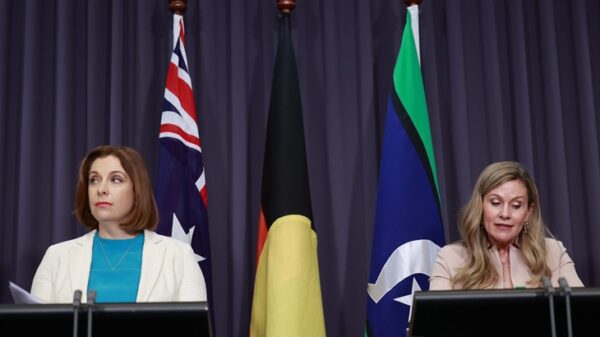













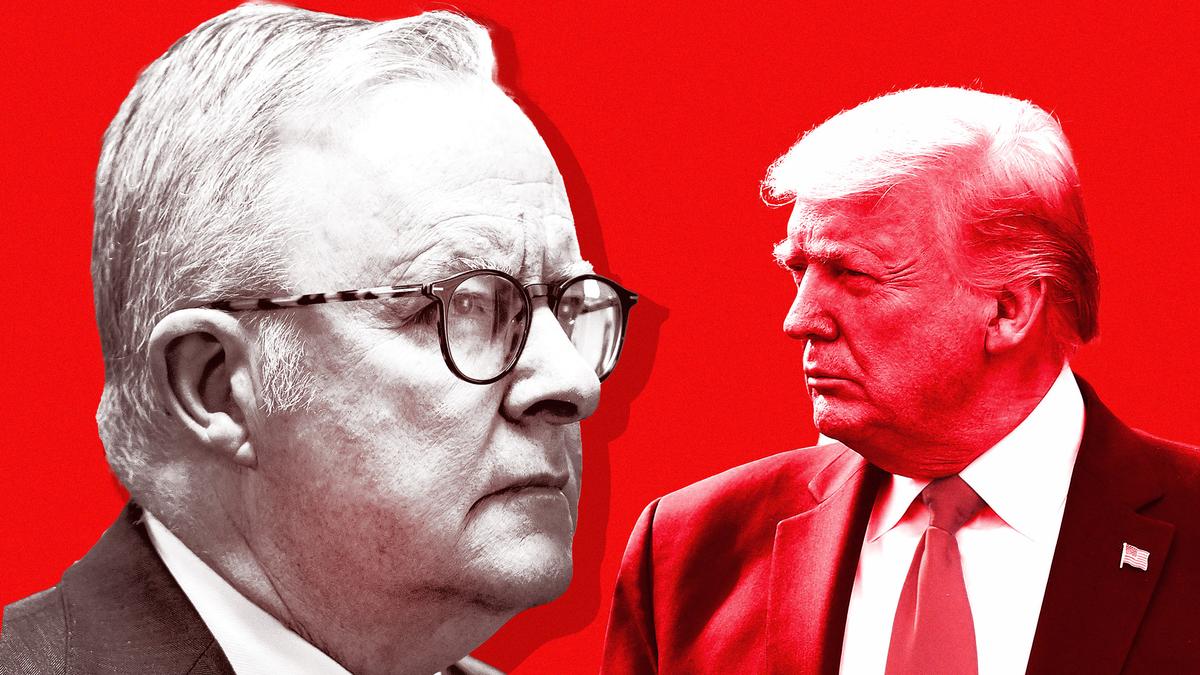
Australia’s low defence spending is set to be a focal point during discussions in Washington DC, where Australian officials will meet with their U.S. counterparts. Richard Marles, Australia’s Defence Minister, and Penny Wong, Foreign Minister, will engage with Pete Hegseth, a prominent figure in U.S. defence policy, and Senator Marco Rubio on Monday, September 25, 2023, during the annual AUSMIN talks. Following these discussions, John Healey, the UK’s Defence Secretary, will also participate in talks concerning the AUKUS security pact.
U.S. Defence Secretary Pete Hegseth is reportedly seeking to address Australia’s defence spending, an issue that has seen renewed scrutiny under the current administration. Over the weekend, he delivered a speech warning of consequences for allies that fail to meet their defence obligations, suggesting that Australia might be perceived as a “dependent” ally rather than a robust partner. His remarks reflect ongoing pressure from the U.S., particularly from the Make America Great Again (MAGA) movement, which has advocated for increased defence spending among allies.
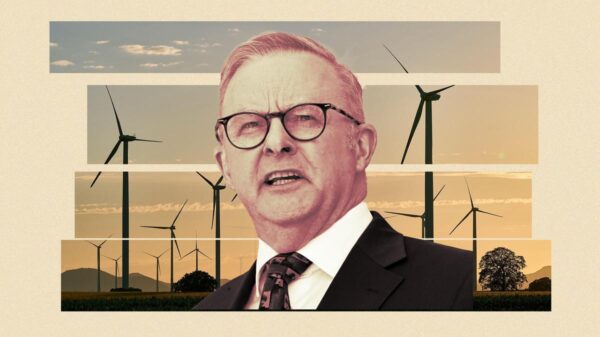
Despite recommendations from Australia’s Defence Strategic Review indicating that the country should allocate around 3% of its GDP to its military capabilities, Prime Minister Anthony Albanese has resisted calls for increased funding. Critics have pointed to the disparity between Australia’s current spending and the NATO standard of 3.5% of GDP as a concern for national security.
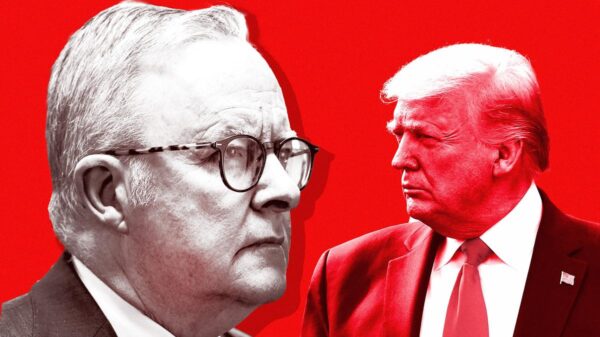
During a recent White House meeting, Albanese left with a sense of relief after receiving what some have termed a “Get Out of Jail Free card” concerning defence spending. When asked about the need for increased Australian contributions, former President Donald Trump responded, “I’d always like more… but they have to do what they have to do.” His comments acknowledged Australia’s military upgrades, yet they did not directly endorse calls for increased spending.
The White House’s recent National Security Strategy further illustrates the shifting U.S. stance towards international relations. This document underscores a focus on prioritising American interests and reducing the perception of the U.S. as a global police force. While maintaining firm rhetoric on Taiwan, the administration has indicated it does not seek to contain or dominate China. Australia was mentioned in this strategy only three times, highlighting its role in economic ties through the Quad alliance, which includes the U.S., India, and Japan, aimed at countering China’s influence.
In a recent address, Hegseth elaborated on the need for “burden-sharing” among allies, stating, “We will no longer tolerate free riding.” His comments followed the success at the NATO summit, where member countries committed to increasing defence expenditures. Notably, South Korea has recently pledged to meet the 3.5% GDP target for military spending, setting a precedent for other nations.
Hegseth stressed the importance of collective defence, stating that countries demonstrating a commitment to their own military capabilities would receive U.S. support. He specifically noted that “model allies” like Israel, South Korea, and Poland are viewed favorably, while those that do not contribute sufficiently may face repercussions.
As Hegseth remarked, “Allies that still fail to do their part will face consequences.” This statement underscores a clear expectation for Australia to reassess its defence spending strategy. The upcoming AUSMIN discussions present an opportunity for Marles and Wong to advocate for increased investment based on Australia’s own assessments of military needs, rather than solely in response to external pressure.
The outcome of these talks will be closely watched as Australia navigates its defence commitments in a rapidly changing global landscape.