

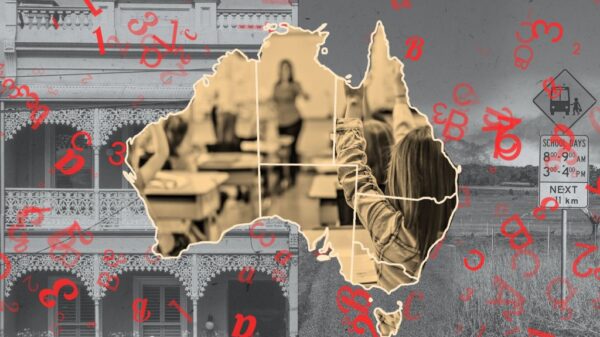































UPDATE: The results of the 2023 NAPLAN assessments have just been released, sparking intense discussion over which Australian state or territory can claim the title of the smartest. This crucial evaluation of literacy and numeracy skills, administered to students in Years 3, 5, 7, and 9, provides insights that could influence educational policies and parental choices across the nation.
The National Assessment Program for Literacy and Numeracy, commonly known as NAPLAN, subjects Australian students to a series of tests designed to measure their academic abilities. While individual school results are available, the testing authority discourages the creation of a national league table. Instead, attention has turned to the comparative performance of states and territories, with the latest data revealing stark differences in educational achievement.
Why This Matters NOW: The NAPLAN results not only reflect the academic capabilities of students but also have broader implications for educational funding and resource allocation. As parents and educators analyze the data, the findings could lead to shifts in enrollment patterns and public sentiment towards various educational systems.
The results indicate that Victoria has emerged as the top-performing state, showcasing the highest average scores in both literacy and numeracy. Following closely are New South Wales and Queensland, while several territories continue to lag behind. This ranking raises questions about educational standards and access in less-performing regions.
Officials from the Australian Curriculum, Assessment and Reporting Authority (ACARA) stress the importance of using these results constructively.
“While these assessments provide valuable insights, they should not be the sole determinants of a school’s or a state’s educational quality,”
said a representative from ACARA.
As educational stakeholders digest this information, the focus will shift to what these results mean for future educational reforms. Will states take action to improve their standings? What strategies will be implemented to support struggling areas?
What’s Next: In the coming weeks, expect a flurry of responses from educational leaders and policymakers as they react to the NAPLAN findings. Parents will likely be discussing the implications for their children’s education, and schools may adjust their curriculums in response to these results.
This urgent development in Australia’s educational landscape is sure to ignite conversations across social media platforms, as families and educators alike consider the implications for future generations. Stay tuned as we continue to follow this story and bring you the latest updates on Australia’s educational achievements.
As discussions heat up, it’s time for Australians to reflect on the future of education and what steps can be taken to ensure that all states and territories thrive academically.