






























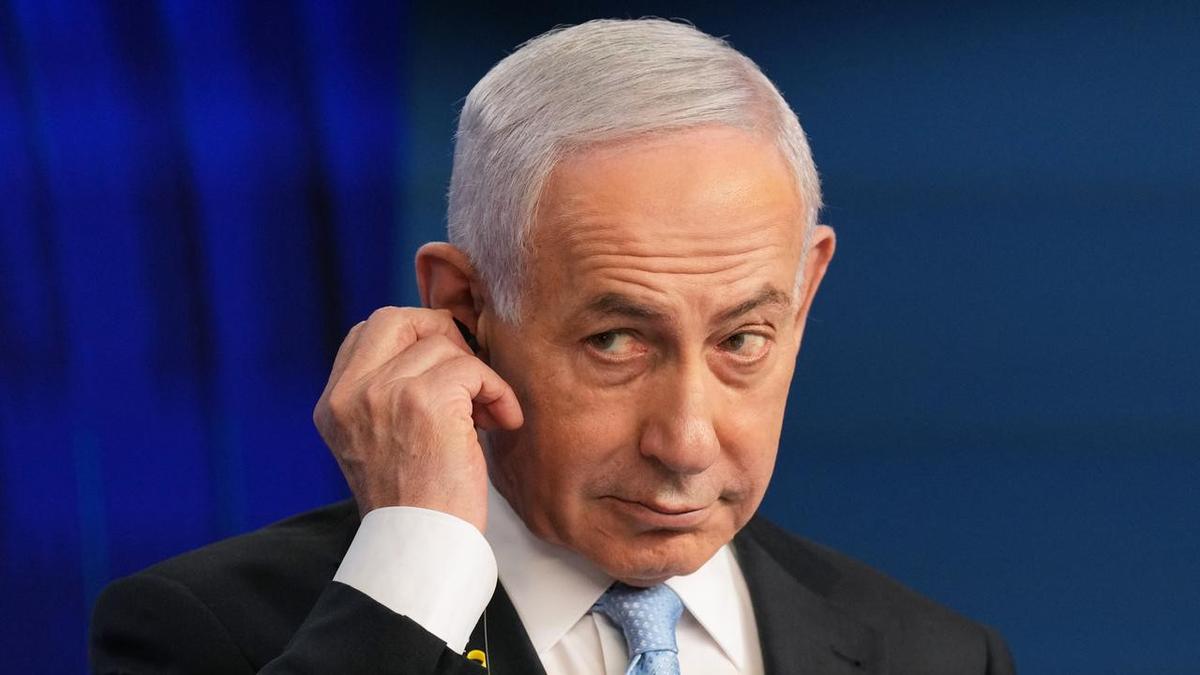
URGENT UPDATE: Israeli Prime Minister Benjamin Netanyahu has confirmed that the second phase of a crucial US plan to resolve the ongoing conflict in the Gaza Strip is nearing completion. Speaking in Jerusalem alongside German Chancellor Friedrich Merz, Netanyahu announced that he will engage in pivotal discussions with US President Donald Trump at the end of the month to address unresolved issues, including the potential deployment of an international security force.
As the ceasefire between Israel and Hamas enters its second month, Netanyahu emphasized the necessity for Hamas to adhere to its commitments, which include disarming and demilitarizing the Gaza Strip. “We’ll get him out,” Netanyahu stated regarding the last remaining hostage, an Israeli police officer killed during the October 7, 2023 attacks. The urgency surrounding this situation is palpable, as both sides have accused each other of ceasefire violations amid ongoing air strikes by Israeli forces.
Netanyahu reiterated the importance of ensuring that Hamas maintains the ceasefire, stating, “What will be the timeline? What are the forces that are coming in?” He outlined these questions as critical to the upcoming talks with Trump. Key elements of the US plan involve Israel retracting further from the Gaza Strip, establishing a transitional authority, disarming Hamas, and initiating reconstruction efforts. However, the timeline remains uncertain, causing concern among officials about the plan’s advancement.
In a notable shift, a member of Hamas’ political bureau, Bassem Naim, indicated that the group is willing to discuss options for “freezing or storing” its weapons as part of the ceasefire. “We can talk about freezing or storing or laying down,” Naim commented, emphasizing the need for a comprehensive approach to avoid further escalations. This development could drastically shift the dynamics of the conflict and pave the way for long-term peace talks.
According to Gaza’s health ministry, 373 Palestinians have been killed since the ceasefire began, alongside 3 Israeli soldiers lost to militant attacks. The ongoing violence underscores the fragility of the current situation, making the upcoming discussions even more critical.
Netanyahu also hinted at potential opportunities for broader peace, referencing efforts to enhance formal ties between Israel and Arab nations. “We believe there’s a path to advance a broader peace with the Arab states,” he declared, reinforcing Israel’s commitment to maintaining security control over the West Bank.
As these discussions approach, the world watches closely, aware that the fate of the Gaza Strip and the broader region hangs in the balance. The urgency of the situation cannot be overstated, with lives at stake and the possibility of a historical breakthrough on the horizon. Readers are encouraged to follow updates on this developing story as it unfolds.