





























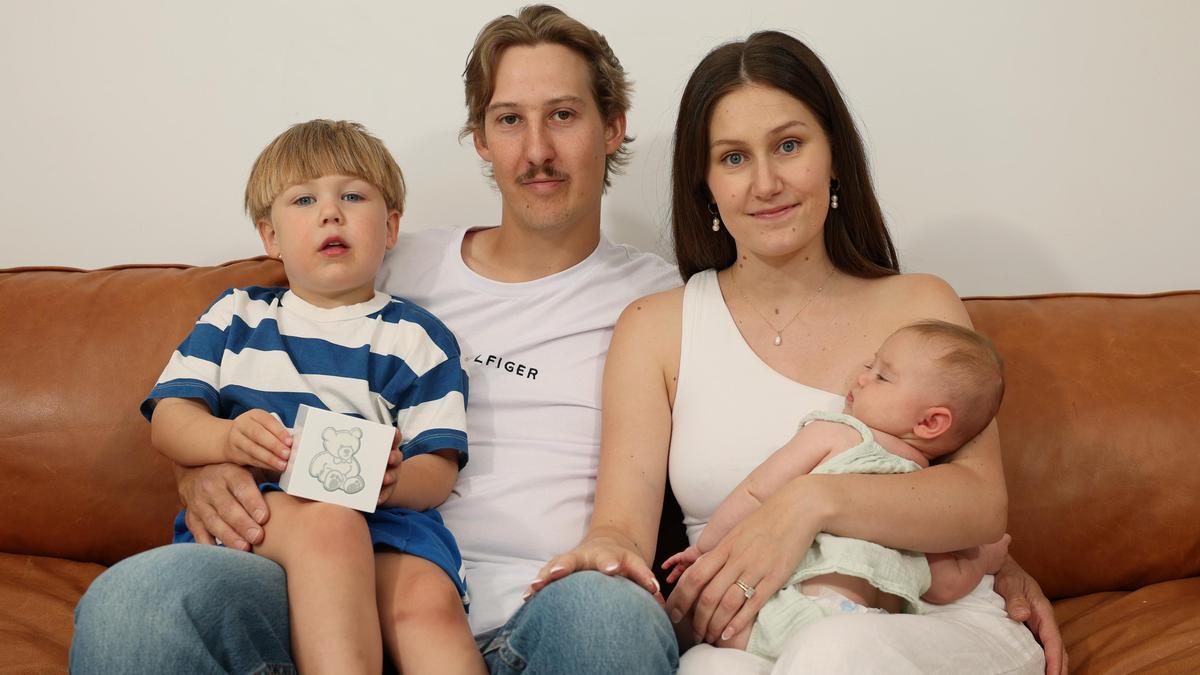
UPDATE: Families in Western Australia are facing an agonizing wait for answers following the tragic deaths of their newborns. Grieving parents like Immi Walker, who lost her son Asher shortly after birth, are demanding immediate action as the backlog in the coroner’s office continues to grow.
Just announced, there has been a staggering 30 percent increase in coronial reports taking over a year to be released, reaching a total of 1,049 for the 2024-25 period. This delay is not just a bureaucratic issue; it prolongs the grief of families who deserve answers and prevents critical recommendations from being made to avoid similar tragedies.
Families are left in a state of limbo, as delays in toxicology reports and post-mortem examinations have been cited as the main culprits. The State Coroner’s department has acknowledged these challenges, stating that an additional coroner has been appointed temporarily. However, this response has done little to alleviate the concerns of families who are still waiting for closure.
The emotional toll is immense. As Immi Walker explained, the prolonged wait not only deepens their grief but also prevents them from sharing vital information that could protect other families from similar heartache. Walker has now taken up the fight for an investigation into birthing protocols for larger babies like her son, who suffered from shoulder dystocia—a condition that could potentially be preventable.
The health system in WA is under scrutiny as the State Government continues to enjoy significant financial windfalls, including an anticipated $1 billion boost from record stamp duty receipts and a projected $2 billion benefit from rising iron ore prices. Premier Roger Cook has pledged that these additional funds will be directed towards health and housing improvements. Now, families are urging the government to translate this promise into tangible action.
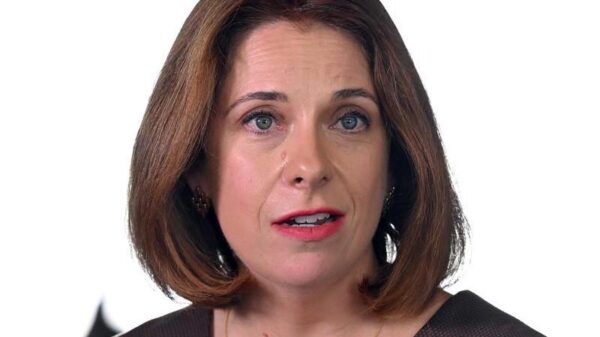
Shadow health minister Libby Mettam condemned the situation, calling it “both cruel and negligent” for the government to allow such delays in a state as prosperous as WA. While coronial reports involve complex processes, families argue there must be a more expedited route to answers to prevent future tragedies.
Despite the challenges, the Office of the State Coroner is dedicated to “speak for the dead and protect the living.” In the 2024-25 reporting year, they issued 56 recommendations for improving safety. Yet, only 2 percent of the 3,360 completed coronial cases proceeded to inquest, raising concerns about whether insufficient resources are hindering more thorough investigations and recommendations.
Asher’s death has been officially recorded as “natural causes,” a categorization that leaves many unanswered questions. The coroner’s office has stated it does not have jurisdiction to investigate stillbirths, leaving grieving parents feeling abandoned and unheard.
The emotional and physical ramifications of these delays are staggering. Families are calling for not just apologies but concrete action to ensure that no other family has to endure the same heart-wrenching wait for answers. The time for change is now, and the voices of grieving parents demand to be heard.
As the situation continues to develop, families and advocates will be watching closely for any updates from the State Government regarding significant changes to the coroner’s office and the overall health system. The urgent need for reform in WA’s health and coronial services is more pressing than ever—families deserve better, and they deserve answers NOW.