

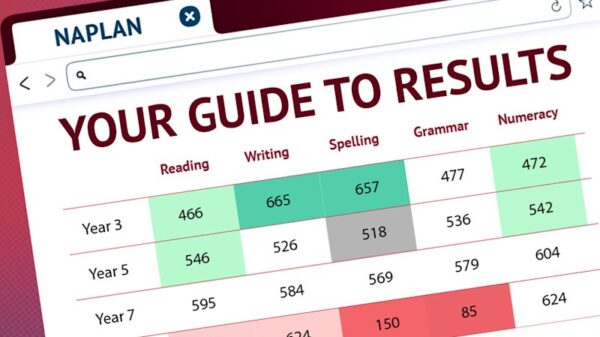




























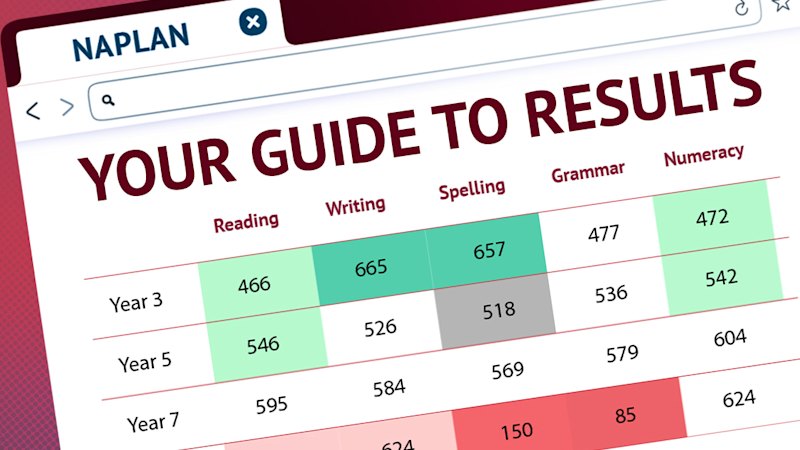
UPDATE: The highly anticipated results of the 2023 NAPLAN tests have just been released, revealing critical insights for over 1 million students across Australia. This year’s results are not just about raw scores; they provide a comprehensive view of student performance and learning growth.
The Australian Curriculum Assessment and Reporting Authority (ACARA) confirmed that the results, which were made public earlier today, go beyond simple marks to assess students’ abilities in literacy and numeracy. This nuanced approach aims to provide educators, parents, and students with a clearer picture of academic progress and areas that need improvement.
Why does this matter right now? With educational outcomes continually in the spotlight, understanding these results is crucial for parents and educators making decisions about student support and resources. The insights gleaned from NAPLAN can significantly impact educational strategies moving forward.
Parents and guardians are encouraged to delve into the results to better understand their child’s performance compared to national benchmarks. The NAPLAN tests, which cover years 3, 5, 7, and 9, are designed to evaluate student proficiency in reading, writing, spelling, grammar, and numeracy. This year, the results reveal trends that could inform teaching methods and curriculum adjustments across the nation.
The data shows that students’ performance varies widely by region and demographic, highlighting ongoing disparities in education. Schools are urged to utilize these insights to tailor their approaches and ensure every student receives the support they need to succeed.
As the education community processes this year’s results, next steps involve analyzing the data to enhance teaching practices and address identified gaps. Parents and educators alike are encouraged to participate in discussions about the implications of these results for future educational policies.
Key Takeaway: The release of the 2023 NAPLAN results is a pivotal moment for families and schools. Understanding these results is essential for fostering student growth and improving educational outcomes across Australia. Stay tuned for ongoing analysis and recommendations from educational experts as they interpret the latest findings.
This is not just a report card; it’s a call to action for everyone involved in education. Share this news and join the conversation about the future of student learning!