



































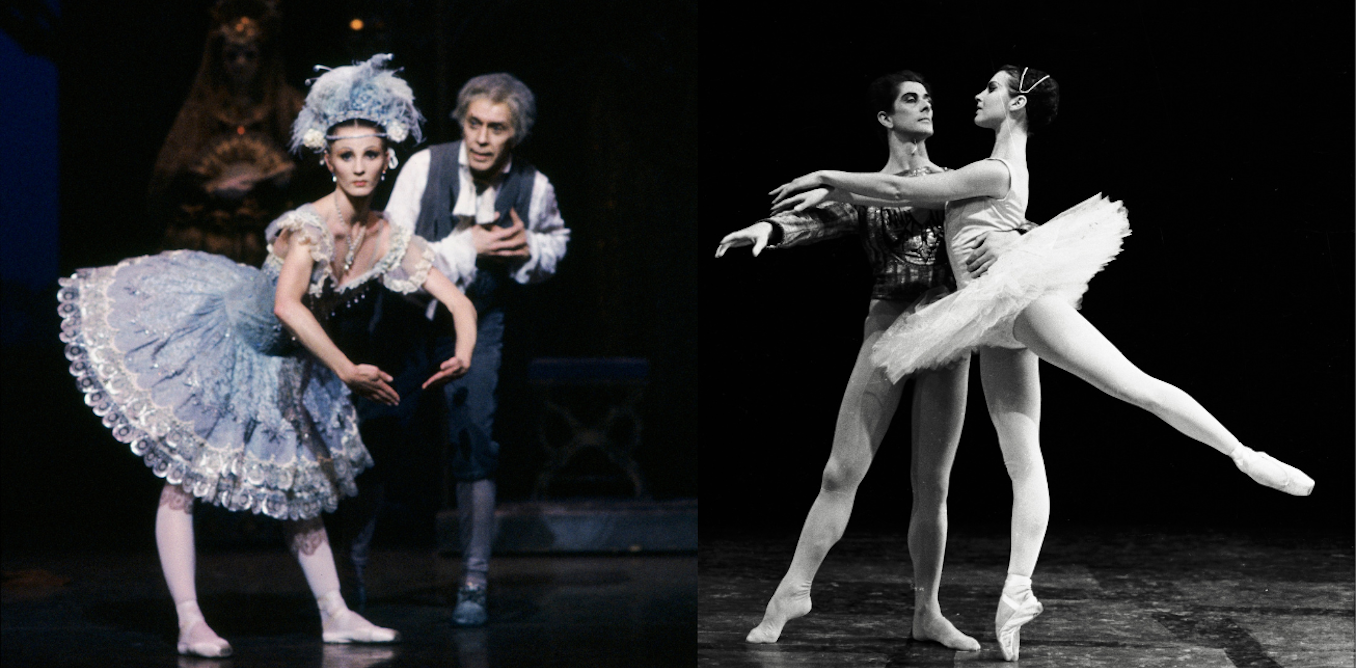
September 2023 marked a poignant moment in Australian ballet as two iconic figures, Colin Peasley and Garth Welch, passed away, leaving behind a legacy that transcends their individual careers. Their contributions have significantly shaped the landscape of ballet in Australia, reflecting the evolving attitudes towards men in dance over the decades.
Colin Peasley’s Artistic Journey
Colin Peasley, born in 1934, began his dance journey relatively late at the age of 21 in Sydney. He often expressed his sentiment that this late start hindered his development as a dancer. In a 2004 interview with dance historian Blazenka Brysha, Peasley remarked on the societal pressures that made it difficult for boys to pursue dance. His initial foray into ballet was through ballroom dancing before he transitioned to modern dance classes with renowned instructor Gertrud Bodenweiser around 1957.
Peasley became a founding member of The Australian Ballet in 1962, dedicating his life to the company in various capacities. He gained recognition for his character roles, portraying figures such as the pompous Gamache in Don Quixote and the enigmatic Dr. Coppelius in Coppelia. His commitment to character creation was profound; he believed that true character portrayal comes from internalizing the role rather than merely acting it out.
In 1975, Peasley took on the role of ballet master, where he trained dancers and passed on his extensive knowledge. He also served as an educator at The Australian Ballet School and was integral in establishing the company’s education and outreach program in 1994. This initiative has made significant strides in promoting dance among diverse groups in Australia, including workshops for rural and senior communities. Peasley’s impact extended beyond his own company, as he contributed to organizations such as Cecchetti Ballet Australia.
Garth Welch’s Impact and Influence
Born in 1936, Garth Welch trained in Brisbane and joined the Borovansky Ballet at the age of 18. Under the guidance of Edouard Borovansky, who fled to Australia during World War II, Welch quickly ascended to the role of principal dancer. He later joined The Australian Ballet, where he performed from 1962 until 1973.
Welch was celebrated for his technical skill, artistry, and commanding stage presence. His professional journey included a marriage to fellow dancer Marilyn Jones, with whom he had two sons who continued the family legacy in dance. Despite separating from Jones in the 1970s, Welch maintained a long partnership with Jak Callick.
As a choreographer, Welch’s influence extended beyond performance. His first documented work, Variations on a Theme, premiered in 1964, and he created several notable pieces, including the acclaimed Othello for The Australian Ballet School in 1968. His leadership roles with Ballet Victoria and The West Australian Ballet in the 1970s and 1980s further solidified his impact on the Australian ballet scene. Welch also found time to teach extensively, sharing his knowledge with aspiring dancers across the country.
The legacies of both Peasley and Welch illustrate the profound shifts in the perception of male dancers in Australia. In the 1930s, Peasley noted the stigma associated with men pursuing dance. Today, however, programs promoting dance for boys, such as the one at Brighton Grammar School, reflect a significant cultural shift.
Their contributions to the world of ballet—Peasley as a nurturing educator and character dancer, and Welch as a premier artist and choreographer—have left an indelible mark on the landscape of Australian dance. As the ballet community reflects on their remarkable lives, it is evident that their influence will continue to inspire future generations of dancers.
