



































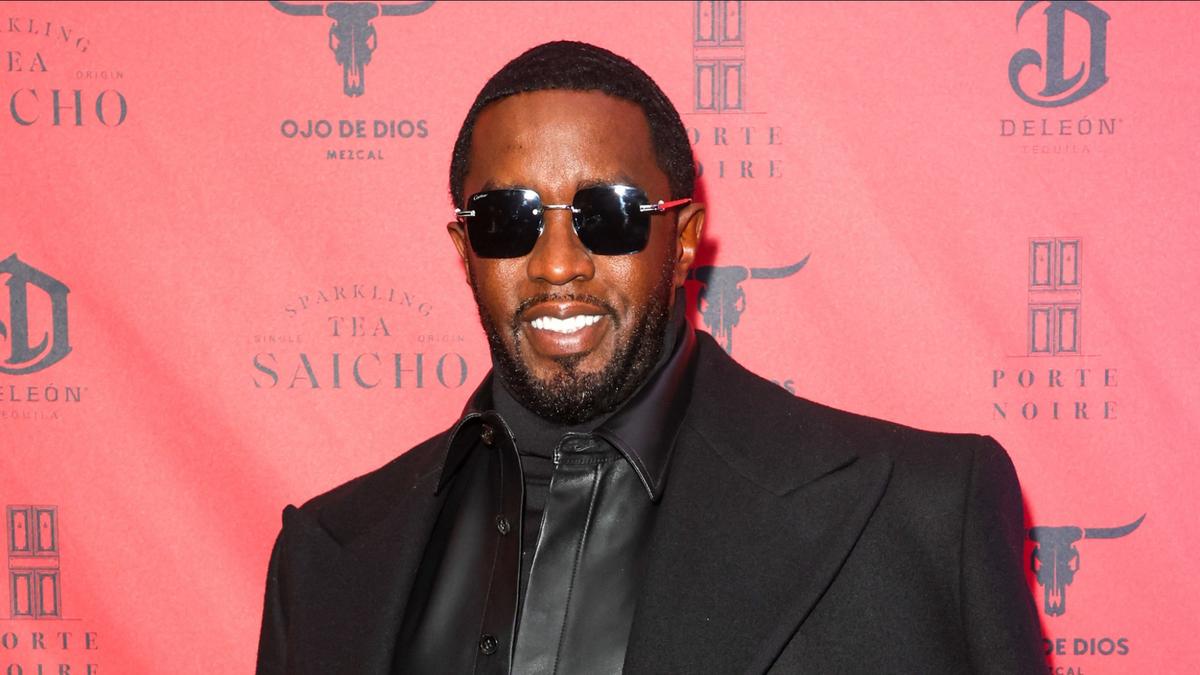
Sean ‘Diddy’ Combs has publicly condemned a new documentary about his life that premiered on Netflix, labeling it as “a shameful hit piece.” The four-part series, titled Sean Combs: The Reckoning, became available on the streaming platform on October 2, 2025. It provides a detailed look at Combs’ life and recent legal troubles, including his sentencing to 50 months in prison in October for prostitution-related charges.
The documentary features what Netflix describes as “explosive” footage, including a recorded phone conversation between Combs and his lawyers shortly before his arrest in September 2024. Combs’ representatives have denounced the use of this private footage, arguing that it was taken out of context and should not have been made public. A spokesperson for the artist stated, “If Netflix cared about truth or Mr Combs’s legal rights, it would not be ripping private footage out of context.”
The spokesperson further criticized Netflix for granting creative control of the documentary to rapper 50 Cent, who has a history of public disputes with Combs. The statement expressed that allowing someone with a “personal vendetta” to shape the narrative of Combs’ life was “an unnecessary and deeply personal affront.”
Combs’ team highlighted that the footage utilized in the documentary had not been authorized for release. “As Netflix and CEO Ted Sarandos know, Mr Combs has been amassing footage since he was 19 to tell his own story. It is fundamentally unfair, and illegal, for Netflix to misappropriate that work,” the spokesperson added.
While Netflix has not yet responded to the criticism directly, they have referenced comments from the documentary’s director, Alexandria Stapleton. She stated, “We obtained the footage legally and have the necessary rights,” emphasizing the legitimacy of their sources.
50 Cent, who serves as an executive producer on the project, defended the necessity of the documentary, suggesting that the hip-hop community must confront issues of crime and misconduct openly. In an interview with a morning television show, he remarked, “If I didn’t say anything, you would interpret it as that hip-hop is fine with his behaviours. There’s no-one else being vocal.”
The release of Sean Combs: The Reckoning seems set to stir debate within the music industry regarding the ethical implications of personal narratives in documentary filmmaking, especially when they involve contentious figures. As Combs continues to contest the portrayal of his life, this unfolding story reflects broader conversations about privacy, consent, and the responsibility of media platforms in representing public figures.
