



































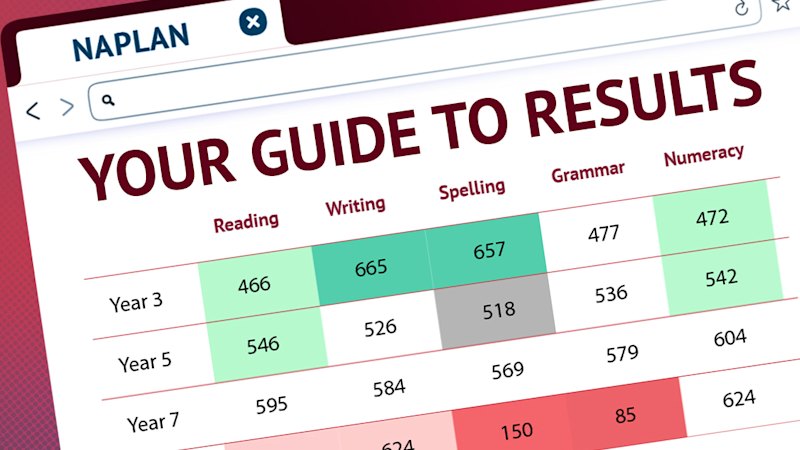
Understanding your school’s NAPLAN results is essential for grasping the academic performance of students across Australia. In 2023, more than 1 million students participated in the National Assessment Program – Literacy and Numeracy (NAPLAN). While raw scores provide a glimpse into student performance, a deeper analysis reveals the various factors that contribute to these results.
Breaking Down the NAPLAN Results
The NAPLAN results are not merely a reflection of students’ test scores; they encompass a range of data points that can inform educators, parents, and policymakers. The results include not only the percentage of students meeting the minimum standards but also insights into areas of strength and weakness.
According to the Australian Curriculum, Assessment and Reporting Authority (ACARA), the results are designed to assess literacy and numeracy skills of students in years three, five, seven, and nine. The tests cover reading, writing, language conventions, and numeracy, providing a comprehensive view of student capabilities.
Key Components of the Results
When interpreting the NAPLAN results, several key components should be considered. Each school’s performance can be compared to the national average, allowing for an understanding of how a school is performing relative to others. The results are broken down by year level and subject area, which helps identify specific strengths and weaknesses.
For instance, a school may excel in reading but show lower proficiency in numeracy. Understanding these trends can guide educators in tailoring their teaching methods and curricula to better support students’ learning needs.
Another important aspect is the socio-economic context of the schools. Schools in disadvantaged areas may face different challenges compared to those in more affluent communities. This context is vital for interpreting results fairly and accurately.
It is also essential to recognize that NAPLAN results are just one measure of student achievement. While they provide valuable insights, they do not tell the entire story of a student’s educational experience. Factors such as classroom engagement, teacher quality, and parental involvement also play significant roles in a student’s overall development.
Parents and guardians are encouraged to engage with teachers and school administrators to discuss the results and their implications. This collaboration can foster a better understanding of how to support students in their learning journeys.
As the education landscape continues to evolve, NAPLAN remains a crucial tool. Understanding the nuances of the results can empower stakeholders to make informed decisions that enhance educational outcomes for all students in Australia.
