



































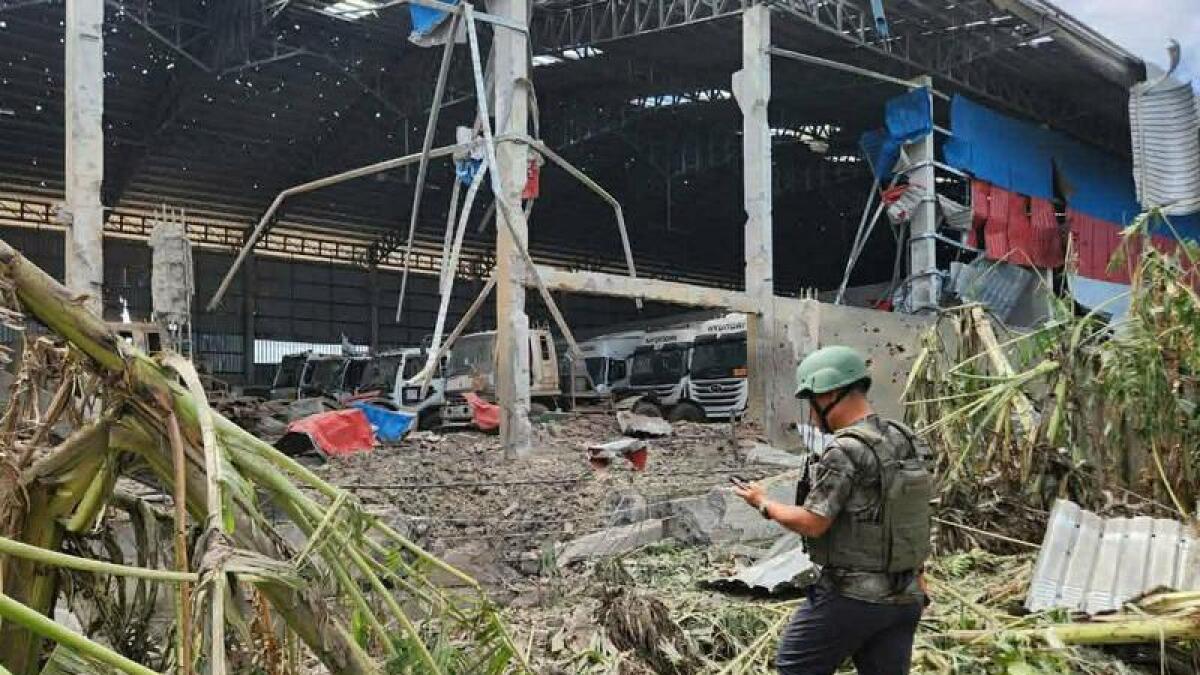
Tensions between Thailand and Cambodia have escalated, prompting the United States and China to intervene. On Friday, US Secretary of State Marco Rubio urged Thai Foreign Minister Sihasak Phuangketkeow to de-escalate the situation and return to a ceasefire agreement. This call followed a series of clashes that have intensified since December 8, disrupting regional stability.
Chinese Foreign Minister Wang Yi also engaged with officials from Thailand and Cambodia on Thursday. According to a statement from China’s foreign ministry, both countries expressed a desire to ease tensions and achieve a ceasefire. The ministry emphasized that the intensity of recent clashes has far surpassed previous incidents, warning that continued fighting would undermine the unity of the Association of Southeast Asian Nations (ASEAN).
Call for Dialogue and Peace Efforts
The Thai foreign ministry confirmed that Sihasak reaffirmed Thailand’s commitment to Rubio, sharing information regarding the way forward, which includes participating in the ASEAN meeting scheduled for Monday. The meeting in Kuala Lumpur will be the first face-to-face dialogue between the governments since hostilities resumed. Cambodian Foreign Minister Prak Sokhonn is also expected to attend, although Cambodia has yet to publicly respond to the diplomatic overtures from Washington and Beijing.
Malaysian Prime Minister Anwar Ibrahim, the current ASEAN chair who played a key role in brokering a ceasefire in July, expressed cautious optimism about the upcoming meeting. He noted that both Thailand and Cambodia are eager to find an amicable resolution to the ongoing conflict.
Ongoing Conflict and Historical Disputes
Historically, Thailand and Cambodia have disputed sections of their 800-kilometer land border, with recent accusations from each side about actions leading to the collapse of the July ceasefire agreement. The current fighting has extended from forested inland areas near Laos to coastal provinces, with reports indicating ongoing clashes as recently as Friday. Cambodian forces reportedly fired heavy weapons into Thai territory, prompting retaliatory measures from Thailand, according to a spokesperson from the Thai defense ministry.
Tensions have been high since November when Thailand suspended de-escalation measures, which included troop withdrawals and the release of Cambodian prisoners of war. This decision followed the injury of a Thai soldier by a landmine, which Thailand claims was recently laid by Cambodia. Cambodia has denied these allegations, asserting that it is merely defending itself against military actions from Thailand.
As the situation remains volatile, both nations face increasing pressure to negotiate and restore peace. The outcome of the ASEAN meeting could prove critical in determining the future of relations between Thailand and Cambodia, as well as the broader stability of the region.
