



































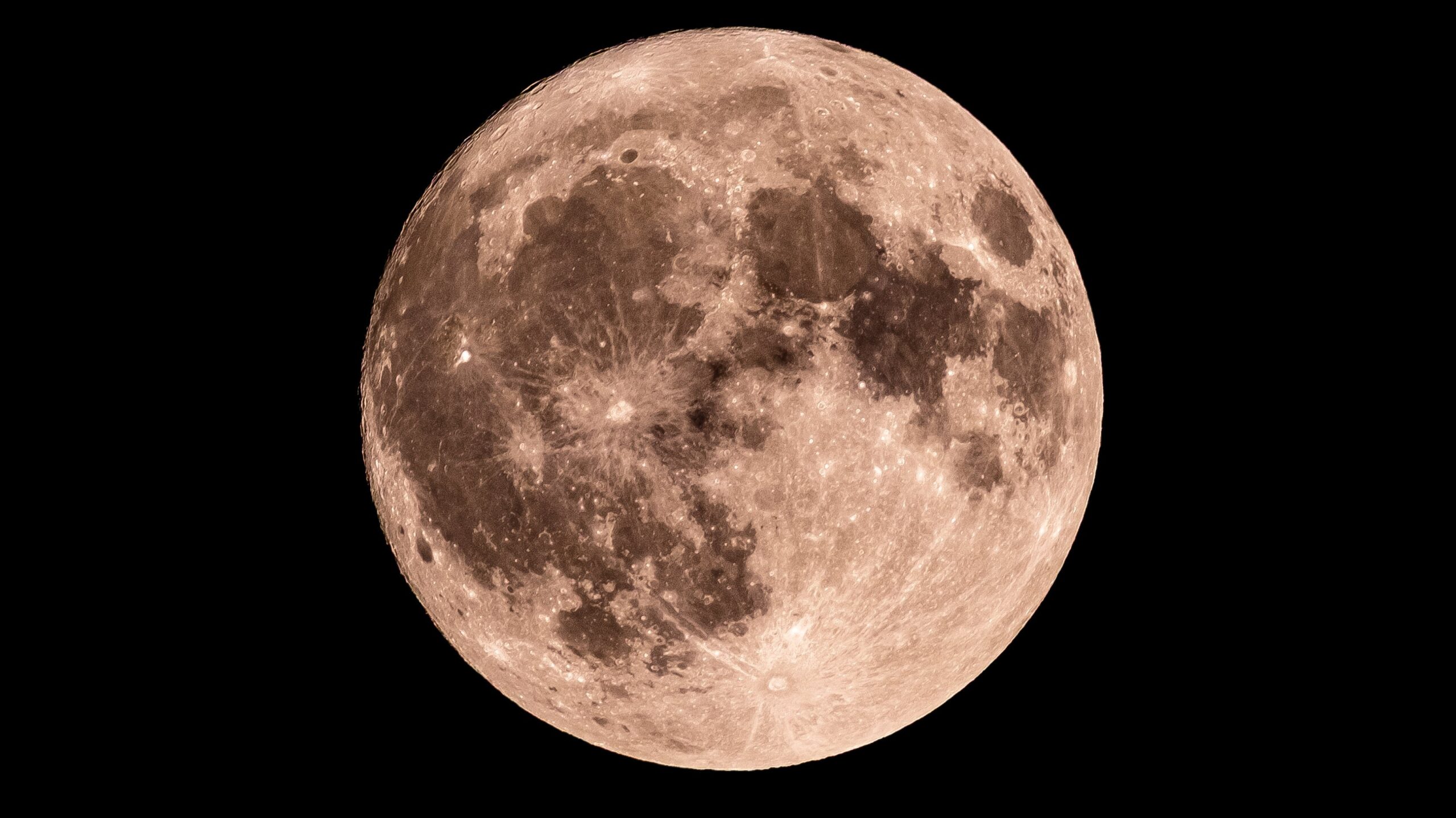
Tonight, December 20, 2023, marks the beginning of the waxing crescent phase of the Moon. In the United States, observers will find a very thin crescent, while in other parts of the world, the New Moon is officially occurring. According to NASA’s Daily Moon Observation, there will be 0% illumination of the Moon’s surface tonight, making it nearly invisible to the naked eye.
As the Moon orbits Earth, it undergoes a series of phases that reflect changes in sunlight. This cycle, known as the lunar cycle, lasts approximately 29.5 days and includes eight distinct phases. The first phase, the New Moon, occurs when the Moon is positioned between Earth and the Sun, rendering it invisible. Following this, the Moon begins to wax, or grow in visibility, transitioning through several stages.
Understanding the Lunar Phases
The waxing crescent phase features a small sliver of light appearing on the Moon’s right side, visible primarily in the Northern Hemisphere. This is succeeded by the first quarter, where half of the Moon is illuminated, creating the familiar half-moon shape. The Moon continues to wax until it reaches the full moon phase, when its entire face is illuminated.
After the full moon, the Moon begins to wane, transitioning through the waning gibbous, third quarter, and waning crescent phases. During this period, the illuminated portion of the Moon decreases until it returns to the New Moon phase.
The next full moon is anticipated on January 3, 2024, following the last full moon, which occurred on December 4, 2023. The cycle of the Moon has fascinated humanity for centuries, influencing cultures, calendars, and even tides.
For those interested in observing the Moon’s changing phases, the waxing crescent is an exciting time to look up at the night sky. Though visibility may be limited tonight, the approaching full moon promises a more spectacular view in the coming weeks. Whether you are an astronomy enthusiast or simply appreciate the beauty of the night sky, the lunar cycle offers a captivating spectacle worth watching.
