



































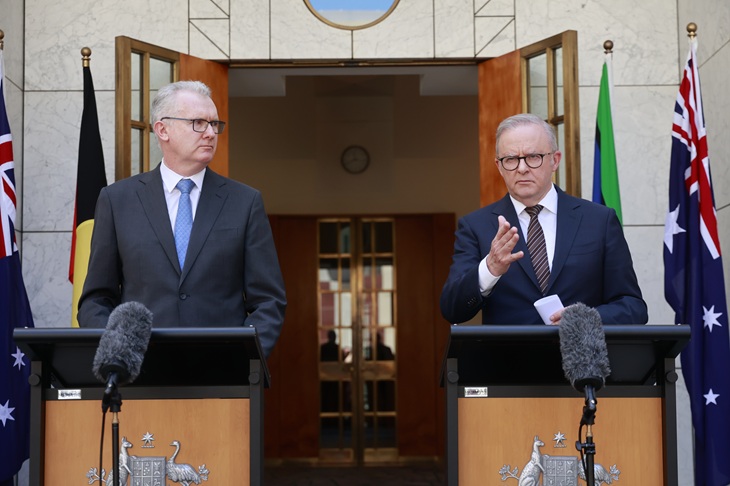
BREAKING: The aftermath of the Bondi massacre, which left 15 people dead during a Hanukkah event, has ignited a fierce political storm in Australia. The attack, widely recognized as an antisemitic act of terror, has raised urgent questions about the government’s response.
NEW REPORTS confirm that the violence, linked to Islamic fundamentalism, has sparked a heated debate over gun control and the handling of antisemitism in the country. Eyewitness accounts reveal that a courageous individual, Ahmed al-Ahmed, intervened to halt the attack, highlighting the bravery of many Muslims who stand against extremism.
Prime Minister Anthony Albanese has come under fire for his initial reaction, which focused on gun control rather than addressing the root causes of the attack. Critics, including former Treasurer Josh Frydenberg, have accused Albanese of avoiding the crucial issue of antisemitism, arguing that his government has fostered an environment where extremist sentiments can flourish.
The backlash intensified as Frydenberg condemned the Labor government’s failure to adequately address rising antisemitism, stating that it has emboldened individuals to feel justified in their actions against Jewish communities. He emphasized that the repeated calls for an intifada have shifted public perceptions, making some believe that attacking Jews is acceptable.
As the political fallout continues, Albanese’s government is taking steps to clamp down on anti-Jewish messaging. However, many experts warn that this knee-jerk reaction may lead to ineffective censorship, creating resentment rather than solving the problem. The specifics of the proposed crackdown on hate speech remain unclear, raising concerns about its effectiveness.
Moreover, the government is pushing for stricter gun laws in the wake of the tragedy. Critics argue that Australia’s existing gun regulations are already stringent and that the authorities should focus on addressing the specific failures in the system that allowed the alleged gunmen to slip through the cracks.
ANALYSIS: Observers note that Albanese’s government appears more interested in political optics than in tackling the underlying issues of Islamic extremism. The rushed measures to enhance gun control and censor hate speech may distract from the urgent need for an educational approach and a robust response to rising antisemitism.
The situation remains fluid, with ongoing discussions about how to best address these complex issues. As authorities scramble to respond, the question looms: can Albanese steer Australia away from a deeper crisis of violence and division?
WHAT’S NEXT: The government’s next steps will be critical. As they develop their approach to tackling hate speech and gun control, public scrutiny is likely to intensify. Observers will be closely watching the outcomes of these proposed measures and their impact on Australian society.
In this climate of rising tension, the urgency for effective leadership and decisive action has never been clearer. The nation awaits further developments as the government navigates this challenging landscape.
