



































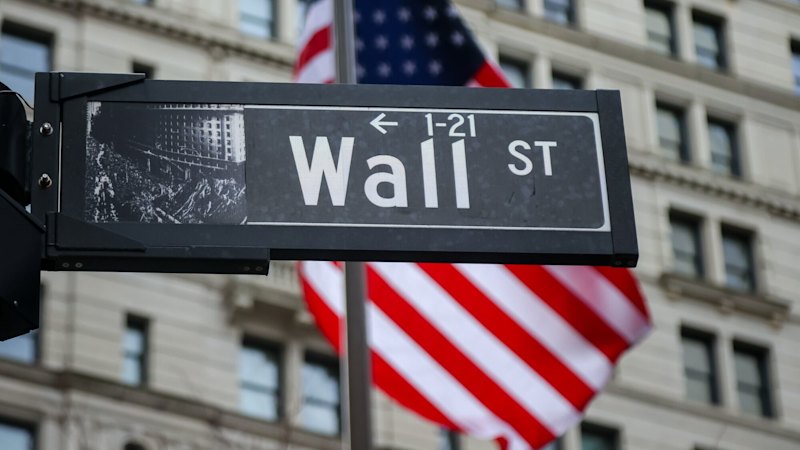
UPDATE: Wall Street equity analysts are sounding alarms as their bullish consensus for the S&P 500 Index in 2026 raises concerns among investors. Just announced data reveals a strikingly tight range of year-end targets across major firms, with forecasts clustered like never before in nearly a decade.
Leading the charge, Oppenheimer & Co predicts the S&P 500 will soar to 8,100, while Stifel Nicolaus & Co sets the lowest target at 7,000. This mere 16 percent gap between the highest and lowest forecasts is alarming to market watchers, indicating a potential contrarian signal that could lead to volatility.
Market risks are becoming increasingly apparent. Inflation still hovers above the Federal Reserve’s target, leaving hopes for monetary easing fragile. Moreover, the unemployment rate has been steadily rising, and heavy spending on artificial intelligence has yet to translate into profits. Yet, analysts remain optimistic, predicting an overall gain of about 11 percent for U.S. stocks in 2026, despite three consecutive years of double-digit returns.
“I find the unanimity and clustering of forecasts concerning,” said Steve Sosnick, chief strategist at Interactive Brokers LLC. “When everyone expects the same thing, it’s often already priced into the market. The rationales behind these predictions often rely heavily on similar assumptions like rate cuts and tax reductions.”
Thriving firms like Oppenheimer and Deutsche Bank expect the S&P 500 to eclipse the 8,000 mark by December 2026. Even the lowest targets, from Stifel and Bank of America, suggest modest gains from last Friday’s close. The prevailing optimism hinges on anticipated economic growth that will boost corporate earnings, with tax cuts and regulatory relief expected to fuel activity.
However, not everyone shares this optimistic outlook. “When S&P 500 targets cluster this tightly, it means the market is sensitive to potential disappointments,” warned Dave Mazza, CEO of Roundhill Financial. “A recession isn’t necessary to spark volatility; earnings misses or unexpected policy changes could easily disrupt the market.”
Analysts have historically released S&P 500 predictions at the end of each year, but their track record is often shaky. According to data from Piper Sandler & Co, these targets typically lag behind the index’s actual performance by about two months. “The market direction often serves as a better leading indicator than these consensus targets,” stated Michael Kantrowitz, Piper’s chief investment strategist.
Despite lingering concerns about tech concentration and AI, investor sentiment is buoyed by recent interest rate cuts and favorable tax legislation. Greg Boutle, U.S. head of equity and derivative strategy at BNP Paribas, cautioned, “The prevailing optimism could lead to significant impacts from any external shocks, given the current bullish mindset.”
As the market digests these developments, investors are urged to stay vigilant. The tight clustering of forecasts may be a signal to prepare for potential market fluctuations ahead. What happens next could shape investment strategies heading into the new year as Wall Street braces for the potential repercussions of these unusually uniform predictions.
