



































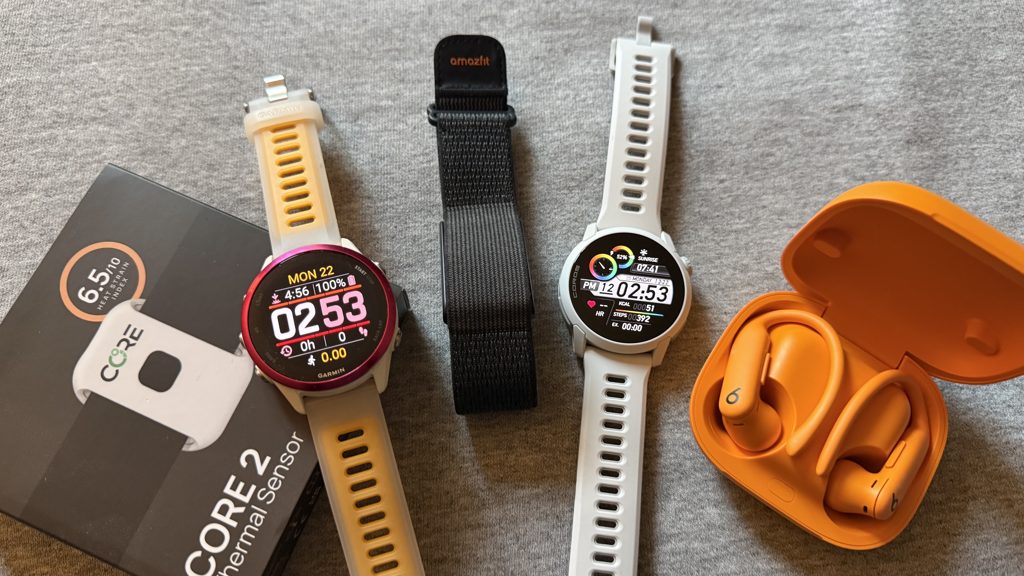
The landscape of fitness technology in 2025 has been marked by significant innovations and a few notable disappointments. This year, several companies introduced devices that aimed to rival established players like Whoop, with one in particular coming close to redefining accuracy in heart rate monitoring. Among the standout products, some excelled in addressing specific fitness challenges, while others fell short of expectations.
Best Innovations and Breakthroughs
The most impressive device of the year is undoubtedly the Garmin Forerunner 570. This running watch features the Elevate version 5 heart rate sensor, which has shown unprecedented accuracy during testing. Compared to previous models like the Forerunner 265, the 570’s heart rate readings often matched those of an electrical chest strap, considered the gold standard in fitness monitoring. The accuracy is so remarkable that it led to confusion during testing, as the data from both devices were nearly identical.
Another notable device is the Core 2 Thermal Sensor, which addresses the challenges runners face in hot climates. This innovative gadget measures skin and core body temperature, helping users determine effective heat training levels. While it requires a heart rate chest strap to function optimally, the sensor proved valuable for tracking heat adaptation during training sessions. Users have reported enhanced performance and enjoyment during summer runs, highlighting its practical benefits.
The Data Fitness Connector (DFC) also deserves attention as a cost-effective solution for Peloton enthusiasts. Priced at $125, the DFC connects to the original Peloton Bike and transmits power data to fitness watches without the need for a subscription. This device has gained traction among users looking to maintain their workout logs while avoiding ongoing membership fees.
Best Overall and Runner-Up
The Coros Pace 4 emerges as the best overall fitness watch of 2025. With improvements over its predecessor, the Pace 4 includes an AMOLED screen, enhanced battery life, and upgraded features that facilitate easier workout logging. The introduction of voice features allows users to dictate training notes and control media playback, addressing a long-standing gap in its offerings compared to competitors. Its affordability and reliability make it a top choice for fitness enthusiasts.
The Pixel Watch 4 also made headlines this year with its ultra-fast charging capability, allowing users to charge the device from 3% to 97% in just half an hour. This advancement, paired with a convenient magnetic dock-style charger, enhances user experience, although some of its other features received mixed reviews.
Emerging Alternatives and Disappointments
The competition for a viable alternative to Whoop intensified with the introduction of the Amazfit Helio Strap. Launched at a price point of $99, this device offers comparable functionality to higher-priced competitors, making it an attractive option for those seeking a budget-friendly fitness tracker. Despite lacking some software features of Whoop’s subscription service, the Helio Strap has garnered positive feedback for its reliability.
Conversely, the Powerbeats Pro 2 fell short of expectations due to issues with its heart rate sensor. While the concept of integrating a heart rate monitor into earbuds is compelling, the execution has proven inconsistent. Users with varying ear shapes reported unreliable data, making the device’s heart rate functionality less accessible. A software update aimed to improve accuracy, but many users remain dissatisfied with the overall performance, particularly given the $250 price tag.
As 2025 progresses, the evolution of fitness devices continues to inspire both innovation and skepticism. The contrasting successes and failures of these products underscore the dynamic nature of the fitness technology market, where consumers can benefit from advancements while also navigating occasional missteps.
