



































The United States economy experienced a robust growth rate of 4.3 percent in the third quarter of 2023, surpassing analyst expectations. This expansion, reported by the Department of Commerce, marks an increase from the 3.8 percent growth rate recorded in the previous quarter. The data, which reflects the economy’s total output of goods and services from July 1 to September 30, 2023, was released following a delay caused by a government shutdown.
Analysts surveyed by the data firm FactSet had anticipated a growth rate of only 3 percent for this period. The strong performance was driven by increases in consumer spending, exports, and government expenditures. Notably, consumer spending, which constitutes approximately 70 percent of US economic activity, rose to a 3.5 percent annual pace, up from 2.5 percent in the second quarter.
Inflation Challenges Persist Amid Growth
Despite the growth, inflation continues to pose challenges for economic stability. The Federal Reserve’s preferred measure of inflation, the personal consumption expenditures index (PCE), increased to a 2.8 percent annual rate last quarter, up from 2.1 percent in the preceding quarter. When excluding volatile food and energy prices, the core PCE inflation rate climbed to 2.9 percent, rising from 2.6 percent in April to June.
The report also highlighted that a category measuring the economy’s underlying strength grew at a 3 percent annual rate, a slight increase from 2.9 percent in the previous quarter. This category accounts for consumer spending and private investment, while excluding more volatile factors such as exports, inventories, and government spending.
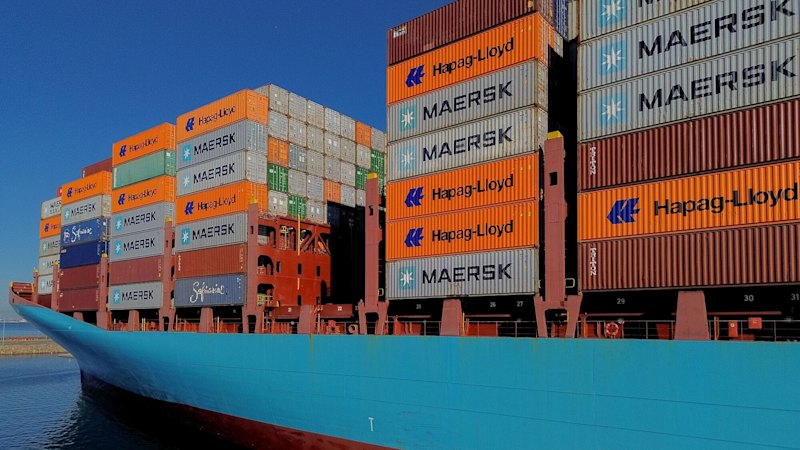
Exports surged at an impressive 8.8 percent rate, while imports, which subtract from GDP, decreased by 4.7 percent. This growth in exports reflects a strong global demand for US goods and services, even as the economy navigates higher borrowing rates imposed by the Federal Reserve over the past two years.
Employment Market Shows Mixed Signals
The overall economic expansion comes amid a mixed employment landscape. Last week, the government reported that the US economy added 64,000 jobs in November 2023, following a loss of 105,000 jobs in October. The unemployment rate rose to 4.6 percent, the highest level since 2021, indicating potential challenges in the labor market.
Economists describe the current state of the labor market as one characterized by “low hire, low fire,” suggesting that businesses are hesitant to make significant staffing changes. This caution is attributed to ongoing uncertainties surrounding tariffs and the lingering effects of elevated interest rates. Since March, job creation has dwindled to an average of 35,000 jobs per month, down from 71,000 in the year ending March 2023.
Federal Reserve Chair Jerome Powell has expressed concerns about the labor market’s momentum, indicating that further revisions to employment figures may be forthcoming. The central bank’s recent decisions to cut interest rates three consecutive times late in the year primarily stem from worries about the job market’s instability.
Overall, while the third quarter’s economic growth is encouraging, the persistence of inflation and mixed employment signals may influence future monetary policy and economic outlooks. As the Federal Reserve continues to monitor these dynamics, the path forward for the US economy remains complex and multifaceted.
