



































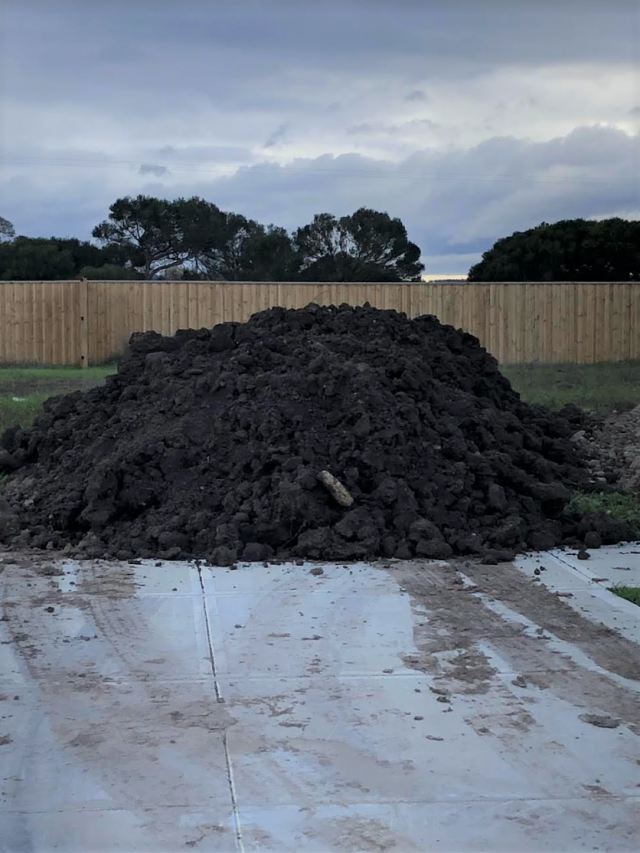
UPDATE: The EPA has issued an urgent warning to Victorians regarding the dangers of accepting free soil. This comes after officials fined a Mornington contractor $4,070 and a Tuerong contractor $2,035 for illegally dumping contaminated soil, including asbestos, at properties in Tyabb and Tuerong.
These contractors misled the public by advertising the soil as ‘clean fill’ but are now required to have it properly sampled and disposed of. The EPA is emphasizing that contaminated soil can only be disposed of at licensed landfills, raising serious concerns for anyone accepting soil without proper verification.
Why This Matters NOW: The implications of accepting contaminated soil can lead to significant financial burdens for property owners. “If you accept soil that has not been independently tested, you risk being held responsible if it turns out to be contaminated,” warned EPA executive director of operations Rachel Gualano. Contaminated soil poses risks not only to human health but also to plants, animals, and groundwater.
In a shocking reminder, Gualano cautioned that contaminated soil could include heavy metals, hydrocarbons, industrial chemicals, and other harmful waste. “Your property might be a cheap option for a dodgy operator, leaving you with the real costs for clean-up if the dodgy dumper disappears,” she stated.
Critical Steps for Property Owners: The EPA advises landowners to take immediate action before accepting any soil. Here are essential guidelines to follow:
1. **Investigate the Source:** Understand where the soil is coming from. Soil from industrial sites carries a higher contamination risk.
2. **Request Laboratory Proof:** Always ask for documentation that certifies the soil is clean. If there are any doubts, it’s best to avoid accepting it altogether.
3. **Contractual Obligations:** Have a signed contract with the supplier detailing the volumes and quality of the soil being delivered.
4. **Maintain Documentation:** Keep records of where different soil came from, and visually inspect each load for contamination.
5. **Reject Suspicious Loads:** Be vigilant; refuse soil that appears contaminated or has any unusual odors.
Transporters also have significant responsibilities. Under the EPA regulations, sites without proper permissions can only accept fill material that is free of waste. Transporters must ensure they are complying with regulations and are responsible for ensuring that the soil they transport is not contaminated.
Legal Consequences: Both companies and individuals involved in transporting waste can face legal action if they fail to categorize waste appropriately or deposit it in unlawful locations. The contractors fined have the right to appeal these infringement notices, but the message remains clear: the risks of accepting free soil are high, and due diligence is essential.
As this situation develops, property owners and transporters must stay informed and proactive to avoid costly repercussions. The EPA’s reminder serves as a critical call to action for everyone involved in the handling of soil and waste.
