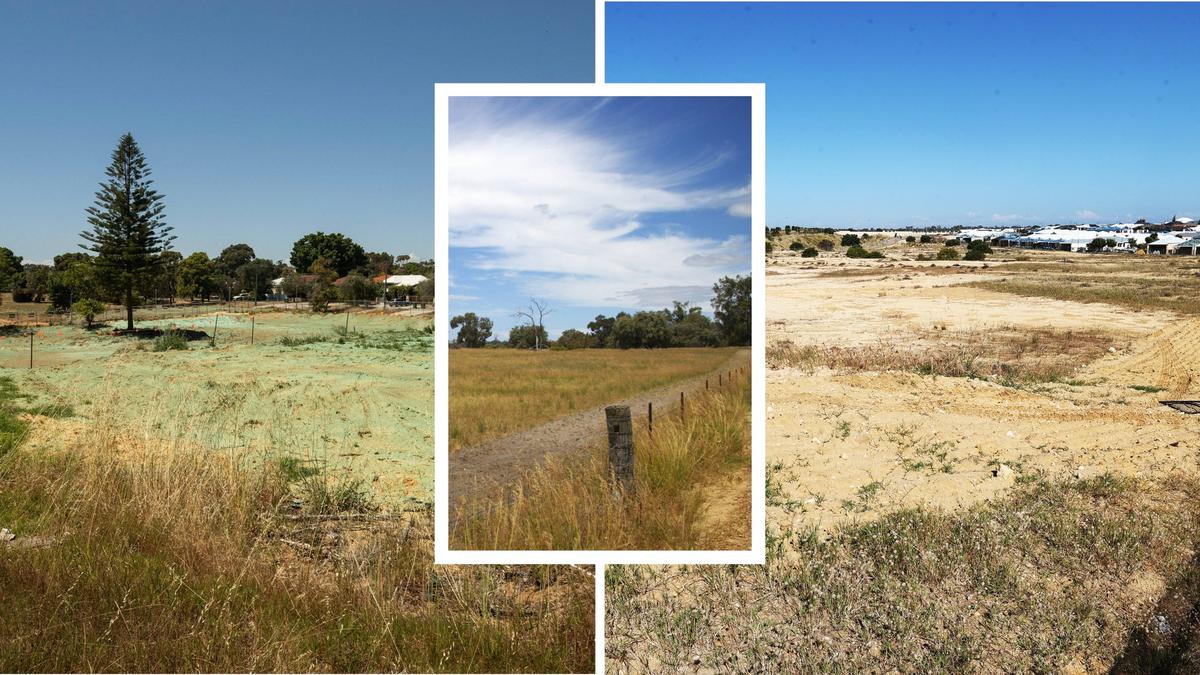
More than 1,300 housing lots in Western Australia remain undeveloped over a decade after government plans were announced. The Cook Government has faced criticism for the slow progress in providing affordable and social housing in the region, particularly in areas like Fremantle and Beaconsfield. These delays have raised concerns regarding the stability of the real estate market, which continues to put pressure on home buyers.
The majority of the new properties are part of the Davis Park redevelopment project, which was first initiated in 2015 under the Barnett Government. The planning aimed to replace existing social housing across a 10-hectare block with a new residential estate that could potentially accommodate up to 1,870 people. Although the City of Fremantle began community consultation in 2019 and received final approval in 2020, development has only recently commenced, with civil works beginning in August 2023.
The slow progress has significant economic implications. The average house price in Beaconsfield has increased by 80 percent over the past five years, soaring from $712,500 in November 2020 to $1.28 million as of October 2023. Renters are also feeling the impact, with weekly rental prices nearly doubling from $485 to $800 during the same period.
Government Accountability and Future Plans
Delays have not been limited to the Beaconsfield project. The Tuart Brook housing development, expected to deliver 300 residential lots in Usher, south of Bunbury, has also faced setbacks. Initially placed on the market in 2017, the site has remained idle, and the Cook Government recently relisted it for sale, seeking offers by November 27, 2023.
In the northern suburbs of Perth, another project aimed at providing up to 200 social and affordable homes for retirees has not progressed for more than seven years. The Haven Ridgewood estate, designated for development on a 6.8-hectare site, was expected to include a medical centre and retail space. Housing Minister John Carey indicated that the estate would deliver 17 social homes by early 2026, but no timeline has been provided for the remaining properties.
The Midland area is also experiencing setbacks, with plans for a five-storey apartment tower remaining undeveloped after more than eight years. The project is now set to begin construction next year, but it will deliver 23 fewer properties than initially planned.
The Real Estate Institute of WA has voiced concerns regarding the government’s pace in increasing housing supply. President Suzanne Brown stated, “Housing prices in Greater Perth were up by 25 percent last year and are continuing to rise in 2025.” She emphasized the need for policies that expedite the introduction of new homes to the market and support first-time buyers.
Challenges and Criticism
Housing Minister John Carey attributed some delays to “feasibility challenges” stemming from the three-year COVID pandemic. He acknowledged that substantial changes were required for many projects. Despite these challenges, the government aims to deliver an additional 35,000 homes by taking control of planning processes in precincts near train stations, including areas such as Cottesloe and Morley.
Shadow housing minister David Bolt criticized the Cook Government for failing to ensure a steady supply of trained construction workers. He argued that inadequate resourcing of agencies like Western Power has led to delays of up to 12 months for connecting new homes to electricity. “This Government is stuck in announcement mode and now, having ignored all the signs for nearly nine years, they are playing catch up to address the severe housing crisis affecting thousands of West Australians,” he said.
Bolt suggested increasing the production of modular and prefabricated homes as a solution, which could be delivered more quickly and affordably than traditional builds. He called for streamlined approvals, faster land servicing, and shorter utility connection times, emphasizing the need for a construction workforce that matches demand.
As the Cook Government faces mounting pressure to address the housing crisis, the stalled development of over 1,300 housing lots remains a critical issue in the region’s housing landscape.