



































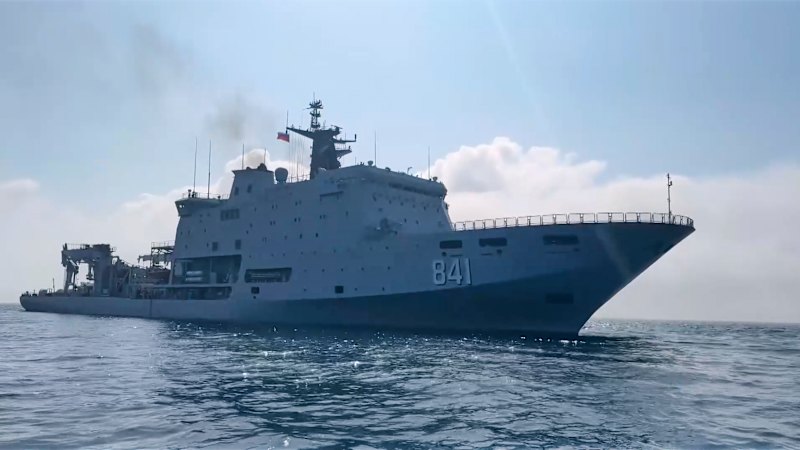
Beijing has announced plans to conduct live-fire military drills near Taiwan as a direct response to the United States’ recent approval of a substantial arms sale package to the self-governing island. The deal, valued at up to $16.4 billion, was finalized earlier this month and has heightened tensions in the already sensitive region.
The Chinese government expressed strong condemnation of the US decision, viewing it as a violation of its sovereignty and a provocation. In a statement released by the Ministry of Foreign Affairs, officials emphasized their commitment to defending national interests, asserting that such military support to Taiwan undermines peace and stability in the Taiwan Strait.
Details of the Live-Fire Drills
The upcoming live-fire drills are scheduled to take place in waters surrounding Taiwan, a strategic area that has become increasingly militarized in recent years. The exercises will focus on enhancing combat readiness and testing various military capabilities, according to reports from the Chinese military.
These drills are part of a broader military strategy aimed at deterring any potential moves towards Taiwanese independence. The Chinese leadership views Taiwan as a breakaway province, despite its self-governing status and separate political system. The live-fire drills signal Beijing’s readiness to project military power and respond to what it perceives as external interference in its affairs.
US-Taiwan Relations in Focus
The US arms deal includes advanced weaponry, such as missile systems and fighter jets, intended to bolster Taiwan’s defense capabilities. This move has been framed by Washington as part of its commitment to support Taiwan against potential aggression from China. In the wake of the arms sale, US officials have reiterated their stance on maintaining peace and stability in the region.
The approval of the arms package follows a series of high-profile diplomatic engagements between US and Taiwanese officials. These interactions have further strained relations between Beijing and Washington, as China views them as endorsements of Taiwan’s sovereignty.
Experts indicate that the situation is likely to escalate unless both sides engage in diplomatic discussions. The international community is closely monitoring developments, as any miscalculation could have significant consequences for regional security.
In summary, Beijing’s decision to conduct live-fire drills near Taiwan serves as a clear warning in response to the US arms deal. The situation remains fluid, with potential implications for both military and diplomatic relations in East Asia.
