



































The University of Sydney is shifting its approach to medical education by focusing on training doctors specifically for rural and regional areas. This change aims to address the significant healthcare disparities between urban and remote communities in Australia.
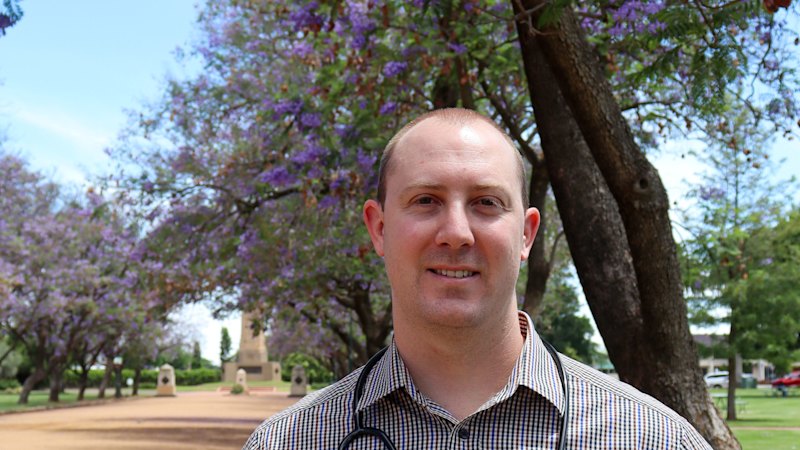
Liam Morrissey, a recent graduate from the University of Sydney’s regional medical school in Dubbo, was inspired to pursue medicine due to his family’s experiences with rural healthcare. Morrissey, who has a sister with a significant disability, recalls long drives from their home for necessary medical appointments in metropolitan cities such as Brisbane and Sydney.
After initially missing out on a direct path into medical training in 2009, Morrissey studied exercise physiology before returning to his dream of becoming a doctor. Now at 34, he is one of 24 graduates who have completed a four-year doctorate of medicine entirely in Dubbo. The regional medical school, established in 2001, transitioned to this new model in 2022, allowing students to complete their entire training in a rural setting.
Addressing Healthcare Disparities
According to federal government data, there are only 73 full-time equivalent GPs for every 100,000 people in very remote areas, compared to 114.6 per 100,000 in metropolitan areas. This stark contrast highlights the ongoing challenge of ensuring adequate healthcare access in rural communities.
Paul Lunney, head of the Clinical School for the School of Rural Health in Dubbo and Orange, notes that graduates from this program are more likely to return to work in rural health settings. “There’s a strong desire to practise medicine in regional, rural and remote areas,” Lunney stated. “Returning service to their communities is at the forefront of their minds.”
Josie Cross, another graduate from the Dubbo program, echoes this sentiment. Hailing from Grafton, she is passionate about providing medical services to underresourced communities. The National Rural Health Alliance reports that the expenditure gap for healthcare between urban and rural Australians was $1,090.47 per person per year in 2025, a gap that continues to widen.
Cross encourages prospective students to consider the Dubbo Stream, stating, “You build your own family while you’re there, and the community is very welcoming. You get to experience so many different things. It is definitely worth it.”
A New Era for Medical Students
The University of Sydney allows applicants for its Doctor of Medicine program to choose between the Camperdown and Dubbo Streams, selecting students based on their GAMSAT results, undergraduate GPAs, personal statements, and interviews. Priority recruitment is given to Indigenous and regional applicants, ensuring a diverse cohort that reflects the communities they aim to serve.
Morrissey will begin an internship at Dubbo Base Hospital in 2026, joining over half of his cohort who plan to continue working in regional health. This commitment signifies a critical step toward building a robust rural health workforce equipped to address the pressing healthcare needs of these communities.
As healthcare access remains a pressing issue in Australia, the University of Sydney’s innovative approach to medical training could pave the way for a new generation of doctors dedicated to serving rural populations. This initiative not only enhances educational opportunities for students from regional backgrounds but also aims to strengthen healthcare delivery in areas that have long been underserved.
