



































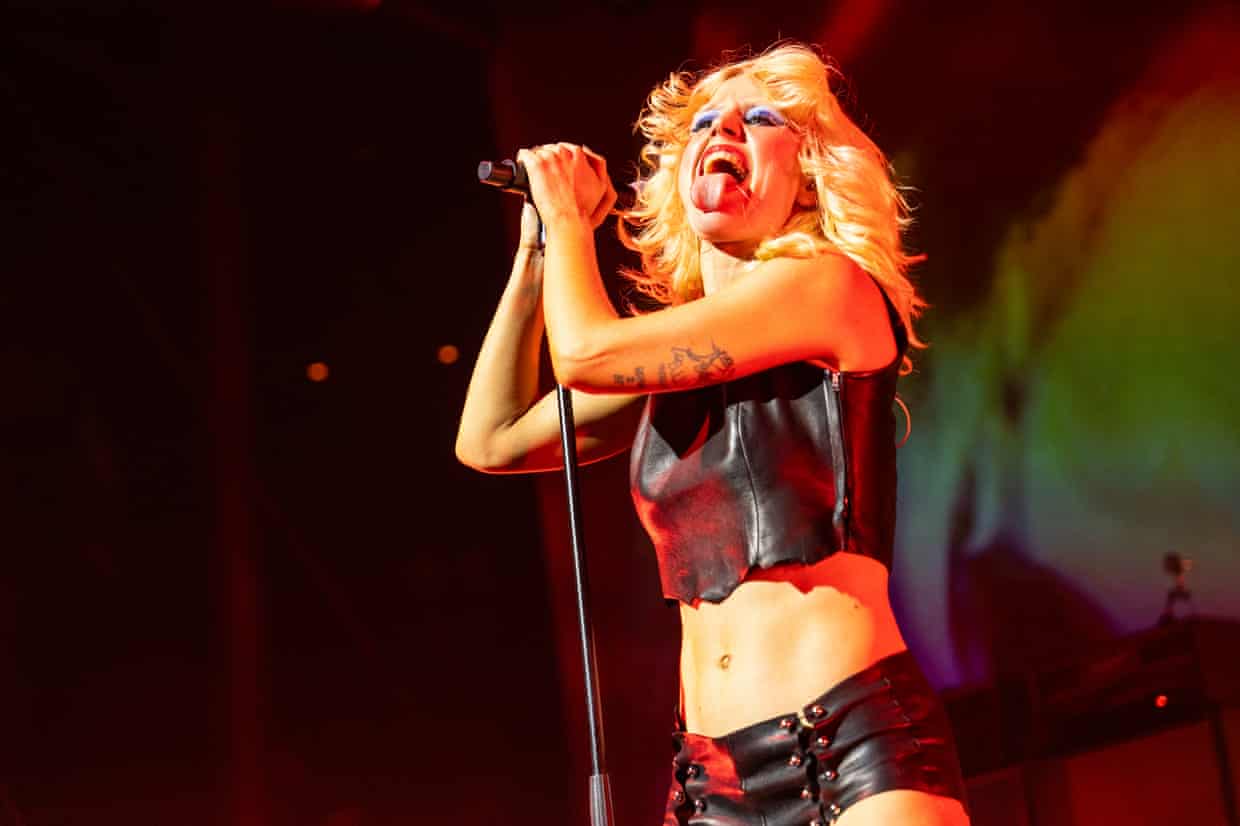
The lead singer of the Australian band Amyl and the Sniffers, Amy Louise Taylor, has initiated legal action against photographer Jamie Nelson in a California district court. Taylor accuses Nelson of “exploitation of her image” following a photoshoot for Vogue Portugal, alleging that Nelson sold the images as “fine art prints” without her consent.
The controversy began in July 2024, when the band’s manager, Simone Ubaldi, contacted Nelson to arrange a photoshoot for the group’s upcoming album. The agreement fell apart in August after Taylor and Ubaldi informed Nelson that they did not want their name, image, or likeness used for promotional purposes related to her photography business. The complaint asserts that the band was “zealously protective” of their image and had made their stance clear.
Photoshoot Agreement and Subsequent Actions
Despite the earlier breakdown in negotiations, Nelson reached out to Taylor in March 2025 with a request for a photoshoot. This time, she stated that the resulting images would be published exclusively in the July 2025 issue of Vogue Portugal. Taylor agreed, but court documents indicate that she did not authorize any commercial use beyond that specific publication.
The photoshoot took place in May, and the images were featured in the magazine as planned. However, the situation escalated on September 4, 2024, when Nelson sent a presentation of selected images to Taylor and Ubaldi, indicating her intention to sell them as “fine art prints.” Ubaldi promptly informed Nelson that Taylor objected to this use and reiterated that the only permitted use was for the magazine.
Following this communication, Ubaldi made it clear in a September 15 email that Taylor was not interested in licensing the images for commercial sale. “We are not interested in a buyout of these images,” Ubaldi stated, emphasizing that Taylor would have refused the shoot had she known about Nelson’s plans to sell the photographs. “If you had any notion or desire to sell pictures… you should have disclosed this beforehand,” Ubaldi added.
Legal Claims and Implications
Despite these warnings, Taylor discovered on September 20 that Nelson was marketing the images on her website as “fine art prints” and using them to promote her business. The complaint further alleges that Nelson expanded her exploitation by offering a specially designed “zine” featuring both published and unpublished images from the Vogue Portugal shoot.
According to the court documents, Taylor claims that Nelson’s actions were not only unauthorized but also retaliatory, occurring after Taylor had demanded that Nelson cease her unlawful use of Taylor’s likeness for commercial purposes. The complaint highlights that Nelson’s social media accounts continue to display Taylor’s images without proper authorization.
Fans recognize Taylor for her distinctive style that blends a rebellious spirit with a classic Australian “pub rock” aesthetic. The lawsuit claims that Nelson’s use of Taylor’s image is likely to cause confusion regarding Taylor’s endorsement of Nelson’s commercial activities, potentially harming Taylor’s reputation and brand.
The legal action underscores the complexities surrounding image rights in the entertainment industry. Taylor seeks damages for lost profits and harm to her reputation, as well as a cessation of further unauthorized use of her likeness. As the case unfolds, the implications for both parties could set a precedent regarding the protection of artist images in commercial contexts.
At present, Nelson has not publicly responded to the allegations. The outcome of this lawsuit could have significant repercussions for the way artists manage and protect their public images in the age of social media and commercial exploitation.
