



































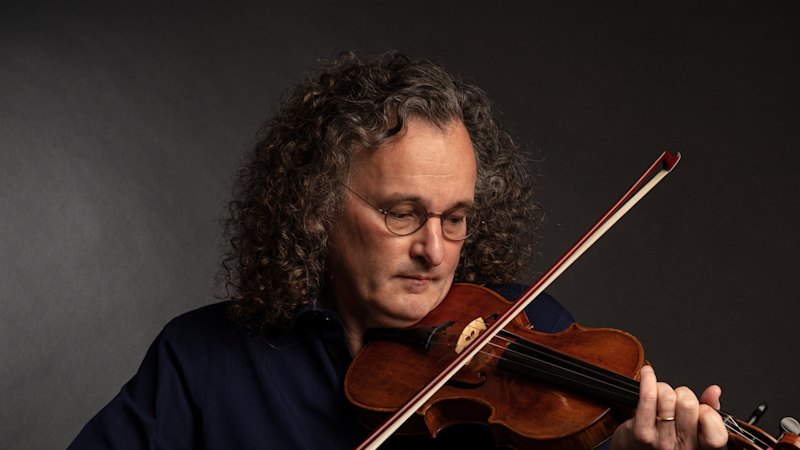
Irish folk music remains a vibrant force, surprising many with its enduring appeal and adaptability. In the town of Kilkenny, live traditional music fills pubs on Monday nights, a time when most places are quiet. Out of a dozen establishments visited, only two were devoid of live performances. Locals prefer the experience of music, camaraderie, and a pint over staying home in front of screens.
Renowned fiddler Martin Hayes, from County Clare, echoes this sentiment, noting that such a lively atmosphere is the norm in his village as well. While he acknowledges that traditional music fosters a strong community among musicians, he is less certain about its impact on the broader society. Hayes observes that the distinct regional styles of Irish music are becoming increasingly homogenized due to greater access and exposure to various musical influences.
According to Hayes, the evolution of tradition is essential. He points out that earlier regional styles often reflected a degree of isolation. Prominent musicians would inspire others, shaping local practices. “Instead of trying to emulate or salvage these things in some artificial way, I’ve always felt there is a unique opportunity for the individual to find creative possibilities,” he states. This approach allows musicians to embrace a wide array of influences, leading to new expressions of the art.
Hayes emphasizes that tradition should not be viewed as static. “If you look at it carefully, you’ll see enormous development, change and evolution even in the recorded history of the music through the 20th century,” he explains. This adaptability is crucial for the music’s relevance in a shifting cultural landscape. He believes that the tradition must respond to contemporary influences while retaining its core essence.
Even after decades of playing, Hayes finds new interpretations in tunes he has known for years. “It could reveal itself to me in a new way at any moment,” he reflects. He also notes that contemporary composers are actively contributing to the genre. “There’s no shortage of possibility,” he adds, highlighting the continuous evolution of Irish music.
Hayes’ musical education began at home, learning from those around him rather than through recordings or books. “I could see the body language of the musician and where there’s freedom and where there’s struggle,” he recalls. His distinctive tone evokes a deep sense of longing, which he has always sought to express through music.
“In my youth, I felt that kind of wistfulness was the definition of music,” he shares. “It felt glorious on some level as well.” Over time, he has embraced joy in his performances, aiming to create a balance of emotions, including simplicity and energy.
Following the death of his long-time collaborator, guitarist Dennis Cahill, in 2022, Hayes has explored new musical partnerships. He is set to perform with guitarist Kyle Sanna, who brings a different style to their collaboration. “He’ll be using a hollow-body jazz guitar, an amp and some pedals,” Hayes points out. “He is a real improviser, in the jazz sense.”
Fans can catch Hayes performing at the Melbourne Recital Centre on February 24, 2024, at Chatswood Concourse in Sydney on February 25, 2024, and at the Brisbane Powerhouse on February 27, 2024. His commitment to keeping the tradition alive while allowing it to evolve ensures that Irish folk music continues to surprise and engage audiences around the world.
