



































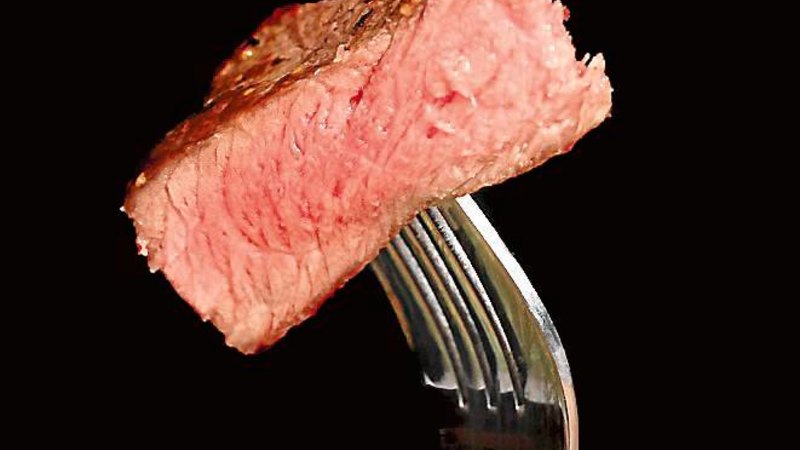
In a significant shift from previous dietary recommendations, the Trump administration announced new dietary guidelines on March 15, 2024. These guidelines advocate for increased consumption of red meat, dairy, and fats, marking a departure from the longstanding emphasis on reducing saturated fat intake.
New Dietary Recommendations Unveiled
During a briefing in Washington, Robert F. Kennedy Jr., the newly appointed Health Secretary, presented these guidelines as a means to improve public health and combat chronic diseases. “My message is clear: Eat real food,” Kennedy stated, underscoring the importance of prioritizing protein sources while discouraging processed sugars and foods.
The revised guidelines suggest that Americans should consume more protein, specifically recommending between 1.2 to 1.6 grams of protein per kilogram of body weight per day. This is significantly higher than the previous recommendations of 0.8 grams, raising concerns among health experts about the lack of solid evidence to support such an increase. Many nutritionists emphasize that higher protein intake is generally beneficial for those engaged in weight loss or strength training, but not necessarily for the general population.
Controversial Recommendations and Industry Ties
The new guidelines have been met with mixed reactions from health organizations. The American Medical Association has endorsed the recommendations, while the American Heart Association expressed concern that they could encourage the consumption of excessive saturated fat and sodium. The guidelines emphasize avoiding added sugars, particularly in children, advising that they should not consume added sugars until the age of ten.
Interestingly, the guidelines have been crafted by a new group of experts selected by Kennedy, who have been criticized for ties to the beef, dairy, and pork industries. Despite Kennedy’s claims of distancing from the influence of food industries, five out of ten experts disclosed recent financial relationships with these sectors.
Additionally, these guidelines do not explicitly recommend increasing plant-based protein sources, despite research indicating that such a shift may lower the risk of cardiovascular diseases and premature death. Instead, they focus on traditional animal sources for protein, which has raised eyebrows among nutritionists advocating for a more balanced approach.
While the guidelines advocate for limiting highly processed foods, they also suggest people can season their meals with salt, creating a contradiction with the recommendation to avoid processed items high in sodium. The guidelines do not use the term “ultra-processed foods” but do recommend steering clear of high-sugar and high-sodium snacks like chips and cookies.
As the official dietary guidance from the Health and Agriculture departments, these new recommendations will shape meals in schools, hospitals, and various federal programs across the United States. Updated every five years, these guidelines have rarely seen such a dramatic overhaul.
In summary, the new dietary guidelines reflect a significant departure from established nutritional advice, promoting a higher intake of red meat and fats while emphasizing protein. As the public digests these changes, health experts continue to debate the potential impacts on overall health outcomes.
