



































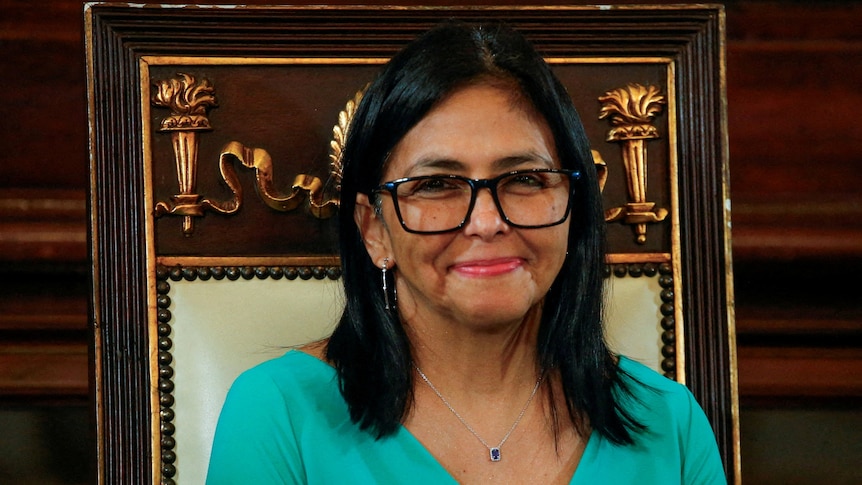
Venezuela’s political landscape is heavily influenced by the United States, particularly under the administration of President Donald Trump. The country finds itself at a crossroads, with the future of its governance and the well-being of its citizens largely depending on how effectively Delcy Rodríguez, a prominent figure in the regime loyal to ousted leader Nicolás Maduro, navigates the demands from Washington alongside the expectations of hard-liners within her coalition.
The situation in Venezuela has escalated in recent years, marked by a severe economic crisis and a humanitarian emergency. The U.S. government has taken a firm stance against the Maduro regime, implementing sanctions and diplomatic efforts aimed at fostering a transition to democracy. In this high-stakes environment, Rodríguez emerges as a key player, tasked with balancing the pressures from both the U.S. and her own political allies.
Rodríguez’s Role in the Venezuelan Power Dynamics
Delcy Rodríguez, who serves as the Vice President of Venezuela, is also a prominent member of the ruling United Socialist Party. Her ability to maintain a delicate balance is crucial as she faces challenges from within her ranks, particularly from hard-line factions that resist any form of concession to the United States. Rodríguez’s position requires her to engage with U.S. officials while simultaneously addressing the interests of a regime that has shown little willingness to compromise.
In recent discussions, U.S. officials have indicated a willingness to consider easing sanctions if the Maduro government demonstrates genuine commitment to democratic reforms. This creates a complex dynamic for Rodríguez, who must convince both the U.S. and her coalition that dialogue is beneficial. The consequences of her actions could have far-reaching implications for the Venezuelan populace, which has endured significant hardship due to the ongoing crisis.
Rodríguez’s diplomatic engagements are not merely political maneuvers; they hold the potential to impact millions of Venezuelans struggling with poverty, food shortages, and inadequate healthcare. The future of international aid and economic support hinges on the effectiveness of her negotiations.
Impact of U.S. Policy on Venezuela
The Trump administration’s approach towards Venezuela has been characterized by a clear objective: the removal of Nicolás Maduro from power. However, this strategy has often led to unintended consequences, exacerbating the dire conditions faced by ordinary citizens. As sanctions tighten and diplomatic isolation continues, the humanitarian situation becomes increasingly critical.
According to reports from humanitarian organizations, around 7 million people in Venezuela are in need of urgent assistance. This alarming statistic underscores the importance of any potential dialogue between Rodríguez and U.S. representatives. Both sides must recognize that any sustainable solution must prioritize the welfare of the Venezuelan people.
The role of Delcy Rodríguez is emblematic of the broader complexities in international politics, where personal relationships and individual actions can significantly influence national destinies. As she walks this tightrope, the stakes are high, not just for the political elite but for the citizens whose lives hang in the balance.
In summary, the situation in Venezuela reflects a microcosm of international relations, where diplomatic efforts and internal politics collide. The outcome remains uncertain, but Delcy Rodríguez’s efforts to mediate between divergent interests will be pivotal in shaping the future of her country and its relationship with the United States. Her leadership and negotiation skills could either pave the way for a new chapter in Venezuela’s history or further entrench the existing crisis.
