



































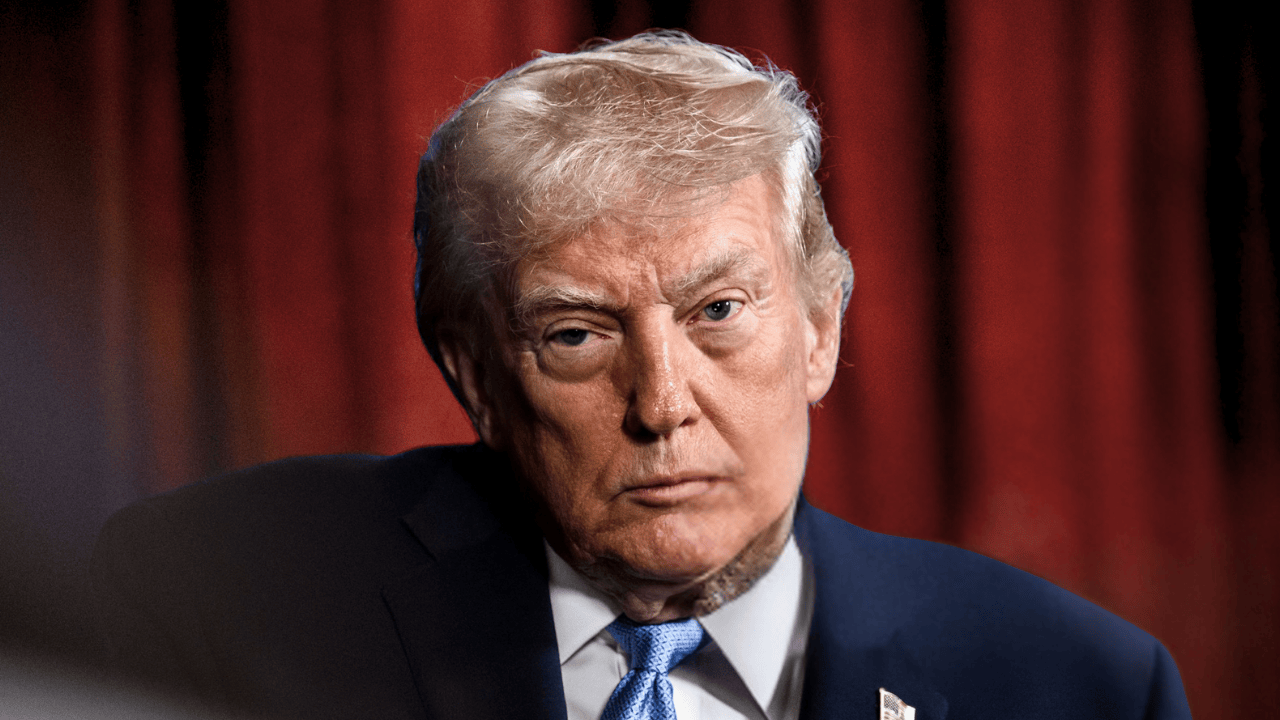
URGENT UPDATE: Former President Donald Trump has rapidly clarified his controversial stance on military shootings, stating that such actions are a serious violation of human rights—unless they occur in Minnesota. This startling declaration was made during a media conference today, where Trump asserted, “Everybody knows that when something like this happens in Minnesota it’s called ‘law and order’, whereas when it happens in Iran it’s a war crime.”
This statement raises significant questions about the implications of Trump’s views on military actions and civil unrest. His comments come at a time when tensions globally remain high, particularly regarding military responses to civilian protests.
“It’s very simple geography. Everybody knows this. The generals know it. The maps know it. It’s like real estate. Location is everything,” Trump continued, attempting to draw a stark contrast between incidents at home and abroad.
In an immediate follow-up, a White House spokesperson reiterated Trump’s position, indicating a clear differentiation between the protests in Iran, described as resistance against a dictatorship, and those in Minnesota. The spokesperson added, “In Iran, they are protesting against the rule of a dictator, whereas in Minnesota they’re protesting against … well, ok bad example, but it’s just different ok.”
This clarification comes amid ongoing debates about the use of force against civilians by military personnel, highlighting the complexities of public sentiment and government accountability. Trump’s remarks are poised to spark further discussion and potential backlash from human rights advocates who view such military actions as universally unacceptable.
As this story develops, experts and political analysts are closely monitoring the ramifications of Trump’s statements, particularly in relation to U.S. foreign policy and domestic governance. The implications of labeling military shootings as acceptable in one context and a crime in another could have far-reaching consequences on public perception and international relations.
Stay tuned as we continue to provide updates on this evolving situation. The contrast Trump has drawn could influence future military decisions and alter the dialogue surrounding protests both in the U.S. and globally.
