



































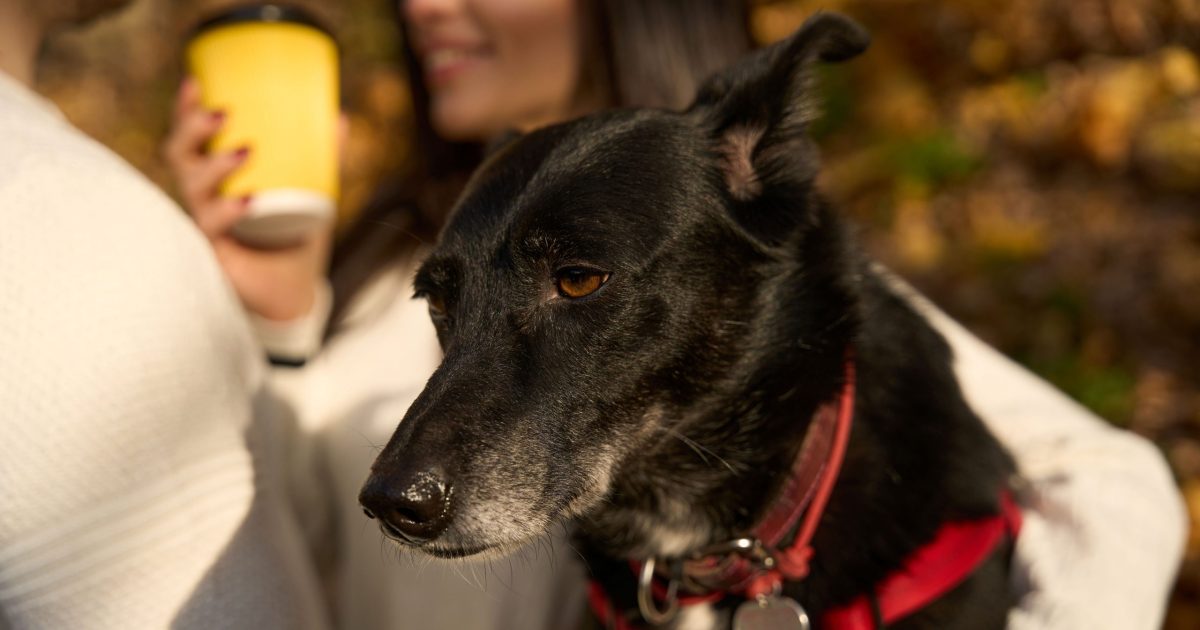
BREAKING: The Minns Government in New South Wales has just announced sweeping reforms to animal welfare laws, aiming to align legislation with community expectations. This significant overhaul of the Prevention of Cruelty to Animals Act 1979 (POCTAA) is set to introduce crucial changes that could reshape animal protection in the state.
The proposed amendments, considered the most extensive in years, include creating new offences for leaving dogs in hot vehicles, banning the use of prong collars, and imposing tougher penalties to combat animal fighting. Additionally, the legislation will prohibit the use of glue traps, which are currently illegal to set in NSW, and will enable inspectors to administer pain relief to animals in distress.
“These proposed new laws address significant gaps in animal welfare,” stated Stephen Albin, CEO of the Animal Welfare League NSW. He emphasized that the reforms target some of the most egregious forms of animal cruelty.
Recent data from RSPCA NSW revealed over 500 reports concerning dogs trapped in vehicles over the past six years, underscoring the urgency for legislative action. The reforms come after extensive consultations, receiving more than 7,000 submissions from the public, highlighting a strong desire for enhanced animal protections.
Minister for Agriculture, Regional and Western NSW, Tara Moriarty, expressed the government’s commitment:
“I’ve heard firsthand community views that put expectations on our government to take action and set these matters right.”
The Minister acknowledged that fair-minded citizens and industry stakeholders are demanding improved compliance and enforcement of animal welfare laws.
Key discussions with stakeholders are anticipated soon, with a bill expected to be presented to State Parliament in the first half of 2024. The government is proud of its track record over the past two years, noting a ban on puppy farms and allocating $25.3 million to support approved charities in enforcing animal welfare standards.
This urgent initiative reflects a growing public consciousness about animal rights and safety, and the expected changes could have a profound impact on the treatment of animals across NSW. As these developments unfold, residents and animal advocates will be closely monitoring the proposed reforms and their implications for animal welfare in the region.
Stay tuned for further updates on this critical legislative effort as it progresses through the parliamentary process.
