



































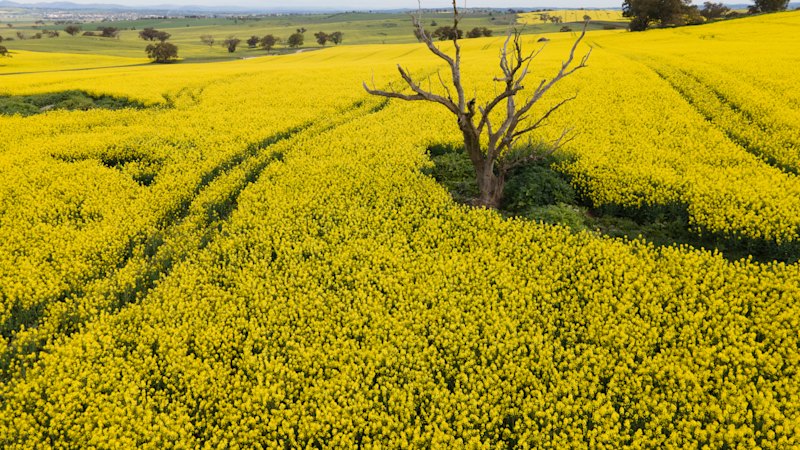
A Chinese importer has purchased a cargo of approximately 60,000 metric tons of Canadian canola, a move that could significantly affect Australian farmers. This acquisition follows a visit to Beijing by Canadian Prime Minister Mark Carney last week and marks the first Canadian canola shipment since China halted imports in October 2023.
The decision to import Canadian canola comes as the Chinese government is expected to lower tariffs on this commodity. Currently, the combined tariff stands at 84 percent, but Carney indicated that it may drop to around 15 percent by March 1, 2024. This adjustment is part of an initial trade agreement that also involves reduced tariffs on Chinese electric vehicles. Following Carney’s announcement, China’s Ministry of Commerce confirmed plans to adjust anti-dumping measures on Canadian rapeseed, although specific details were not provided.
Impact on Australian Canola Exports
The recent Chinese purchase raises concerns for Australian farmers, who had anticipated increased oilseed exports to China. In recent months, the state-owned enterprise COFCO had purchased approximately 500,000 tons of Australian canola. The resumption of Chinese purchases of Australian canola occurred after China imposed anti-dumping duties on Canada, which effectively halted Canadian shipments.
Prior to the Canadian shipment halt, China’s canola imports had reached zero in October 2023, the first time in two decades, according to trade data. This situation has led to a significant decline in inventories at Chinese crushing plants, which have reportedly run out of supplies for the first time since at least 2015, as noted by the consultancy MySteel.
On the trading floor, Zhengzhou rapeseed meal futures fell by 2.4 percent to a low not seen in over a year, driven by expectations of increased supply. The Chinese market has been under pressure due to ongoing anti-dumping investigations into Canadian canola, which resulted in preliminary duties of 75.8 percent imposed in August 2023. These developments are part of a broader diplomatic and trade dispute between Canada and China.
Future Prospects and Industry Implications
Beijing is expected to announce its final ruling on the anti-dumping investigation into Canadian canola by March 9, 2024. As the world’s largest importer of canola, China’s decisions have far-reaching implications for both Canadian and Australian farmers. Should the tariffs on Canadian canola be significantly reduced, it may further bolster Canada’s position in the global market, potentially diminishing Australia’s competitive edge.
Canola, also known as rapeseed, is primarily crushed to produce cooking oil, while the protein-rich meal left over from this process is widely used as livestock feed. The dynamics of the canola market are critical for farmers in both countries, making the upcoming decisions by Chinese authorities crucial for their economic futures.
