



































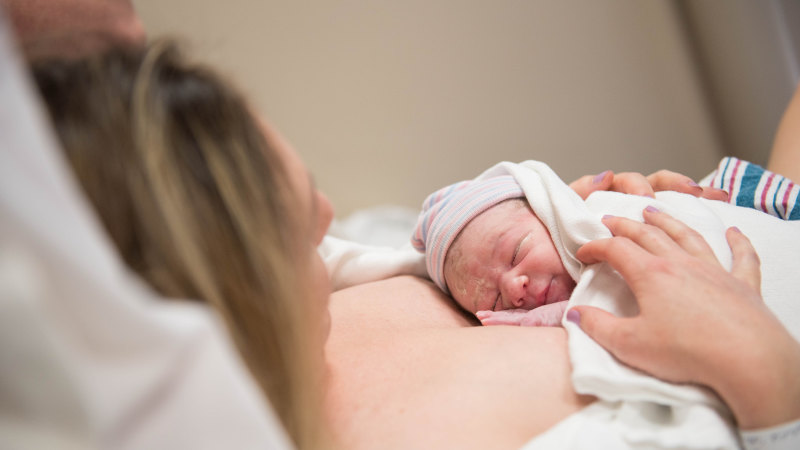
A new framework from Victoria’s health watchdog, Safer Care Victoria, is set to change the landscape of maternity care in the state. Effective from November 2023, the guidelines instruct doctors and midwives to support women who choose to refuse medical treatment during pregnancy and childbirth, even when such decisions may pose risks to the unborn child.
This initiative responds to rising concerns about birth trauma and a noted increase in women opting for “freebirths,” where they give birth outside the hospital system to avoid unwanted medical interventions. The guidelines represent the first official document of its kind in Victoria, indicating a shift toward respecting women’s autonomy in maternity care.
The guidelines outline how medical staff should manage situations where a mother declines recommended medical advice, even when her health or that of her fetus deteriorates. In these critical instances, staff are directed to respectfully inform women of the potential for permanent harm while continuing to provide support without pushing for intervention.
Furthermore, the framework recommends reducing the number of personnel present during such situations and maintaining an emergency team on standby, ready to assist should the mother change her mind. It also emphasizes that under Australian law, a fetus does not possess separate legal rights from the mother. The guidelines state, “When a woman makes an informed choice about her pregnancy or newborn care that doesn’t follow medical advice… clinicians still have a legal and ethical duty to respect her decision.”
Dr. Nisha Khot, president of the Royal Australian and New Zealand College of Obstetricians and Gynaecologists, has voiced support for the new guidance. She believes it will assist both clinicians and patients in navigating complex situations during childbirth. Khot acknowledged that many maternity services are increasingly encountering women who question the rationale behind specific interventions and seek alternatives to the conventional care model.
“There is more and more of this friction,” said Khot. “Women are struggling with it, and clinicians are struggling with it.” She pointed out that often, hospital policies are cited as justification for interventions without clear explanations of their medical necessity.
The new guidance advises clinicians to communicate with respect, provide evidence-based information, and avoid fear-inducing language. Coercive practices to enforce hospital protocols are discouraged, as noted in the document, which states, “These practices can contribute to gender-based harm.”
Alecia Staines, founder of the Maternity Consumer Network, highlighted the importance of these guidelines in addressing a pressing patient safety issue. She noted that approximately one-third of women experience birth trauma, and questioned how effectively the guidelines would be implemented in practice. “It should never be a trade-off between the woman’s experience and the clinical outcome,” Staines remarked. “Upholding a woman’s autonomy can protect her against most birth trauma.”
Staines emphasized that situations where mothers refuse medical treatment, even amid health concerns, are distressing but not common. “The baby does not have any rights until it is detached from the mother. The woman has the right to make decisions for both herself and her baby,” she said, referring to the fundamental concepts of bodily autonomy and human rights.
The increase in freebirths reflects a maternity system that some women feel fails to meet their needs. Staines explained that for many, opting for freebirth stems from feelings of unsafety, often due to previous trauma or concerns about being disrespected within medical settings.
Data from the Victorian Coroners Court reveals concerning statistics regarding birth outcomes. Between 2015 and August 20, 2025, there were six reported deaths of babies following freebirths, alongside fatalities related to planned home births and unplanned home births, often attributed to premature deliveries. The Coroners Court is currently investigating the death of wellness influencer Stacey Warnecke, who tragically died after complications related to a freebirth in September 2023.
Dr. Ishita Akhter shared her traumatic experience of being coerced into an unnecessary epidural and emergency caesarean section despite her requests for a vaginal birth. She recounted the distressing circumstances leading to her surgery, which she felt robbed her of a crucial bonding moment with her newborn son.
A spokesperson for the Victorian government explained that the new framework aims to alleviate distress among women and address feelings of being unheard, both of which contribute to birth trauma. Developed with input from midwives, obstetricians, and women with firsthand experiences, the guidelines are a direct response to the Victorian Maternity Taskforce’s recommendations for more respectful and culturally safe maternity care.
As Victoria embraces this new approach to maternity care, the focus now shifts to the practical implications of these guidelines and how they will be integrated into daily medical practice to ensure the health and well-being of both mothers and their babies.
