



































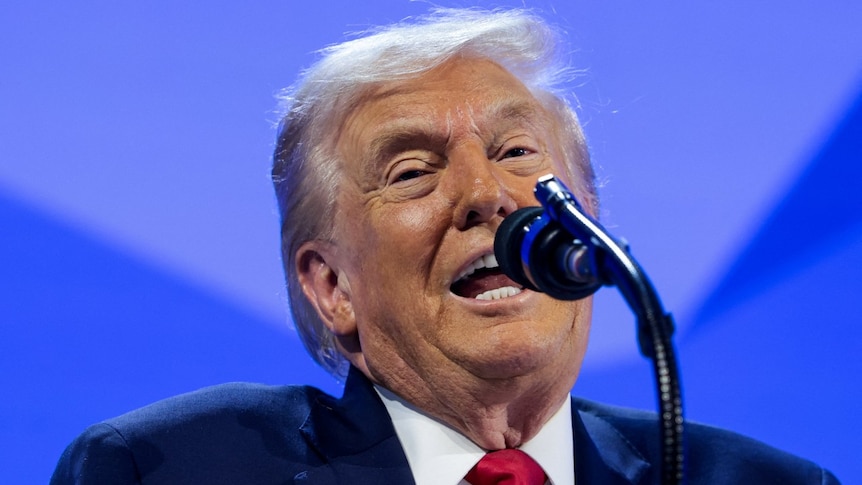
Donald Trump has called for “immediate” negotiations to discuss the possibility of purchasing Greenland from Denmark. This announcement comes amid ongoing tensions between his administration and key European allies. The U.S. President’s remarks have reignited debate over the strategic value of Greenland and the historical context of U.S.-Denmark relations.
Trump’s interest in Greenland is not new; he previously proposed the idea in August 2019, a suggestion that was met with strong rejection from Danish officials. In a recent statement, Trump criticized Denmark, labeling them as “ungrateful” for their dismissal of the proposal. He emphasized the importance of Greenland’s natural resources and strategic location in the Arctic, proposing that it could significantly benefit the United States.
Implications of the Proposed Deal
The potential acquisition of Greenland could have profound implications for both U.S. foreign policy and the geopolitics of the Arctic region. Greenland, which is an autonomous territory within the Kingdom of Denmark, is rich in natural resources, including rare earth minerals and oil deposits. Analysts suggest that control over these resources could enhance U.S. energy independence and influence in global markets.
In light of climate change and increasing shipping routes through the Arctic, the region is becoming a focal point for international interests. Trump’s administration has emphasized the need for enhanced U.S. presence in the Arctic to counteract growing influence from other nations, particularly Russia and China.
The Danish government has reiterated its commitment to maintaining sovereignty over Greenland. In response to Trump’s assertions, Danish Prime Minister Mette Frederiksen remarked that “Greenland is not for sale,” reinforcing the territory’s self-governance and the ties that bind it to Denmark.
Reactions from European Leaders
The remarks from Trump have elicited varied reactions across Europe. Some leaders view the U.S. proposal as emblematic of a broader trend of American unilateralism, which has strained relationships with traditional allies. The European Union has expressed concern over the implications of such negotiations, warning that they could undermine regional stability.
As discussions continue, it remains to be seen how this latest development will affect U.S.-Denmark relations and the broader geopolitical landscape. The potential for negotiations to begin has sparked curiosity and concern among international observers, who are closely monitoring the situation.
In conclusion, Trump’s call for immediate talks on Greenland reflects a desire to assert American interests in the Arctic while raising questions about the future of U.S.-European relations. As both sides navigate this complex landscape, the ramifications of these discussions will likely extend far beyond the negotiation table.
