



































A team of palaeontology researchers from Flinders University, in collaboration with local experts, has made significant discoveries regarding the history of shorebirds in South Australia. Their findings, published in the journal Palaeontologia Electronica, reveal that various shorebird species, including the endangered Plains-wanderer, thrived in the region’s wetlands up to 60,000 years ago. These habitats were drastically altered due to a pronounced drying phase starting around 17,000 years ago, which likely contributed to the decline of many shorebird species.
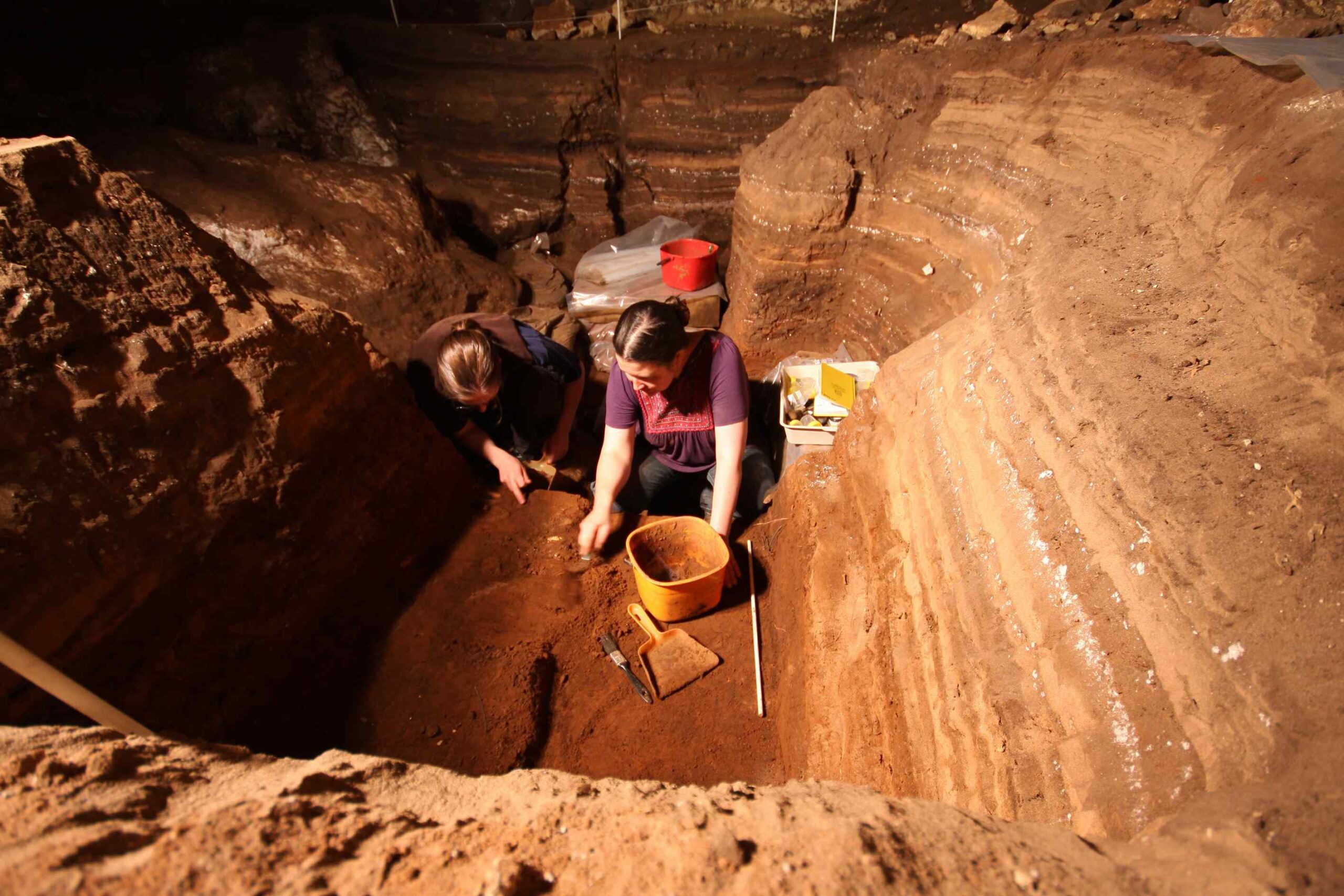
According to Karl Lenser, a PhD candidate at Flinders University and lead author of the study, the discovery of numerous shorebird fossils in Blanche Cave was unexpected. “Shorebirds are rare in the fossil record, so finding so many in one cave was a surprise,” he stated. The research indicates that the wetlands and mudflats, crucial feeding grounds for birds such as plovers, sandpipers, and snipes, were much more prevalent during the last Ice Age.
The study highlights the impact of climate change and habitat loss on contemporary shorebird populations across Australia. Researchers emphasize that understanding how these species adapted to historical climate changes may provide critical insights into their future resilience.
Insights from Fossil Findings
Among the fossils examined, the Plains-wanderer stood out as one of the most common species identified. Over half of the nearly 300 bones studied belonged to this small bird, which is now primarily found in limited populations in Victoria and New South Wales. “Living Plains-wanderers are now very selective about their habitat, but other fossils from Naracoorte show that the area was probably a woodland,” Lenser explained. This suggests that significant changes in habitat occurred over the last 14,000 years, leading to the bird’s current preference for treeless grasslands.
The unique fossil record at Naracoorte indicates that the Plains-wanderer’s decline is linked to a narrowing of its habitat range, which contrasts sharply with the woodlands it occupied during previous climatic periods. This shift underscores the importance of preserving diverse habitats to support the survival of such species.
Broader Implications for Migratory Species
Associate Professor Trevor Worthy, a co-author of the study, remarked on the significance of the fossilized shorebirds, noting that they document migratory species that travel annually from the Northern Hemisphere to Australia for the boreal winter. This group includes three species of Calidris sandpipers and Latham’s snipe, which migrates from Australia to New Zealand to breed. Worthy pointed out that two of the fossilized birds were less than a year old, indicating they had flown the 2,000 km journey from New Zealand before falling victim to an owl near Blanche Cave.
The Naracoorte Caves, part of the UNESCO World Heritage-listed Australian Fossil Mammal Sites, offer a rich repository of biodiversity data spanning half a million years. “There is still a lot we don’t know about birds in Australia during the last Ice Age, but fossils from caves like those at Naracoorte are helping to fill this gap,” Lenser added.
Co-author Dr. Liz Reed from Adelaide University highlighted the ongoing importance of these findings for contemporary conservation efforts. “As this study clearly demonstrates, the caves provide a window into pre-European landscapes and yield information relevant to the conservation of threatened species today.”
The research not only sheds light on the past but also underscores the urgent need for ongoing conservation efforts to protect remaining shorebird habitats in Australia. Understanding the historical context of these species can inform strategies to mitigate the effects of current climate challenges.
