



































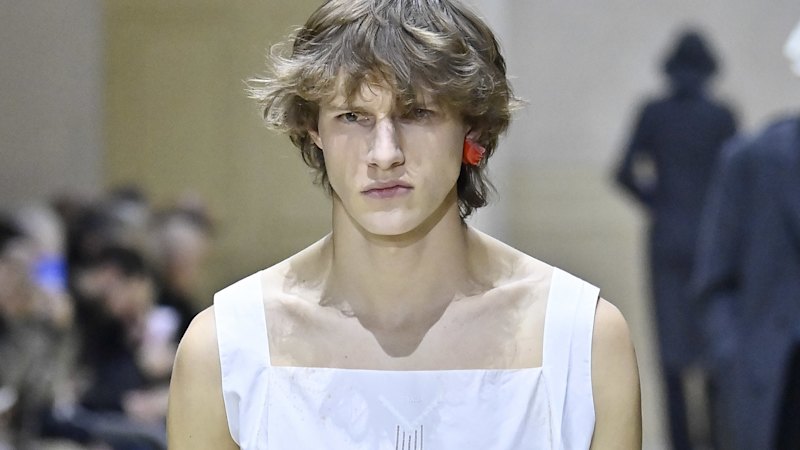
Fashion shows during menswear week in Paris have sparked a debate about the direction of men’s fashion. On January 24, 2026, the industry showcased a range of designs that often blurred the lines between traditional menswear and attire typically associated with women. While models strutted down the runway in sequinned tops and floral capes, the question arose: who is the target audience for these designs?
At the forefront of this confusion are collections from renowned labels such as Dior, Prada, and Dolce & Gabbana. The pieces presented, including low-cut tops and fluffy scarves, seem more suited for female patrons or stylish members of the LGBTQ community rather than the average male consumer. This trend has left many wondering about the evolving identity of menswear and its accessibility to a broader audience.
Celebrity figures like Jacob Elordi, Josh O’Connor, and A$AP Rocky manage to effectively embody menswear trends on the red carpet. Yet, the runway presentations tell a different story. The designs, while visually striking, often fail to resonate with the everyday male shopper. Items such as wrap skirts and cotton tops adorned with chunky earrings raise the question of market viability.
Challenges Facing Menswear Brands
The presence of female models in menswear collections adds another layer of complexity. At shows featuring Giorgio Armani and Dsquared2, the inclusion of women raises eyebrows regarding the intended audience for these garments. A study by Italian fashion industry group Altagamma revealed a significant decline in luxury consumers, dropping from approximately 400 million in 2022 to around 340 million in 2025. This decline highlights a pressing need for brands to cater effectively to male consumers, who may feel alienated by the current offerings.
Despite the challenges, Jonathan Anderson, the creative force behind the Spanish brand Loewe, is attempting to redefine menswear at Dior. In his latest runway show, traditional menswear staples were reimagined, but the overall aesthetic still leaned towards designs that might appeal to women. Features such as bar jackets, initially introduced by Christian Dior in 1947, and skirts were prominent, further muddling the distinction between men’s and women’s fashion.
While some pieces, like Prada’s trench coats and tailored suits, were clearly intended for men, they appeared overshadowed by more flamboyant offerings. The contrast between the masculine and gender-fluid designs suggests a disconnect in the messaging of what menswear should represent.
The Future of Menswear on the Runway
The ongoing struggle to find a balance in menswear has led to significant shifts within the industry. Notably, Alexander McQueen’s creative director, Sarah Burton, has eliminated menswear from runway shows altogether. Additionally, brands like Gucci are merging menswear and womenswear presentations, reflecting a broader trend in the fashion world.
The cancellation of London Menswear Fashion Week last year signals a growing concern over the viability of standalone menswear events. As the industry grapples with these changes, the question remains: how can designers create excitement in menswear without alienating male consumers?
Clothing inherently does not have a gender, but the current landscape suggests a need for more diverse options that appeal directly to men. For many, the hope is for a future where men have access to exciting, innovative designs that transcend the boundaries of traditional gender norms.
