



































Electricity bills in Australia are poised to increase by as much as 24 percent this year due to the expiration of government energy subsidies. This surge follows significant financial relief measures that were introduced to mitigate the impact of rising living costs, particularly after inflation reached a peak of 7.8 percent in December 2022. With the government’s rebates set to end, households can expect electricity costs to rise to levels not seen since before the subsidies were implemented.
In response to the rising cost of living, both state and federal governments introduced financial rebates in 2023. These measures were aimed at easing the burden on households as energy prices climbed. Following a six-month extension of these rebates announced by Labor before the federal election in May, Treasurer Jim Chalmers confirmed that no further extensions would occur before the subsidies expired in late December.
The decision to discontinue the rebates has drawn mixed reactions. While many economists welcomed the move, arguing that the funds could be better allocated toward the necessary energy transition, it is expected to lead to immediate financial strain for families. According to projections from the Australian Bureau of Statistics and forecasts by Westpac economists, the average three-person household could face an additional $500 in electricity costs this year alone.
The Organisation for Economic Co-operation and Development (OECD) highlighted the urgent need for Australia to significantly increase its investment in renewable energy sources. This transition is crucial for replacing outdated coal-fired power stations that contribute to market volatility and higher electricity prices. “The price is not going to go back down to what it was before the pandemic,” stated Alison Reeve, an energy and climate expert at the Grattan Institute. “That world is gone.”
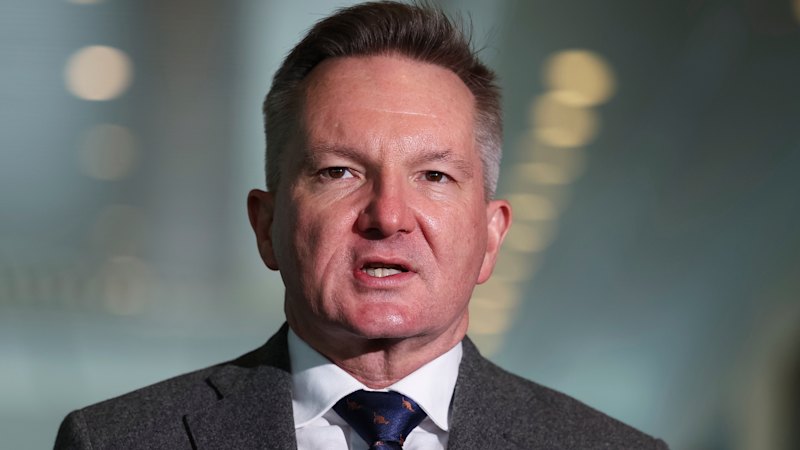
As inflation remains a critical issue, now above the Reserve Bank of Australia’s targeted range, households are bracing for another challenging year. Energy Minister Chris Bowen recently announced a new initiative called Solar Sharer, which aims to provide households with free electricity during peak solar production times. However, the implementation of this plan has faced criticism, as energy retailers are asking for more time to prepare.
Lower-income households are expected to be disproportionately affected by these rising electricity costs, as energy expenditure constitutes a larger portion of their budgets. “Electricity prices typically rise faster than general inflation,” Reeve noted, emphasizing that consumers should prepare for continued increases. The recent spike in electricity prices can be traced back to soaring prices for gas and coal, which surged following geopolitical tensions, particularly the invasion of Ukraine.
The OECD’s latest report on the Australian economy underscored the urgency of transitioning away from coal to renewable energy sources to meet growing demand and stabilize the electricity market. The end of the subsidies will also have significant implications for inflation figures, with the Reserve Bank monitoring the situation closely. The subsidies were designed to artificially lower inflation by directly compensating utilities for reducing consumer bills. As these subsidies fade, it is anticipated that the headline inflation rate will rise.
Economists predict that the impact of the subsidy expiration will not be immediately visible in the December inflation data, set to be released on January 28, but will likely affect figures in the March quarter. Justin Smirk, a Westpac economist, pointed out that the rebates merely postponed the financial strain households will experience, moving the impact of price increases into the future.
With these changes on the horizon, Australian households should prepare for a challenging financial landscape as the energy market continues to evolve amid broader economic pressures.
