



































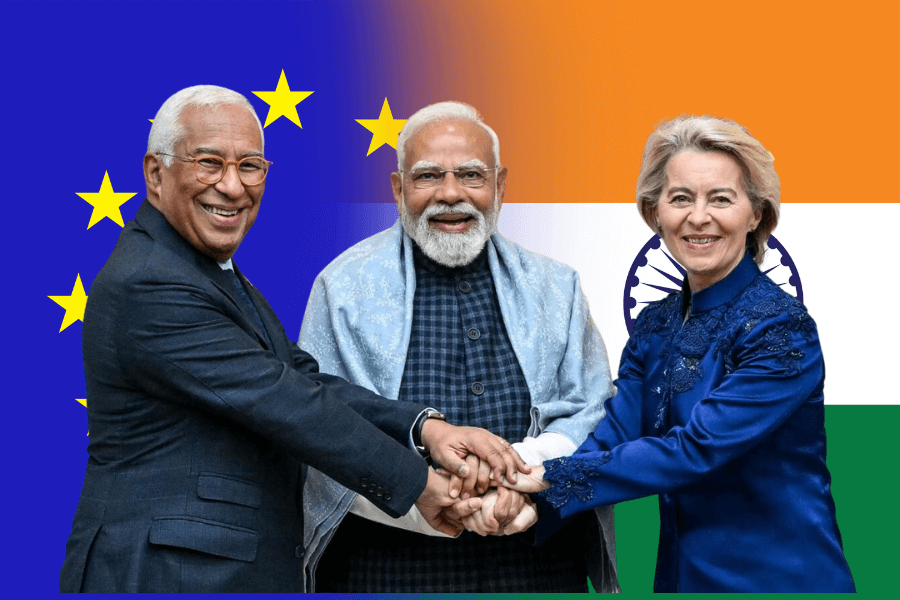
BREAKING: The European Union and India have just announced a historic free trade agreement, ending nearly two decades of stalled negotiations. This landmark deal will progressively eliminate or reduce tariffs on an astonishing 96-97% of goods traded between the two economies, potentially reshaping global trade dynamics for nearly two billion consumers.
This monumental agreement reflects a significant geopolitical shift, largely influenced by the uncertainty in global trade following tariff actions by former President Donald Trump. Both parties are eager to diversify their trade relationships, moving away from over-reliance on the US market.
Under this agreement, India will drastically cut tariffs on various European exports, including automobiles, machinery, and chemicals. In return, the EU is set to grant India improved access for textiles, pharmaceuticals, and leather goods. This comprehensive partnership also addresses long-standing issues in services, digital trade, and regulatory cooperation.
The negotiations faced tough challenges, particularly regarding sensitive sectors like automobiles, where Indian tariffs have historically exceeded 100%, making it one of the most protected auto markets globally. The deal includes a gradual reduction in tariffs, allowing Indian manufacturers time to adapt while opening doors for European firms.
Agricultural sectors posed another significant hurdle, with India maintaining strict controls over food imports to protect local farmers. While European producers sought access for high-demand dairy products, the final agreement carefully navigated these contentious waters, avoiding politically challenging outcomes.
The timing of this deal is crucial. As global trade becomes increasingly fragmented, the agreement illustrates a strategic pivot for both the EU and India. A European trade official emphasized, “For both India and the EU, this agreement is as much about resilience as it is about growth.” This sentiment encapsulates the urgency behind the negotiations, driven by the need to fortify economic ties amid rising protectionism.
So, who stands to gain more from this agreement? In the immediate term, the EU appears to secure a significant commercial advantage, gaining access to one of the world’s fastest-growing markets. European exporters are poised to benefit notably in sectors such as automobiles and premium food products, where they hold competitive advantages.
On the other hand, India’s long-term gains are strategic. The preferential access to the EU market aims to bolster India’s labor-intensive sectors, positioning the country as a viable alternative to China in global supply chains. A senior trade economist noted, “The EU gets faster commercial returns; India gets long-term industrial positioning.” This mutual benefit underscores the complementary nature of the deal.
Australia, while indirectly affected, will likely see increased demand for its raw materials and critical minerals as EU-India trade expands. Australian firms may also discover new opportunities as partners within EU-India supply chains, particularly in sectors like logistics and education.
This groundbreaking agreement not only signifies a shift towards pragmatic trade policy but also highlights the lessons learned from an unpredictable global trading environment. The EU-India trade deal is set to reshape economic landscapes, fostering cooperation amid growing global tensions.
Stay tuned for further updates as this significant trade agreement unfolds!
