



































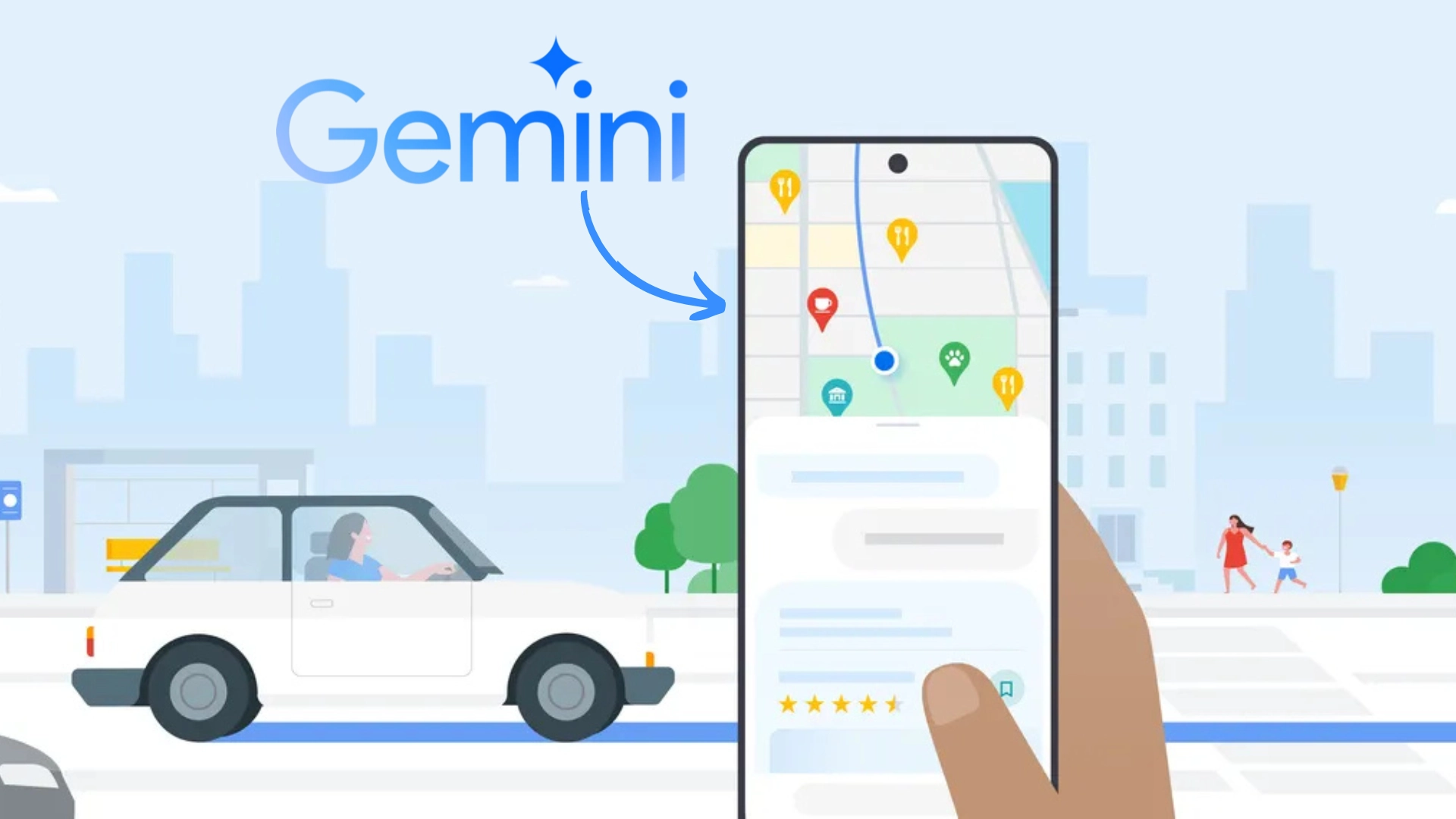
Google has expanded the capabilities of its AI assistant, Gemini, to enhance navigation for pedestrians and cyclists. This update follows a series of improvements during the week, marking a significant evolution in how users interact with Google Maps. Previously limited to vehicle navigation, Gemini now offers a conversational experience tailored for users on foot or cycling.
AI-Powered Assistance for Walkers
While navigating on foot, Gemini acts as a knowledgeable local guide rather than merely directing users with arrows on a map. By utilizing Google’s extensive database of real-world information and Street View imagery, users can engage in natural conversations without needing to stop and type. For instance, asking, “What neighborhood am I in?” prompts Gemini to provide immediate context about the user’s surroundings. Similarly, inquiries such as “Are there any cafes with a bathroom along my route?” result in tailored suggestions based on walking distance and specific requirements.
Moreover, Gemini’s multimodal capabilities allow users to inquire about landmarks they encounter. A simple question like, “Tell me about that statue over there,” enables the AI to identify and provide information on various points of interest, enriching the walking experience.
Enhanced Safety Features for Cyclists
For cyclists, the updates introduce critical safety enhancements. Handling a phone while riding poses risks, and previous voice-command systems have had limitations. The new features in Gemini facilitate complex, multi-step tasks, allowing cyclists to keep their hands on the handlebars and focus on the road.
Users can communicate hands-free by saying, “Text Sarah I’m 10 minutes behind,” or ask about their schedule with “When is my next meeting?” This functionality ensures that cyclists remain organized and informed while riding. Additionally, asking “What’s my ETA?” or “Is there a faster way?” provides real-time adjustments without requiring users to interact with their screens.
Incident reporting is another significant feature; cyclists can voice-report accidents, construction, or slowdowns, contributing to a safer environment for all riders in the area.
The update is currently rolling out globally for both iOS and Android devices wherever Gemini is supported. This initiative reflects Google’s broader strategy to integrate Gemini into daily activities, making it an essential tool for navigation rather than a separate application.
Overall, these advancements illustrate Google’s commitment to enhancing user experience through innovative AI technology, positioning Gemini as a versatile assistant for both walkers and cyclists.
