



































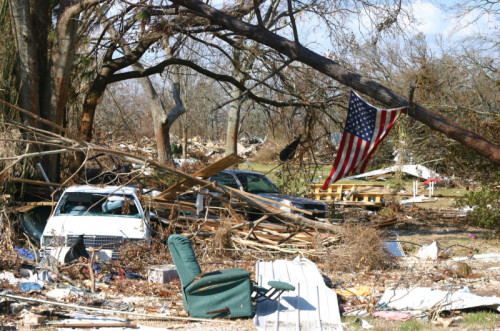
When Hurricane Katrina struck the United States in 2005, it claimed nearly 2,000 lives and caused damages exceeding $100 billion. A recent study from The University of Manchester reveals that the storm left a less visible but significant economic legacy that continues to affect businesses today. The findings, published in the Journal of Corporate Finance, highlight how many companies in the Gulf Coast region began delaying payments to suppliers in the aftermath of the hurricane, resulting in widespread financial consequences.
Research conducted by Professor Viet Dang, Professor Ning Gao, and Dr. Hongge Lin from the Alliance Manchester Business School examined changes in payment behaviour among businesses in the affected areas. They focused on how punctuality in payments impacted suppliers, particularly in competitive markets where timely payments are crucial for covering wages, rent, and materials.
The results indicated that businesses located in counties hardest hit by Katrina were significantly more likely to delay supplier payments. On average, payment reliability fell by more than four percent. While this may seem minor, such delays can have profound effects on companies operating with tight profit margins and weekly payrolls. Companies that postponed payments were also more likely to reduce their workforce or shut down altogether, further exacerbating the situation.
The ripple effects extended beyond the immediate vicinity of the hurricane. Suppliers located far from the disaster zone reported weaker cash flow and declining financial health due to late payments. As a result, a storm in Louisiana could adversely affect businesses in other states, underscoring the interconnected nature of modern supply chains.
Payment Delays and Economic Consequences
The study emphasizes that delays in payment within supply chains significantly contributed to the lasting economic impact of Katrina. This finding raises critical questions about corporate financial management practices. “In a fast-moving economy, companies must manage their cash flows effectively,” noted Professor Gao. “Punctual payment not only enables companies to meet their bill-payment obligations but also directly affects their credit scores and borrowing capacity, as suppliers and lenders closely monitor payment behaviour to assess financial health.”
These lessons resonate in today’s context, as extreme weather events are increasingly frequent and severe. From hurricanes along the US coast to wildfires and floods in other regions, the potential for disruption is significant. The study highlights that the interconnectedness of modern businesses means that disruption in one area can quickly lead to repercussions elsewhere, affecting workers and communities that may not have experienced the events directly.
Recommendations for Future Preparedness
To mitigate the risk of payment delays leading to job losses and business failures, the study suggests a number of proactive measures. These include faster access to emergency funding, the creation of more resilient supply chains, and improved disaster planning. Such strategies could help businesses navigate the financial challenges that arise in the wake of natural disasters.
The insights from this research serve as a reminder of the long-term economic impacts that severe weather events can inflict on communities and businesses. With the frequency of such events increasing, understanding these dynamics will be crucial for shaping effective responses and ensuring financial stability in vulnerable regions.
The findings from The University of Manchester provide essential data for policymakers and business leaders alike, emphasizing the need for robust financial strategies that can withstand the challenges posed by climate-related disasters.
