



































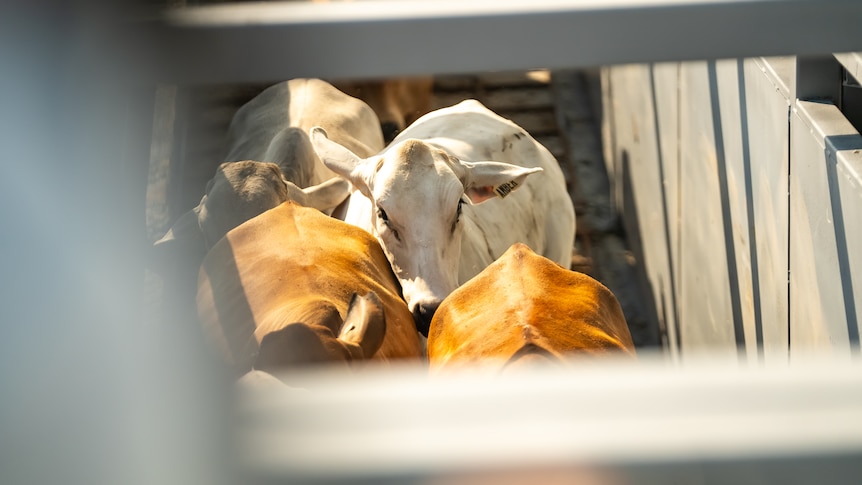
A retired truck driver has introduced a groundbreaking solution to improve animal welfare during cattle transport. He developed a wide, steel cattle-loading ramp designed to allow animals to walk side by side, closely mimicking their natural herd behaviour. This innovative approach aims to reduce stress, noise, and the risk of injury for cattle during loading and transport.
The ramp, which features a unique design accommodating multiple animals at once, addresses common challenges faced by livestock transporters. Traditional loading methods often result in agitation among cattle, leading to potential injuries and increased stress levels. By allowing animals to move together, the ramp fosters a calmer environment, facilitating a smoother loading process.
According to industry experts, such advancements can significantly enhance animal welfare standards. The importance of minimizing stress in livestock has been well-documented, with studies showing that calmer animals not only experience less trauma but also exhibit improved overall health during transport. The ramp’s design not only adheres to these principles but also promotes efficiency in loading practices.
November 15, 2023, marked a significant milestone when the ramp was first tested at a cattle farm in rural Australia. Farmers involved in the pilot project reported a noticeable difference in the behaviour of the animals during loading. One farmer noted, “The cattle were less agitated and moved onto the truck more willingly than before. It’s a game changer for us.” This feedback highlights the practical benefits of the new ramp, indicating a positive shift in livestock management.
The retired truck driver, who wishes to remain anonymous, has spent years refining the ramp’s design. His extensive experience in the transport industry informed his understanding of animal behaviour, leading him to create a product that prioritizes safety and comfort. This dedication to animal welfare has drawn attention from both animal rights advocates and transport professionals.
As the demand for humane transport solutions grows, innovations like this ramp could set new standards within the industry. The potential for widespread adoption is encouraging, especially as regulations surrounding animal welfare become increasingly stringent in many regions.
In a market that values sustainability and ethical practices, solutions that enhance animal welfare are crucial. Transport companies may soon find themselves under pressure to adopt such innovations, not just for compliance but also for the well-being of the animals they handle. The development of this cattle-loading ramp aligns with a broader trend toward more responsible and humane animal husbandry practices.
While challenges remain in the transport of livestock, this new ramp demonstrates a promising step forward. Further research and development may expand its application, potentially leading to more advanced designs that could accommodate various livestock species.
The implications of this innovation extend beyond the immediate benefits for cattle. By improving loading conditions, the ramp also contributes to more efficient operational practices for transporters, potentially reducing costs associated with injuries and stress-related health issues in animals.
As the agricultural community continues to adapt to evolving welfare standards, the introduction of this cattle-loading ramp serves as a reminder of the importance of innovation in enhancing the lives of animals in transport.
