



































Negotiations between Ukraine and Russia have officially begun in Geneva, with an emphasis on addressing “security and humanitarian issues,” according to Ukraine’s chief negotiator, Rustem Umerov. On social media platform X, Umerov stated, “We are working constructively, focused and without excessive expectations. Our task is to maximally advance those solutions that can bring sustainable peace closer.”
The backdrop to these discussions comes amid intensified military actions, as Russia conducted heavy air strikes overnight targeting various regions in Ukraine. Notably, the southern port city of Odesa suffered significant damage to its power infrastructure, leaving tens of thousands of residents without heat and water during a harsh winter. Ukrainian President Volodymyr Zelenskiy urged allies to ramp up pressure on Russia to facilitate a “real and just” peace deal, advocating for tougher sanctions and increased military support for Ukraine.
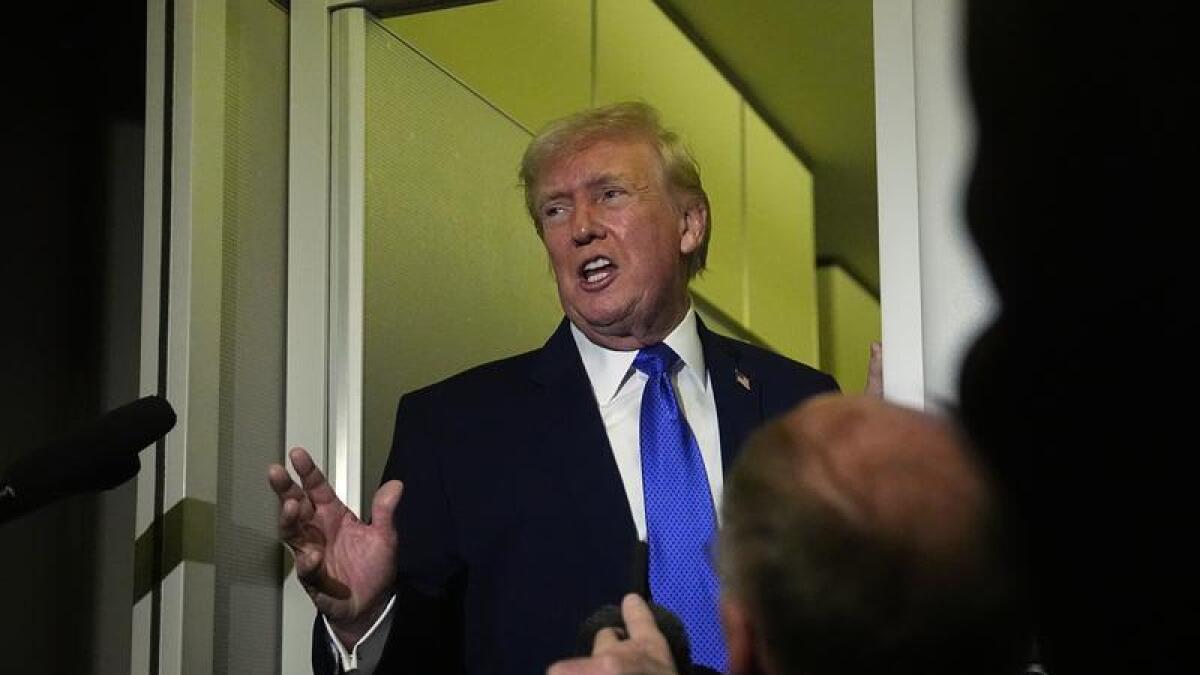
In an unexpected twist, former US President Donald Trump commented on the situation while en route to Geneva, where he was participating in separate negotiations with Iranian officials. Trump remarked, “We have big talks. It’s going to be very easy. I mean, look, so far, Ukraine better come to the table fast. That’s all I’m telling you.” His remarks reflect the ongoing international interest in the outcome of the talks, which come just days before the fourth anniversary of Russia’s full-scale invasion of Ukraine on February 24, 2024.
The Russian delegation is being led by Vladimir Medinsky, an aide to President Vladimir Putin. However, past accusations from Ukrainian negotiators that Medinsky has used historical lectures to justify Russia’s actions have tempered expectations for progress. Alongside Medinsky, military intelligence chief Igor Kostyukov and special envoy Kirill Dmitriev will participate in discussions, particularly focusing on economic matters.
Context of the Conflict
The Geneva talks follow two previous rounds held in Abu Dhabi, which both sides characterized as constructive but lacking significant breakthroughs. The situation in Ukraine remains dire, with approximately 20 percent of its territory under Russian control, including Crimea and parts of the eastern Donbas region. The ongoing conflict has resulted in tens of thousands of deaths and millions displaced from their homes, with many urban areas experiencing devastation.
Zelenskiy expressed hopes for meaningful dialogue during the Geneva discussions, stating, “I hope the Geneva talks will prove serious, substantive… but honestly sometimes it feels like the sides are talking about completely different things.” This reflects the complexity of the issues at hand, which extend beyond territorial disputes to include control of critical infrastructure, such as the Zaporizhzhia nuclear power plant, and the potential role of Western troops in a postwar Ukraine.
As the world watches these negotiations unfold, the urgency for a resolution grows, both for the people of Ukraine and for the broader geopolitical landscape affected by this prolonged conflict. The outcome of these talks could have significant implications for the future stability of the region and the international response to the ongoing crisis.
