



































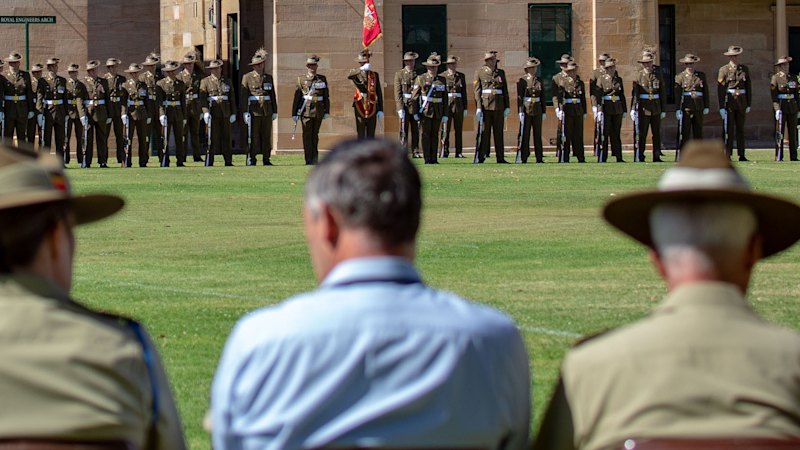
In Sydney, a heated debate is unfolding over the future of the historic Victoria Barracks. Some local officials are advocating for its sale to the highest bidder, while opponents argue that the site could serve as a vital resource for both open space and housing. This discussion reflects broader tensions surrounding urban development, particularly in areas facing significant housing affordability challenges.
The Victoria Barracks, located in the heart of Sydney, has long been a symbol of the city’s military history. Built in the early 19th century, this site has served various roles and is now at a crossroads. Advocates for its sale claim that it could generate substantial revenue for the government, potentially funding other public projects. However, many community leaders and urban planners express concern that such a move would prioritize profits over public needs.
Community Voices Weigh In
Local residents have rallied against the idea of selling the barracks, arguing that it represents a critical opportunity for enhancing urban green spaces. Residents for Open Spaces, a community advocacy group, emphasizes that Sydney’s rapid growth has led to a pressing need for accessible parks and recreational areas. According to their research, the city has seen a decline of over 30% in public parkland per capita in the last decade.
Community members are also concerned about the potential for increased congestion and strain on local infrastructure if the site is developed into high-density housing without adequate planning. The sentiment echoes a broader movement against NIMBY attitudes, where opposition to development often stems from fears of negative impacts on local neighborhoods.
The Housing Affordability Crisis
The ongoing discussions about Victoria Barracks tie into the larger context of Sydney’s housing affordability crisis. With property prices soaring by over 15% in the past year alone, many residents find themselves priced out of the market. Urban planners argue that integrating affordable housing options into the site could alleviate some of the pressure on the local housing market.
According to the Australian Institute of Architects, the site could be developed in a way that balances housing needs with public open space. They propose a mixed-use development that includes affordable housing alongside community facilities and green areas. This approach could provide a model for sustainable urban growth in Sydney and beyond.
Government officials have yet to finalize plans for the barracks, but the discussion continues to garner public interest. As the city grapples with growth and change, the fate of Victoria Barracks serves as a litmus test for how Sydney will prioritize community needs against the backdrop of economic pressures.
In conclusion, the debate over Victoria Barracks is more than just a localized issue; it reflects a broader struggle between the necessity for urban development and the importance of preserving community space. As discussions evolve, stakeholders will need to consider the long-term implications of their decisions on the future of Sydney’s urban landscape.
