



































Tensions within the Albury-Wodonga Regional Health Services alliance have been characterized as a “misunderstanding,” following a pivotal phone call between key mayors. The discussion sought to address concerns regarding the Federation Council’s contribution of $8,138 to the alliance, which was at risk of being revoked due to apprehensions about its effectiveness for the local community.
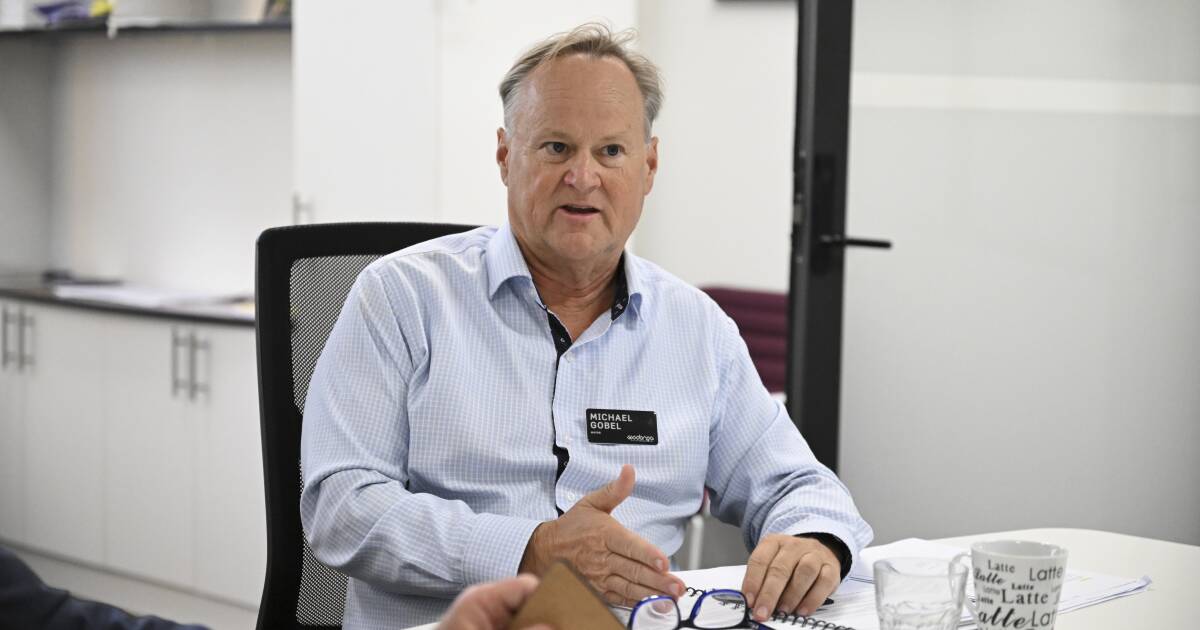
Wodonga mayor and chair of the health alliance, Michael Gobel, reassured members of the Federation Council that the alliance’s advocacy goals remain intact. “We are advocating for a new hospital on a new site and better healthcare for our region,” he stated, emphasizing the need for improved infrastructure at regional hospitals like Corowa and Corryong.
The concerns were initially raised by Federation Council mayor Cheryl Cook, who indicated that the council was considering withdrawing its funding. After a constructive phone call between the two mayors and health alliance members, both Gobel and Cook acknowledged the misunderstanding and confirmed that the Federation Council would continue its participation in the alliance. “It was a very collegial, wonderful discussion,” Cook noted, adding that she would report back to her council with the clarified points.
Despite the resolution, Cook reiterated the importance of advocating for better health funding for rural and regional areas. “We will stay with the alliance as long as they incorporate the advocacy for better equity funding for rural and regional health,” she affirmed. The Federation Council is unique within the Murrumbidgee network, being the only council not under the Victorian health system.
Following their conversation, Gobel expressed confidence that the Federation Council would not retract its funding over the misunderstanding. He stated, “I would be surprised if Federation then elected to pull the funding based on a misunderstanding.”
While the alliance has assured satellite towns of continued support, questions remain regarding the allocation of the $72,500 pool of council alliance funds. In 2025, when the alliance sought to tender for a lobbyist or adviser, feedback indicated that the scope of their project was deemed too expansive.
As the health alliance navigates this transitional phase, short-term goals have shifted in light of the upcoming Farrer byelection and Victorian state election. A primary focus now is the recruitment of a strategic adviser to guide the alliance through the construction tender process for the clinical services building, which is expected to commence in mid-2026. Gobel hinted that this adviser could potentially have a legal background, though specifics remain unconfirmed.
“What has changed is around the chronology or the timing of that in terms of where we put our focus in the short term,” Gobel explained. He underscored the urgency given the political landscape and the impending contract for the clinical services building, emphasizing the need for strategic action.
The situation illustrates the complexities of regional health governance and the importance of clear communication among stakeholders, particularly as communities strive for enhanced healthcare services. The collaboration between the mayors and the alliance demonstrates a commitment to overcoming challenges and ensuring that health advocacy remains a priority for the region.
