



































The ongoing competition between Netflix and Paramount to acquire Warner Bros has taken a new turn, as both companies ramp up their efforts in a multibillion-dollar bidding war. This week, Warner Bros agreed to reopen discussions with Paramount for an exploratory seven-day period, following an indication from Paramount that it intends to enhance its existing offer.
Currently, Warner Bros has a signed agreement with Netflix, valued at $82.7 billion. Paramount, initially offering $30 per share, is now expected to increase its bid, possibly reaching up to $33 per share. This strategic move comes after Paramount’s hostile takeover attempt last December, which included direct appeals to Warner Bros’ shareholders and legal actions. Paramount’s focus during this week is to address unresolved issues regarding its offer.
Strategic Moves by Paramount and Netflix
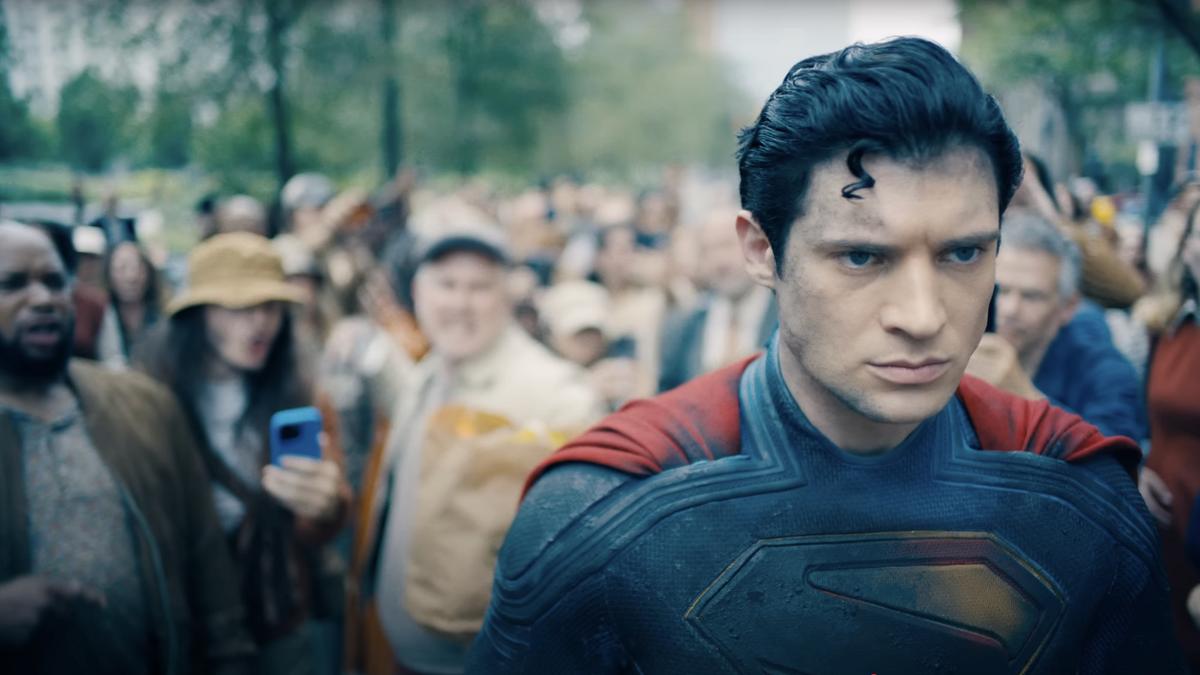
In response to the renewed negotiations, Paramount has agreed to cover a $2.8 billion break-up fee should Warner Bros decide to shift its allegiance to Netflix. Paramount aims to acquire the entirety of Warner Bros’ assets, including its cable television division, while Netflix’s interest is primarily in its studios and streaming services, which encompass popular franchises like DC, Harry Potter, and the extensive HBO library.
This shift in Warner Bros’ previously firm stance against Paramount has prompted a proactive response from Netflix. Co-chief executive Ted Sarandos recently appeared on The Town podcast, branding Paramount’s acquisition as “risky.” He described it as a “leveraged buyout” that could lead to job losses and budget cuts, emphasizing that Netflix’s acquisition would focus on enhancing the legacy studio rather than dismantling it.
Sarandos reaffirmed Netflix’s commitment to maintaining Warner Bros’ cinema-first output, proposing a 45-day theatrical window for films before they transition to streaming. He stated, “We’re buying a business model, and we’re going to continue to invest in it and grow it, not to kill it.” Additionally, he assured that Netflix would uphold a premium video-on-demand option prior to films being available on its subscription service.
Industry Reactions and Concerns
Despite Sarandos’ assurances, skepticism persists regarding Netflix’s long-term commitment to theatrical releases. Prominent director James Cameron, known for his opposition to the sale of Warner Bros to Netflix, expressed concerns in a letter to U.S. Senator Mike Lee of Utah. Cameron warned that the sale could severely impact the exhibition community, leading to job losses and potential closures of cinemas and associated service providers.
“What administrative body will take them to task if they slowly sunset their so-called commitment to theatrical releases?” Cameron questioned, highlighting the irreversible nature of such a sale.
On the podcast, Sarandos also clarified that Netflix would retain HBO as a distinct brand, allowing it to function largely as it does today, thereby maintaining its status as a premium entertainment provider.
In a strategic counter to Paramount’s renewed bid, reports from Reuters indicate that Netflix holds approximately $9.03 billion in cash and cash equivalents, giving it potential flexibility to enhance its current offer. This deal, presently financed through debt, is supported by a $42.2 billion bridge loan and new credit facilities.
As both companies vie for control of Warner Bros, regulatory approvals from authorities in the U.S. and the European Union will be essential for any potential transaction to proceed. Paramount, under the leadership of David Ellison and his father, billionaire Larry Ellison, has suggested that their bid might navigate regulatory scrutiny more smoothly than Netflix’s.
As this high-stakes battle unfolds, industry observers will be keenly watching how the negotiations develop over the coming days and what implications they may hold for the future of media ownership and distribution.
