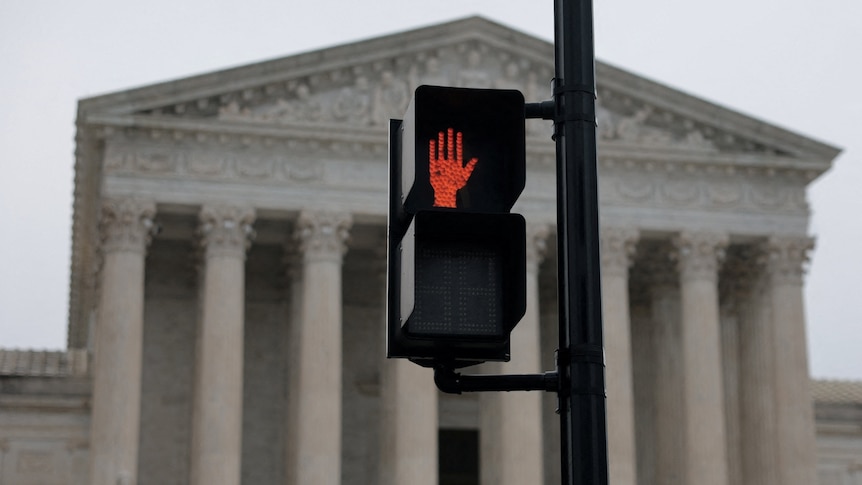
Americans concerned about the state of democracy received a significant update when the Supreme Court ruled against certain tariffs imposed by the Trump administration. This decision highlights the judicial branch’s ability to check presidential power, suggesting that even a strong leader can face limitations.
The ruling, which occurred on October 10, 2023, involved tariffs that had been implemented on various imports, a move that many argued overstepped the executive authority. The court’s unanimous decision emphasized adherence to established legal frameworks, underscoring the importance of judicial oversight in a democratic society.
Implications for Presidential Power
The court’s action reflects a critical moment in American governance. It serves as a reminder that the rule of law prevails and that no president is above judicial scrutiny. This ruling may also resonate beyond the United States, as it reinforces democratic principles that are under threat in various parts of the world.
Legal experts have noted that the ruling could set a precedent, potentially limiting future administrations from enacting policies without adequate legal justification. Justice John Roberts, who authored the majority opinion, stated, “The authority of the executive branch is not without bounds. Our constitution ensures that checks and balances are integral to our system.”
This decision arrives at a time when many Americans express concern over the integrity of their democratic institutions. According to a recent Pew Research Center survey, over 60% of respondents believe that democracy in the United States is at risk. The Supreme Court’s ruling may provide a much-needed reassurance that the checks and balances established by the framers of the Constitution remain intact.
A Shift in Political Dynamics
The ruling also has immediate implications for the political landscape as the nation approaches the 2024 presidential election. With Donald Trump still a prominent figure in American politics, this decision could influence how candidates approach their policies and rhetoric in the coming months.
Political analysts suggest that the ruling may embolden challengers to Trump’s policies, encouraging a narrative focused on accountability and adherence to democratic norms. Additionally, it may lead to increased scrutiny of future executive actions, prompting candidates to consider the legal ramifications of their proposals more carefully.
In conclusion, the Supreme Court’s recent decision not only places limits on presidential authority but also reinvigorates the conversation about the health of democracy in the United States. As citizens reflect on this ruling, it may serve as a catalyst for greater engagement and vigilance in protecting democratic values.