



































The families of individuals who died in custody in Victoria are facing significant delays in the compensation process, leaving them in a state of distress and uncertainty. After the passing of a loved one in custody, families often find themselves navigating a complex legal landscape that includes autopsies, police investigations, and potential civil lawsuits against the Victorian government. This situation has become increasingly convoluted, particularly for families seeking justice for their deceased relatives.
The independent medical panels in Victoria assess psychological and physical injuries related to these cases, determining whether a claim against the government or its entities, such as the Victorian police or public hospitals, is valid. Unfortunately, these panels are experiencing delays, with an average wait time of up to ten months for referrals related to psychological injuries. Many families are now questioning whether this lengthy process is an attempt by the government to avoid paying compensation while causing further trauma to those already grieving.
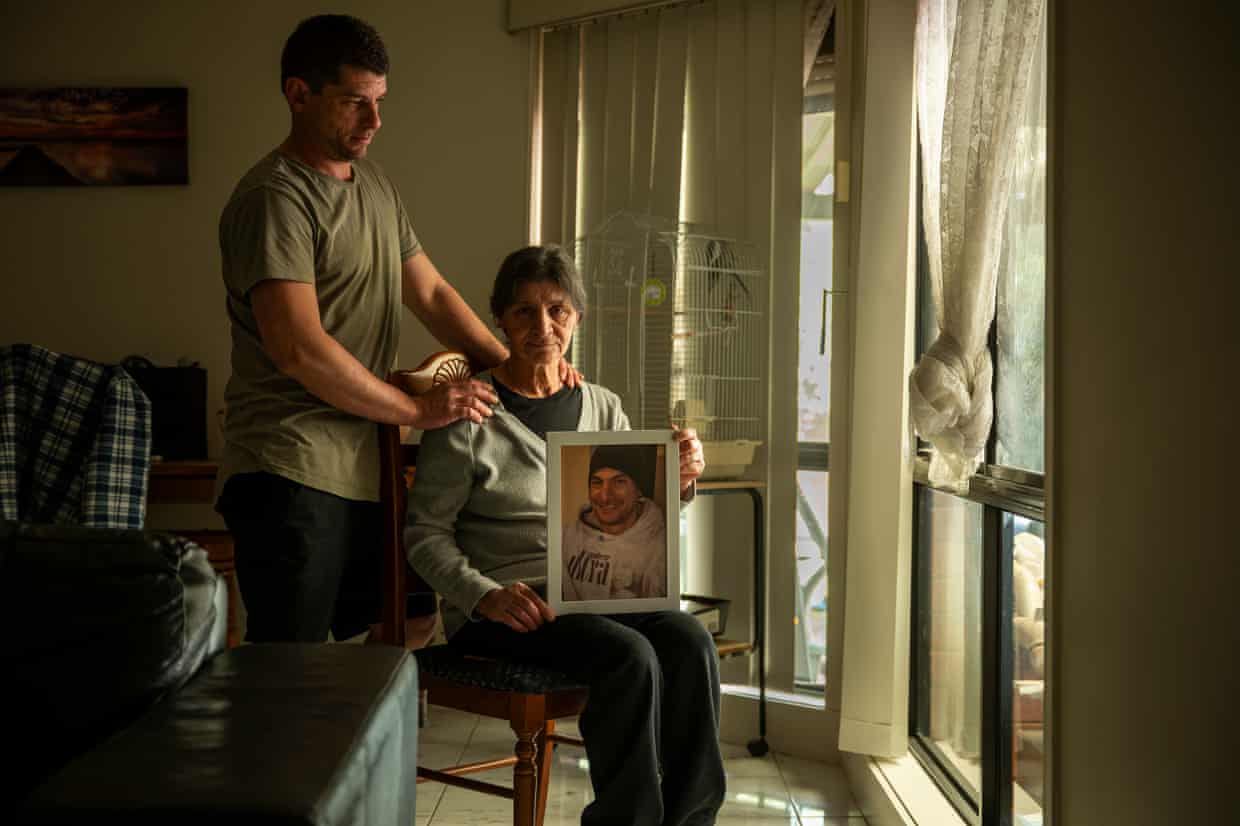
Mary Culleton, whose son Darren died in custody in 2021, expressed her frustration with the process. “Of course I want it to end,” she said, referring to the necessity of attending a medical panel hearing. Darren Culleton, 30, died after self-harming in a police van. A coroner’s inquest in 2023 deemed his death “a preventable tragedy,” highlighting failures in communication and training that contributed to the unfortunate circumstances.
The coroner, David Ryan, acknowledged the emotional toll of the inquest on the family and those involved in Darren’s care. He noted that several risks emerged while Darren was in custody, ultimately leading to his death. Ryan stated, “The hospital staff and police officers who came into contact with Darren… did not foresee that he would harm himself in the way that he did.” The inquest findings underscore systemic issues that demand urgent attention.
Recent communications, including an email dated 23 December 2025 from the medical panels, reveal that the average wait for a psychological injury referral is between nine and ten months, and between eight and ten months for physical injuries. Assoc Prof Peter Gibbons, the convener of medical panels, confirmed a significant increase in referral numbers in the past 12 to 18 months, contributing to longer wait times.
Gary Culleton, Darren’s twin brother, shared his emotional struggle with the delays. Each postponement forced him to revisit painful memories, causing his grief to resurface. “Bringing up things after such a long delay, you forget a lot of major key points,” he explained. The continuous cycle of delays between the inquest, civil case filings, and medical panel hearings has made it difficult for him and his family to find closure.
The situation is not unique to the Culleton family. Relatives of Joshua Kerr, a 32-year-old man who died of methamphetamine toxicity in Port Phillip Prison in 2022, are also facing similar challenges. During his last moments, Kerr pleaded for help through an intercom but received no assistance until it was too late. Coroner David Ryan, who also presided over Kerr’s inquest, found that the death was preventable due to failures in communication among correctional and medical staff.
Aunty Donnas Kerr, Josh’s mother, is among six family members referred to the medical panel, which includes his two children, who were just 12 and 15 at the time of his death. Jeremy King, a lawyer representing both the Culletons and the Kerr family, criticized the system for its approach to referrals. He stated that defendants often refer all claimants indiscriminately, including vulnerable individuals, as a means to reduce the potential compensation payout.
Despite the pressing concerns raised by families and legal representatives, the medical panels have not responded to inquiries about the number of referrals, the reasons behind the increased delays, and how they aim to minimize the emotional toll on family members. A spokesperson for the Victorian government acknowledged the challenges faced by injured claimants and stated that efforts are underway to expedite the process. This includes recruiting additional specialists and increasing the number of panel hearings held each week.
As families continue to navigate this complex and often distressing system, the need for reform has never been more urgent. Access to timely hearings and support for those affected by such tragedies is essential in ensuring that justice is served without further exacerbating the pain of loss. For immediate support, individuals in Australia can reach out to crisis services such as Lifeline at 13 11 14 or the Indigenous crisis hotline at 13 YARN, 13 92 76.
