



































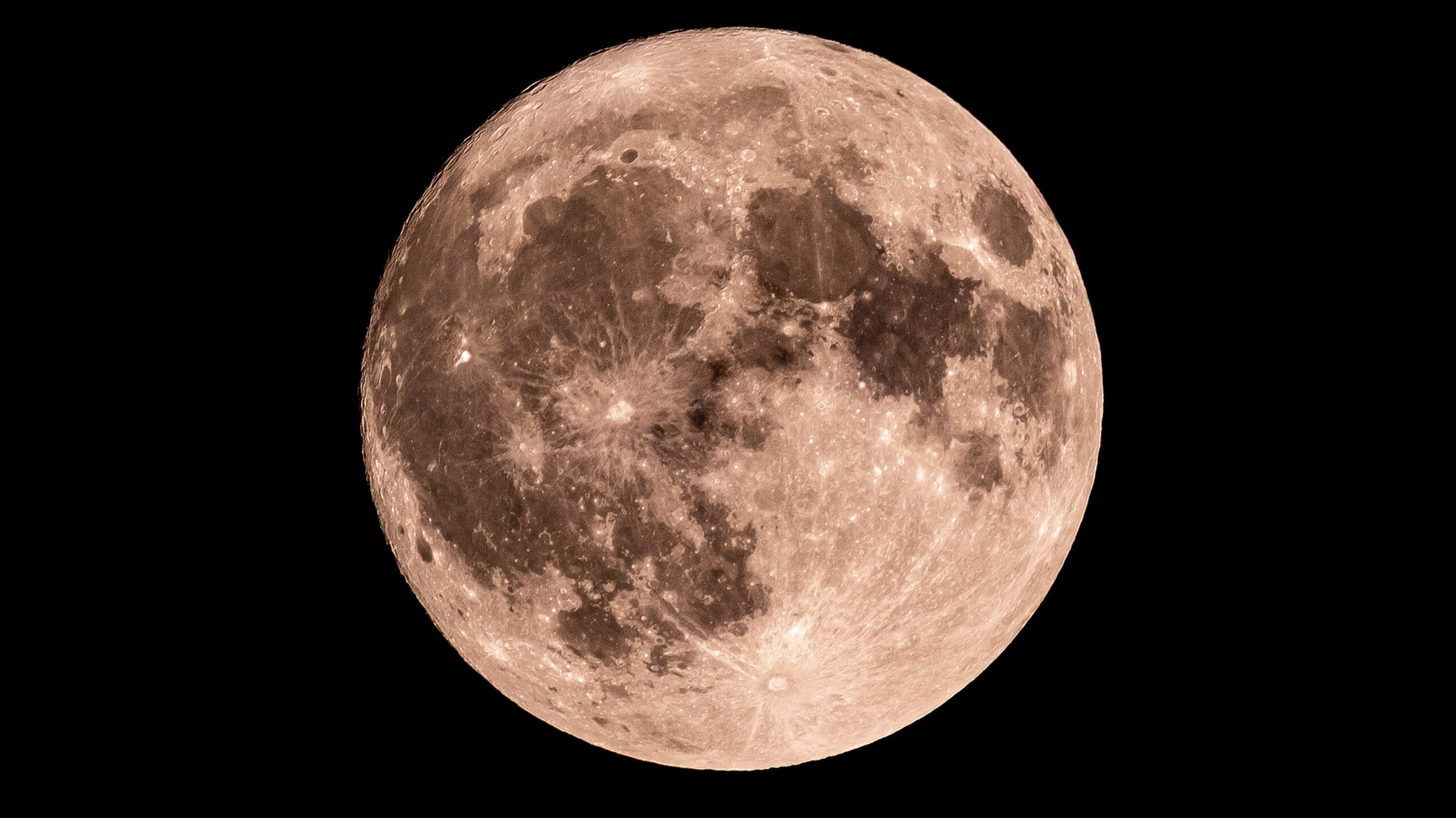
The Moon will appear as a Waning Gibbous tonight, March 7, 2024, with approximately 85% of its surface illuminated. This phase occurs after the Full Moon, as the Moon moves further along its lunar cycle. Visibility will allow observers to see notable features on the lunar surface, including the Aristarchus Plateau, Kepler Crater, and Tycho Crater without any optical aid.
For those equipped with binoculars, additional lunar landmarks such as the Grimaldi Basin, Gassendi Crater, and the Apennine Mountains become visible. A telescope will enhance the view further, providing detailed sights of the Apollo 11 landing site and the Fra Mauro Highlands.
Understanding Moon Phases
The lunar cycle comprises eight distinct phases that unfold over approximately 29.5 days. As the Moon orbits Earth, different portions are illuminated by sunlight, causing variations in its appearance. Despite always showing the same face towards Earth, the visible light changes, resulting in phases that range from a New Moon—when the Moon is not visible—to a Full Moon, when it is entirely illuminated.
The eight phases of the Moon are as follows:
– **New Moon**: The Moon is positioned between Earth and the Sun, rendering it invisible to observers.
– **Waxing Crescent**: A small sliver of light becomes visible on the right side.
– **First Quarter**: Half of the Moon is illuminated, appearing as a half-Moon.
– **Waxing Gibbous**: More than half of the Moon is lit, but it is not yet full.
– **Full Moon**: The entire face of the Moon is visible and fully illuminated.
– **Waning Gibbous**: Light begins to diminish on the right side.
– **Third Quarter**: Another half-Moon appears, but now the left side is illuminated.
– **Waning Crescent**: A thin sliver of light remains on the left side before the Moon returns to darkness.
Upcoming Lunar Events
For enthusiasts eager to catch the next Full Moon, it is predicted to occur on April 1, 2024. Observing the Moon offers more than just a visual spectacle; it connects people to the rhythms of nature and the cosmos.
Whether viewed through the naked eye, binoculars, or a telescope, tonight’s Waning Gibbous Moon serves as a reminder of the beauty and complexity of our celestial neighbor.
