



































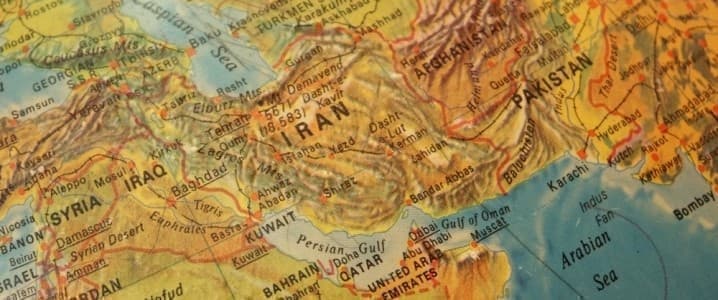
The oil market is experiencing an unprecedented disruption, with the International Energy Agency (IEA) estimating that at least 10 million barrels per day (bpd) of oil supply has been shut in. This situation marks the largest supply shock the market has ever faced. Refineries throughout the Gulf region are scaling back operations due to the inability to export products, resulting in a significant tightening of markets for diesel, jet fuel, and liquefied petroleum gas (LPG).
In an effort to mitigate the crisis, governments have initiated a record release of 400 million barrels from strategic reserves. However, these reserves will not provide immediate relief, as the barrels will be delivered slowly while the disruption persists. The complexities of the situation are further compounded by mixed signals from Tehran. Iranian diplomats have stated that the country does not plan to close the Gulf of Hormuz, a critical maritime passage for oil shipments. Conversely, the new supreme leader has suggested that the waterway could remain shut as leverage against the United States and its allies.
Geopolitical Uncertainty and Market Pressures
The blockage of the Hormuz Strait is effectively impacting global oil supply, leading to severe pressure on the market until tanker movement can resume safely. The uncertainty surrounding Iran’s leadership structure has intensified following the death of Ayatollah Ali Khamenei. Traditionally, the Supreme Leader has acted as a central figure mediating between various clerical institutions, security forces, and political factions. With Khamenei’s passing, the Iranian state is now navigating a landscape characterized by overlapping centers of power that have yet to establish a unified direction.
Contradictions have become prevalent in Tehran’s political discourse. President Masoud Pezeshkian has indicated a potential reduction in attacks on Gulf states, contingent upon those nations not allowing their airspace to be used for U.S. military strikes. This statement highlights the delicate balance Iran seeks to maintain amid heightened tensions.
The implications of these developments extend beyond oil markets. The global economy, already grappling with supply chain disruptions, faces additional challenges as energy prices fluctuate in response to geopolitical tensions. As the situation evolves, the international community is closely monitoring Iran’s next moves, which could have far-reaching consequences for both the oil industry and regional stability.
In summary, the ongoing disruption in the oil market, exacerbated by political uncertainty in Iran, presents a complex challenge for stakeholders across the globe. The interplay of supply constraints, geopolitical maneuvers, and economic considerations will be critical in shaping the future of the oil market in the coming weeks and months.
