



































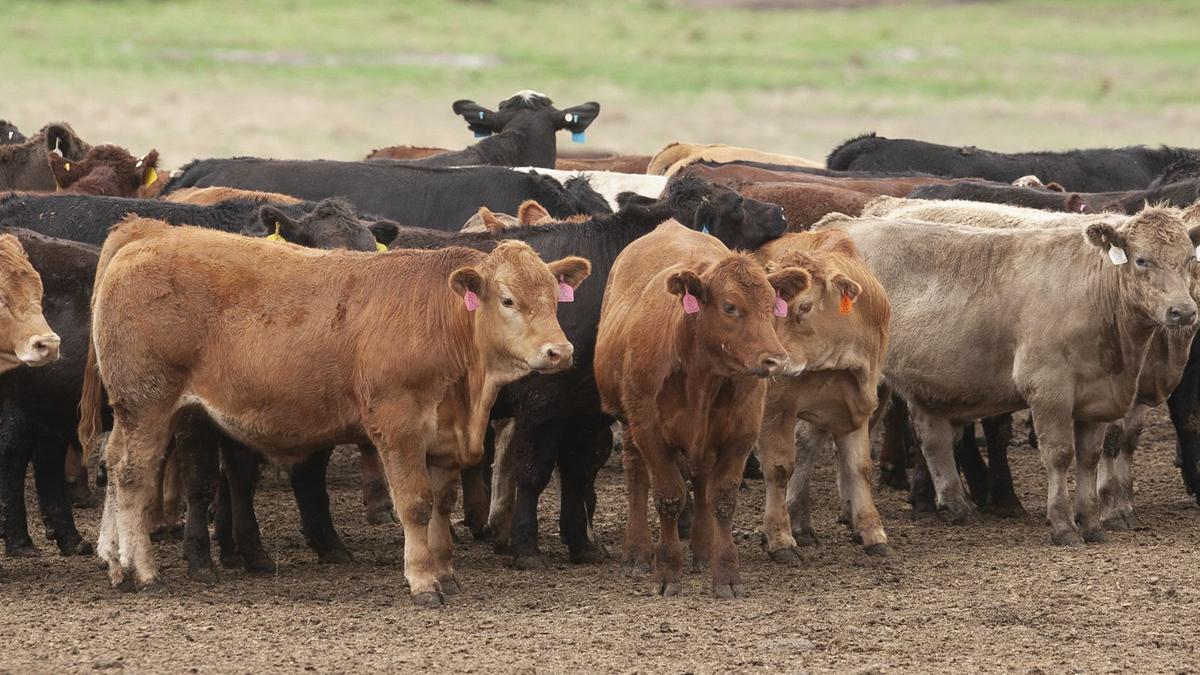
Australia’s beef exporters are grappling with significant new trade restrictions from China, effective January 1, 2026. The Chinese government has announced that it will impose an annual cap of 205,000 tonnes on foreign beef imports, with shipments exceeding this limit subject to a hefty 55 percent tax. This decision comes as a considerable setback for an industry that had recently celebrated a record year, with exports projected to reach 1.5 million tonnes in 2025.
The Australian Meat Industry Council estimates that the new measures could cost the local beef sector approximately $1 billion annually. This news arrives as Australian exporters were hoping for a smoother transition into the new year after a tumultuous 2025. The restrictions also pose a challenge given that China accounts for 17 percent of Australia’s total beef exports, translating to around 243,061 tonnes last year.
China’s Commerce Ministry has stated that these new import quotas are “safeguard measures” intended to protect its domestic beef producers. The Ministry highlighted concerns that the influx of imported beef has “seriously damaged” China’s local industry. These quotas are set to remain in place for three years, during which time they are expected to be gradually relaxed.
Political and Economic Context
In response to the new trade barriers, Australian Prime Minister Anthony Albanese emphasized that Australia had not been singled out, noting that the restrictions apply broadly to all foreign beef suppliers. “Australian beef is, in my view, proudly the best in the world,” Mr. Albanese remarked. He expressed confidence in the ongoing demand for Australian products on the global market.
Albanese’s administration has made significant strides in normalizing relations with China, Australia’s most important trading partner. Over the past year, punitive tariffs on Australian exports, including wine, barley, and lobsters, have been lifted, signaling a thaw in diplomatic relations. Following a six-day visit to China in July 2025, Albanese and President Xi Jinping discussed the “mutual respect” that defines their nations’ relationship.
“Our economic prosperity is closely linked to our relationship with China,” Albanese stated. He reiterated the importance of maintaining respect in international relations, suggesting that such respect yields reciprocal benefits.
The new trade restrictions come at a time when the United States, another significant market for Australian beef, has imposed a 10 percent tariff on imports. Despite this, American demand has remained strong due to a declining domestic beef herd, leaving U.S. consumers reliant on Australian beef.
As Australia navigates these complex trade dynamics, the government must continue to advocate for its agricultural sector while ensuring that diplomatic relations with China remain constructive. The resolution of these challenges will be crucial for the future of Australia’s beef industry and its broader economic landscape.
