



































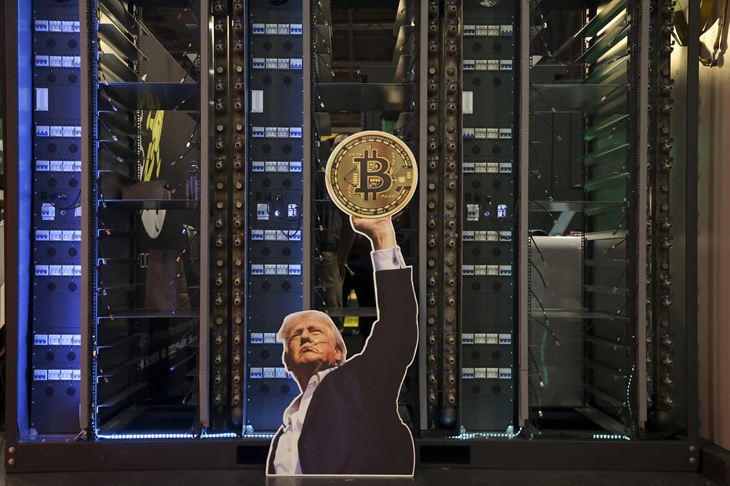
The cryptocurrency market has experienced a significant downturn, with Bitcoin stabilizing around USD $70,000 after a historic decline of $10,000 in a single day. This drop marks a staggering loss of over 50 percent in just four months, leading many to question the future viability of cryptocurrencies. The Crypto Fear and Greed Index has reached its lowest level since its inception, signaling a dramatic shift in market sentiment.
Historically, proponents of Bitcoin have touted its potential as “digital gold” and a decentralized alternative to traditional currencies. However, the once-vibrant discourse surrounding these digital assets has quieted, leaving countless investors watching their savings diminish. The prevailing advice among cryptocurrency enthusiasts remains to “buy the dip,” yet skepticism is growing regarding Bitcoin’s cyclical nature.
Market Dynamics Shift as Confidence Wanes
Several critical factors suggest that this crypto winter could be more permanent than previous downturns. Bitcoin has struggled to serve as a reliable medium of exchange. Its transaction speeds are slow, fees can be high during periods of congestion, and its extreme volatility makes it unsuitable for everyday purchases. As a result, fewer people are using Bitcoin for transactions, further undermining its intended purpose.
Instead of acting as a hedge against market volatility, Bitcoin has mirrored traditional risk assets. It has declined alongside broader market liquidity, failing to provide the stability that many investors once anticipated. While concerns over the future of the US dollar and potential dedollarization loom large, investors seem to be gravitating toward gold—a traditional safe haven—rather than Bitcoin. Over the past year, gold has surged by 70 percent, while Bitcoin has fallen by 34 percent.
The Rise of Competition and Changing Sentiments
Another significant challenge facing Bitcoin is its loss of novelty. The introduction of exchange-traded funds (ETFs) has lowered barriers to entry for investors, rendering the market less exclusive. Once viewed as a frontier for early adopters, Bitcoin now feels mainstream, diminishing its allure.
The regulatory environment has also shifted, with fewer opportunities for favorable developments that could propel Bitcoin’s price. The fervor surrounding its previous “halving” events has dissipated, replaced by a stark reality of declining values. As new technologies emerge, particularly in the field of artificial intelligence, the focus of investors is shifting. The energy demands of AI data centers are overshadowing Bitcoin mining, drawing investment away from cryptocurrency and toward sectors with clearer financial returns.
The fallout from this market downturn has affected companies heavily invested in Bitcoin. One notable casualty is a CEO who previously claimed that no one had lost money in Bitcoin. Currently, their company is reporting a staggering loss of $7.3 billion on its Bitcoin investments. Many companies that once supported Bitcoin’s price by acting as steady buyers are now finding themselves in perilous positions, potentially becoming forced sellers.
Ultimately, Bitcoin’s reliance on speculative buying has become increasingly evident. The notion that there will always be a marginal buyer willing to pay more is increasingly challenged. The remaining arguments for purchasing Bitcoin appear to be based on hope rather than fundamental value, raising questions about the sustainability of the market.
For many, Bitcoin has transformed from a revolutionary concept into a speculative gamble. As the cryptocurrency landscape evolves, investors must confront the reality that the future of Bitcoin may not be as bright as once envisioned. The crypto casino remains open, but players should approach with caution, as the stakes have never been higher.
